

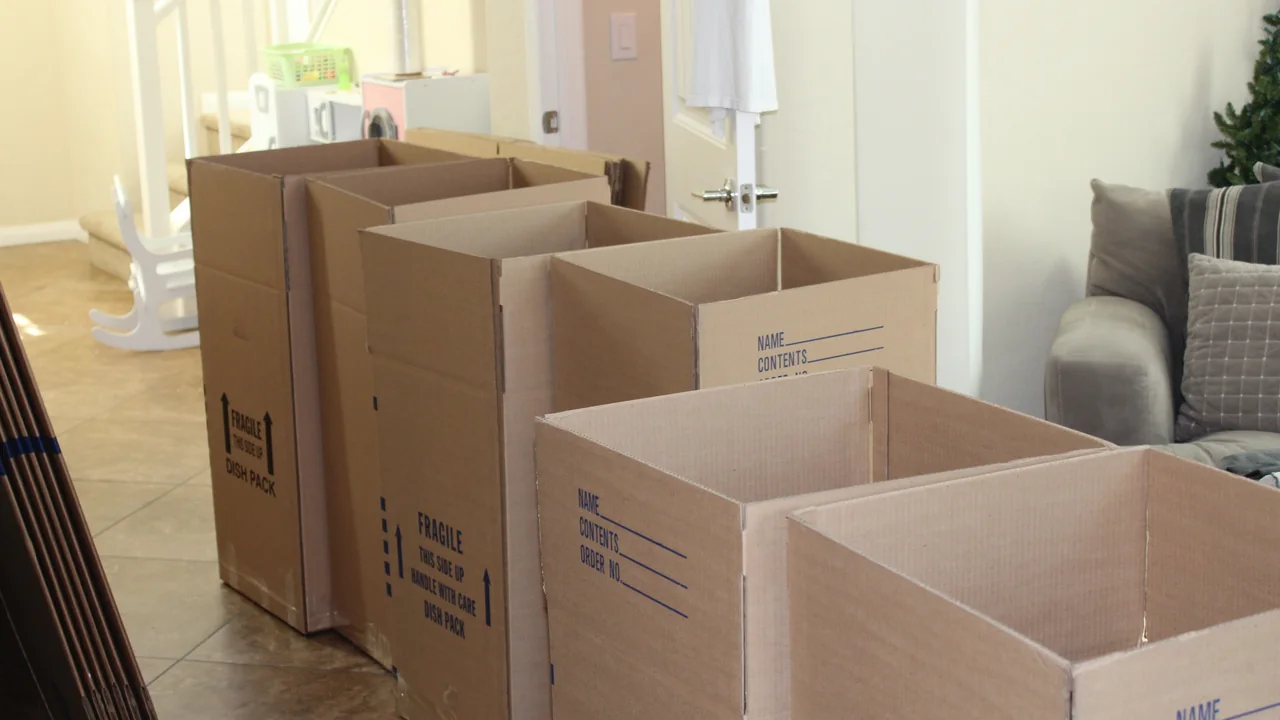
Dubai move-out costs usually arrive in the last week of a tenancy, when the landlord or the agent sends a list of deductions for cleaning, pest control or repainting before the security deposit is released. Some of those charges are fair. Others are added out of habit, and tenants pay them because they don’t know they can push back.
Whether you owe these Dubai move-out costs depends on three things: what your tenancy contract says, the state of the flat when you got the keys, and whether the problem is real damage or normal wear from living there. For families already watching the cost of living in Dubai, a few thousand dirhams held back from a deposit is not a small thing, so it pays to know the rules before handover day.
What Dubai Rental Law Says About Move-Out Costs
Rentals in Dubai are governed by Law No. 26 of 2007 (amended by Law No. 33 of 2008). Five articles matter when you hand back a property:
- Article 16: unless the contract says otherwise, the landlord is responsible for maintenance and for repairing defects that affect your use of the home during the lease.
- Article 17: the landlord carries the cost of defects, damage and wear and tear that are not caused by the tenant’s fault.
- Article 19: the tenant must look after the property the way an ordinary person looks after their own home, and cannot make changes or do works without the landlord’s permission and any required permits.
- Article 20: the landlord may take a security deposit, but must refund it, or whatever remains of it, when the contract ends.
- Article 21: the tenant returns the property in the condition it was received, except for ordinary wear and tear or damage beyond the tenant’s control. Disagreements go to the rental tribunal.
Put simply, the law protects the landlord against damage and neglect, not against the passing of time. That one idea settles most arguments about Dubai move-out costs.
Wear and Tear or Damage: Where the Line Sits
Most people in Dubai rent for years, and a home that has been lived in will show it. That is part of everyday life in Dubai, and the law accepts it. Slightly faded paint, light scuffs near light switches, small nail holes from a few picture frames and worn grout are usually treated as normal wear. Large holes, crayon or smoke stains, a wall painted a new colour without permission, broken fittings and burns on the countertop are usually treated as damage.
Length of stay matters too. A wall that looks tired after four years is a different case from a wall ruined after eight months.
Dubai Move-Out Costs at a Glance
| Charge | Tenant usually pays when | Landlord usually covers when | Proof to ask for |
|---|---|---|---|
| Cleaning | The contract requires professional cleaning, or the flat is left clearly dirty | The flat is returned clean and tidy, and the charge is a flat “standard fee” | Move-out photos, invoice from the cleaning company |
| Pest control | The problem comes from poor hygiene or neglect during the tenancy | Pests come from the building, shared areas, drains or were there before you moved in | Inspection report, pest company findings, building history |
| Repainting | Walls are marked, stained, holed or repainted without consent, or the contract asks for repainting | Paint has simply aged over a long tenancy | Move-in and move-out photos, painter’s quote with areas listed |
| Holes and fixtures | Fittings are broken or holes are larger than normal hanging marks | Items failed through age or normal use | Itemised repair list with prices |
| AC servicing | The contract makes the tenant responsible for routine AC servicing | Major repairs or replacement of AC units | Contract clause, service records |
Can a Landlord Charge for Cleaning?
Yes, but not automatically. A landlord or agency can ask for cleaning costs if the contract clearly asks for professional cleaning before handover, or if the flat is returned in a state that goes beyond everyday use. A fixed “cleaning fee” charged to every outgoing tenant, whatever the condition of the home, is much harder to justify.
Before you agree to anything, check whether cleaning is written into the contract, whether a move-in condition report exists, and whether the landlord can show photos or an invoice. If you leave the flat clean, keep dated photos of every room as proof.
Can Tenants Be Charged for Pest Control?
It depends on the cause. If cockroaches or bed bugs appeared because of poor hygiene during your tenancy, the landlord has a reasonable case. If the problem comes from the building, shared corridors, drains, a neighbouring unit or an infestation that was already there, you have good grounds to refuse. Ask for the inspection findings in writing before paying.
Can a Landlord Deduct Repainting Costs?
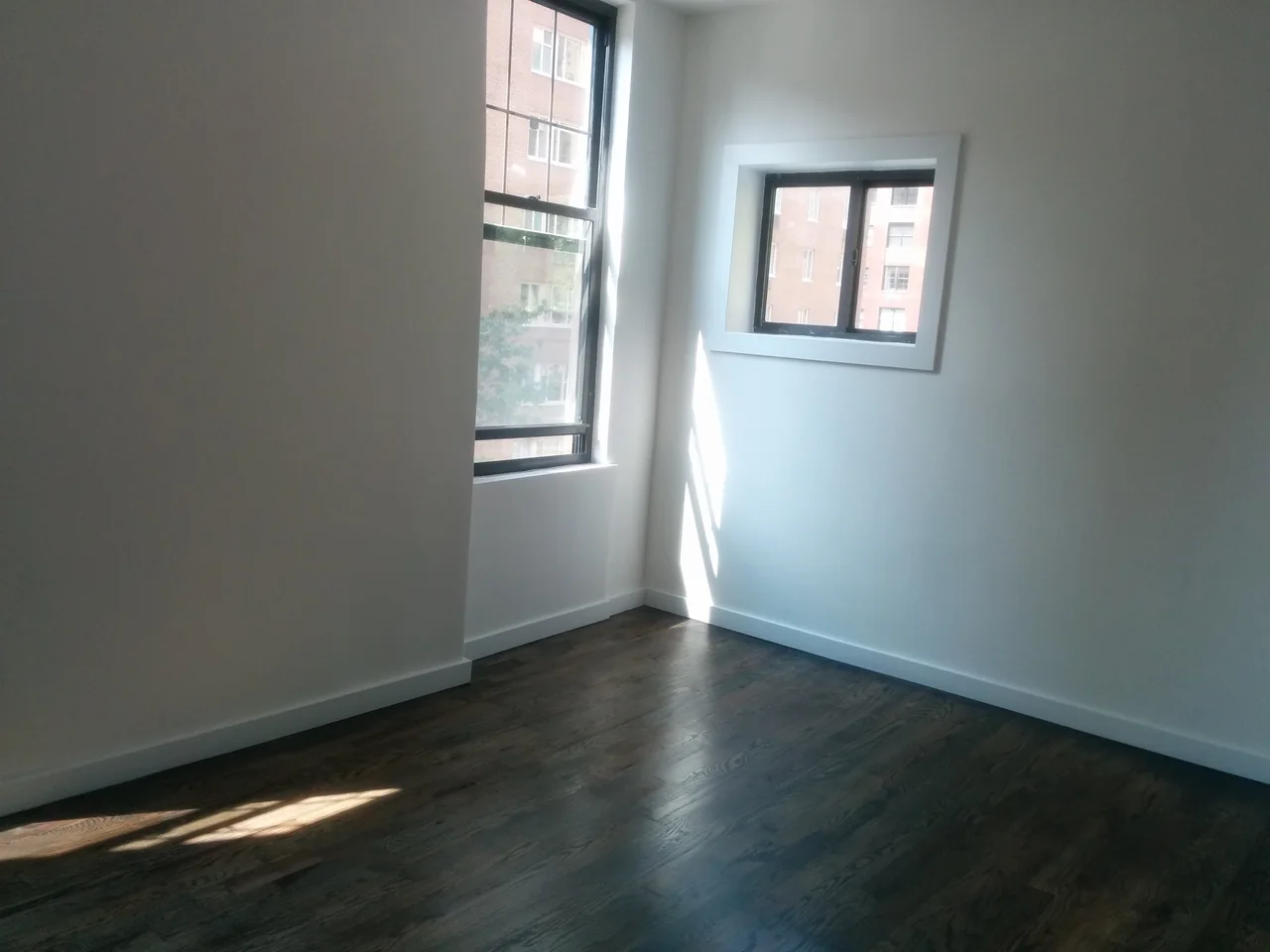
Repainting is the most common argument at handover and often the biggest line in Dubai move-out costs. A landlord can usually claim it where walls are damaged beyond normal use: heavy stains, many or large holes, colours changed without consent, or damage from water or smoke caused by the tenant. A clear clause asking you to return the flat freshly painted also supports the charge.
Paint that has faded naturally over several years is a different matter. If the landlord wants to repaint the whole unit after a long tenancy, it is reasonable to ask why that cost should fall on you rather than being part of normal upkeep. Ask for a quote that lists the rooms and walls involved, not a single lump sum.
How the Security Deposit Works in Dubai
The law does not set a fixed deposit amount. In practice, many landlords ask for around 5% of the annual rent for an unfurnished home and about 10% for a furnished one. Under Article 20, the deposit belongs to the tenant at the end of the lease, minus valid deductions.
That means a landlord cannot simply keep the full amount without explanation. If deductions are made, you can ask for:
- a list of the work done and why it was needed
- the reason you are being held responsible
- the amount for each item
- invoices, quotes or inspection photos
Checklist to Keep Dubai Move-Out Costs Down
- Read your contract for clauses on cleaning, painting, AC servicing and the notice period for leaving.
- Find your move-in photos or condition report. If you have none, gather any old messages about defects you reported.
- Fix small things you caused, such as filling picture holes, if the contract allows it.
- Ask for a joint inspection with the landlord or agent and request a written report.
- Take dated photos and a walk-through video of every room on the day you leave.
- Request the DEWA move-out. The disconnection fee for a standard home is AED 125 plus AED 20 in small fees, the final bill arrives within 24 working hours, and the DEWA deposit is set against it with any balance refunded. Settle any district cooling or gas accounts too.
- Make sure the Ejari tenancy contract is cancelled through the Dubai Land Department, so you can register your next lease.
- Get the deposit refund, or the list of deductions, in writing.
If cash flow is tight while you move, some landlords now accept monthly or quarterly payments under the Flexi Rent scheme, which can ease the overlap between paying a new rent and waiting for an old deposit.

How to Dispute Unfair Dubai Move-Out Costs
Most disputes over Dubai move-out costs are settled without a case. Start in writing. Ask the landlord or agency for the invoices, the inspection report, before-and-after photos and the contract clause behind each deduction. Keep emails and WhatsApp messages: the Rental Disputes Centre says such messages can be used as evidence when both sides acknowledge them in the case record.
If talking fails, you can file a claim with the Rental Disputes Centre (RDC) at the Dubai Land Department. The RDC says tenants can recover a security deposit by submitting a payment writ. For a money claim, the filing fee is 3.5% of the amount claimed, with a minimum of AED 500 and a maximum of AED 15,000, plus small service fees. If the case is settled at the conciliation stage, half of the filing fee is refunded.
Weigh the numbers first. If the disputed deduction is AED 600, a minimum fee of AED 500 makes a formal case hard to justify, and a firm written request often works better. For larger amounts, a well-documented claim is worth the effort.
Rents have climbed with the Dubai property market, and deposits have grown with them, which is one more reason to keep your paperwork in order from day one.
Quick Summary for Tenants
- Normal wear and tear is the landlord’s cost under Dubai rental law, so it should not appear in your Dubai move-out costs.
- Cleaning, pest control and repainting can be charged when there is real damage, neglect or a clear contract clause.
- Every deduction should come with evidence and an amount you can check.
- Photos at move-in and move-out are your strongest protection.
- The RDC handles deposit disputes, with fees starting at AED 500.
This article is general information, not legal advice. For a specific dispute, check your contract and speak to the RDC or a lawyer.