
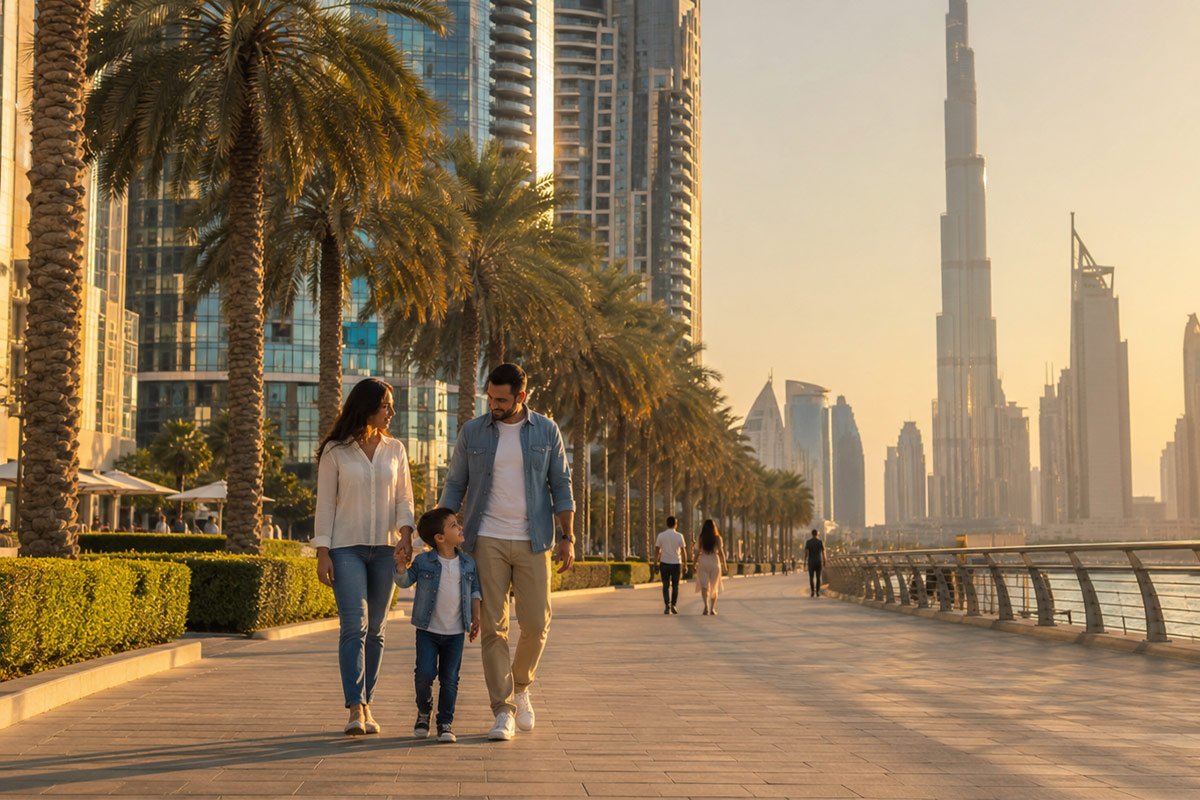
When people think about Dubai, they usually imagine one thing: endless luxury, gold vending machines, supercars, and impossible skyscrapers. And yes, some of that is true. But the real Dubai is far more complex, far more practical, and in many ways far more surprising than the Instagram version.
Dubai is not only a city of luxury hotels and record-breaking towers. It is also a city of workers, families, entrepreneurs, students, long-term residents, and people trying to build a better life. That is why many common ideas about Dubai are only partly true. Here are five of the biggest myths about Dubai that many people still believe, and why the truth might completely change your perspective.
Why Dubai Is Often Misunderstood
Dubai is one of the most visible cities in the world, but it is also one of the most misunderstood. The city is often judged from the outside through social media, travel videos, luxury branding, and short tourist visits. That creates a very narrow image. Many people see the supercars, malls, beach clubs, luxury restaurants, and skyline, then assume that this is the whole story. But life in Dubai is more layered than that. The city has different realities depending on where you live, how much you earn, what kind of work you do, and how long you stay.
For some people, Dubai is a luxury playground. For others, it is a place to build a business, save money, raise children, invest in property, or restart their life. That is why the real Dubai is not fully explained by myths, stereotypes, or Instagram posts.
Myth 1: “Dubai Is Only for the Rich”
This is probably the biggest myth about Dubai. Yes, Dubai has some of the most expensive real estate, restaurants, hotels, and luxury experiences in the world. Areas like Palm Jumeirah, Downtown Dubai, Emirates Hills, and Dubai Marina are often associated with wealth, high-end living, and millionaire lifestyles.
But that is only one layer of the city. Dubai is actually built on multiple economic realities at once. A person can spend AED 1,500 on dinner in one neighborhood and AED 15 in another neighborhood just ten minutes away. Someone can rent a luxury penthouse for AED 250,000 a month, while another person can share an apartment for AED 2,500. That contrast is not unusual in Dubai. It is part of how the city works.
The Truth: Dubai Is Not Only Expensive, It Is Scalable
The important point is that Dubai is not simply “cheap” or “expensive.” It is scalable. Your lifestyle in Dubai depends heavily on your income, neighborhood, habits, transport choices, school choices, dining habits, and housing decisions. That is why understanding the real cost of living in Dubai is essential before judging whether the city is affordable or not. You can live a luxury lifestyle in Dubai very easily if you have the budget. But you can also live a practical, controlled, middle-class lifestyle if you make careful decisions.
This is one of Dubai’s hidden strengths. The city allows different financial lifestyles to exist side by side. Dubai can be expensive, but it does not force everyone to live the same way.
Why This Surprises Many Expats
Many new arrivals are surprised by how much control they have over their cost of living. The same city that offers luxury beach clubs and fine dining also offers affordable cafeterias, shared housing, budget supermarkets, public transport, and practical residential communities.
The real difference often comes down to lifestyle choices. For some middle-class expats, Dubai can even become a place where they save more money than they did in Europe or other high-tax markets. This is not because everything is cheap. It is because income tax can change the financial equation dramatically.
The surprise: many middle-class expats save more money in Dubai than they did in Europe, because tax changes everything.
Myth 2: “Nobody Actually Lives in Dubai Long-Term”
A lot of people still think Dubai is temporary. A place to stay for two years, make money, and leave. That may have been true for many expats in the past. Dubai was once seen mainly as a transit city: a place for career acceleration, tax-free income, and short-term opportunity.
But that image is outdated. Today, Dubai has evolved into a long-term migration city. People build families here, raise children, buy property, build businesses, and plan their futures around the UAE.
The Truth: Dubai Has Become a Long-Term Life Hub
Dubai has moved from being only a transit hub to becoming a life hub. This shift is visible in many ways: more families are staying longer, more people are buying homes, more entrepreneurs are building companies, and more residents are thinking about Dubai as a permanent base. For families with children, comparing the best schools in Dubai often becomes a major part of that long-term decision.
Government reforms, residency changes, long-term visa options, and a stronger property market have all supported this shift. Dubai is no longer only a place where people arrive temporarily for work. For many residents, it has become a place to build a life.
This changes how people think about the city. When people stay longer, they invest more emotionally and financially. They care more about schools, neighborhoods, mortgages, communities, healthcare, and long-term security. For many new residents, learning how to open a bank account in Dubai becomes one of the first practical steps toward building a stable life in the city
Why People Stay Longer Than They Planned
One of the most interesting things about Dubai is how often people stay longer than expected. Many expats arrive with a two-year plan, but remain for five, ten, or even more years.
Dubai has a strange effect on people. It starts as a career move, then becomes a routine. It starts as an opportunity, then becomes a lifestyle. It starts as a plan, then becomes home. This is one of the least understood parts of life in Dubai. The surprise: many expats who planned to stay for two years are still in Dubai ten years later.
Myth 3: “Dubai Has No Culture”
This myth usually comes from tourists. They visit malls, hotels, beach clubs, and modern attractions, then assume that Dubai has no real culture. To them, the city looks too new, too polished, too commercial, or too international.
But this misses the point. Dubai’s culture is not absent. It is layered. The traditional side of the city still exists in places like Al Fahidi Historical Neighbourhood, Dubai Creek, old souks, traditional Emirati restaurants, and heritage spaces. These areas show a different side of Dubai, one connected to trade, seafaring, pearl diving, local history, and regional identity.
The Truth: Dubai’s Culture Is Layered and Multicultural
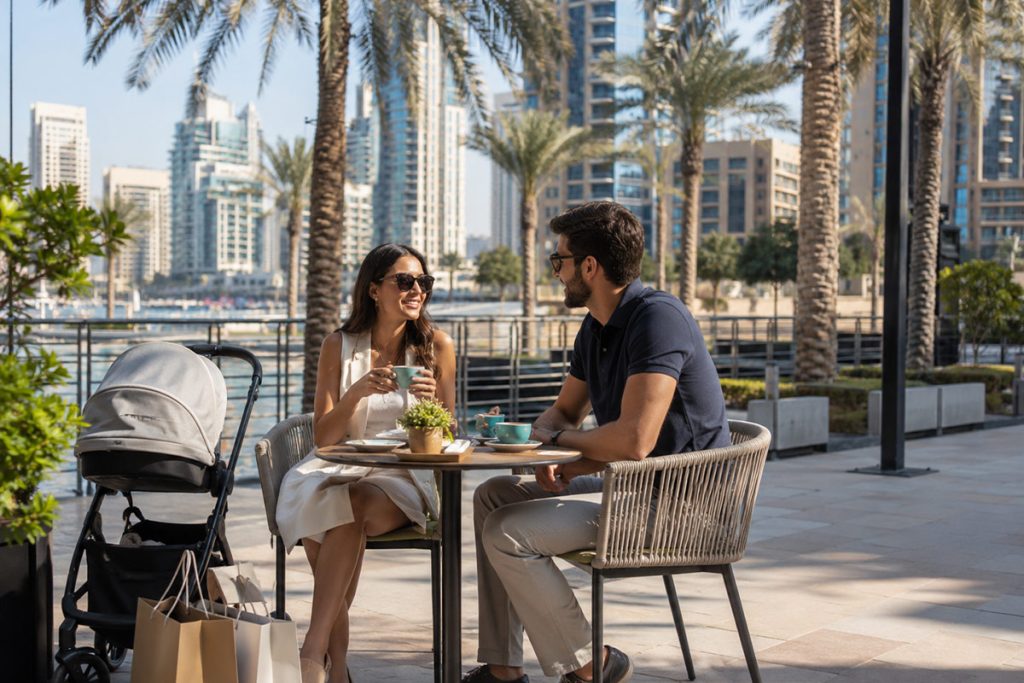
Dubai’s deeper cultural reality is not only historical. It is also multicultural. More than 200 nationalities live in one city, and that creates something unusual: a living global experiment. Dubai’s culture is built from Emirati roots, Arab identity, South Asian influence, European professionals, African communities, Filipino workers, Iranian traders, and many other groups.
This mix is not accidental. It is part of the city’s identity. In Dubai, you can have breakfast from Lebanon, lunch from India, dinner from Japan, and end the night at a Latin jazz bar. That is culture too. It is just not always the traditional kind people expect.
Why Tourists Often Miss This Side of Dubai
Tourists often experience Dubai through a narrow path: airport, hotel, mall, beach, restaurant, attraction, and back to the hotel. That version of Dubai is real, but incomplete. The deeper cultural experience appears when you explore older neighborhoods, local food, small businesses, religious diversity, community life, and the everyday rhythm of residents from different backgrounds. Dubai does not have only one cultural layer. It has many. The surprise: Dubai’s real culture is not only heritage. It is multiculturalism itself.
Myth 4: “You Need Connections to Succeed in Dubai”
Connections help everywhere. That is true in Dubai, London, New York, Singapore, and almost any major city. But the idea that you can only succeed in Dubai if you already know the right people is misleading. Dubai is unusually execution-driven compared to many markets. Speed matters. Results matter. Efficiency matters. If you can sell, build, market, code, design, negotiate, advise, or solve real problems, Dubai can reward you quickly. That does not mean success is easy. But it does mean momentum is possible.
The Truth: Dubai Rewards Execution
Dubai rewards people who can deliver. A good salesperson, marketer, developer, broker, lawyer, consultant, content creator, or entrepreneur can grow quickly if they understand the market and execute well.
This is because Dubai is a fast-moving city. Businesses are launched quickly, property deals move quickly, new services appear quickly, and people are often open to new opportunities. In slower markets, reputation and history may matter more. In Dubai, execution can sometimes matter more than background. That is why startups, freelancers, agencies, and service businesses can grow fast in the city.
Why Dubai Can Be Powerful for Newcomers
Dubai is one of the few cities where someone can arrive unknown and build serious momentum within 12 months. This does not happen automatically. It requires skill, discipline, networking, consistency, and market awareness.
But the possibility is real. For ambitious people, that possibility is powerful. Dubai gives newcomers a sense that they can move quickly if they are useful, visible, and consistent. The surprise: in Dubai, being unknown is not always a disadvantage if you can execute fast.
Myth 5: “Dubai Is Fake”
People often say Dubai feels artificial, manufactured, too polished, or too commercial. In some ways, they understand the surface. Dubai is carefully designed. It is planned, branded, engineered, and built with ambition. The city does not hide its desire to grow, attract capital, create opportunity, and become globally relevant.
But calling Dubai “fake” misunderstands what Dubai is. Dubai is one of the most direct cities in the world about its purpose. It does not pretend to be an ancient European capital or a naturally developed old city. It openly says: we are building the future, we are building business, and we are building opportunity.
The Truth: Dubai Is a City Being Built in Real Time
Unlike older cities shaped mainly by centuries of history, Dubai is a city being built in real time. That can feel artificial to some people, especially those who expect cities to grow slowly and organically. But it can also feel exciting. In Dubai, you are watching a city continuously build itself. New districts, new towers, new transport links, new business zones, new communities, and new cultural spaces are constantly appearing. This gives Dubai a different kind of energy. It may not feel like an old city. But it feels like a future city.
Why Dubai’s Transparency Is Part of Its Appeal
Dubai is unusually honest about what it wants to be. It wants to be a business hub, a tourism hub, a global city, a real estate magnet, a logistics center, and a place where people come to build opportunity.
That transparency can feel refreshing. Dubai does not pretend that ambition is accidental. It puts ambition at the center of its identity. The surprise: Dubai is not fake because it is built. It is honest about being built.
The Real Truth About Dubai
Dubai is not paradise. And it is not a scam. It is not only luxury, and it is not only business. It is a city of contradictions, and that is exactly what makes it fascinating.
Dubai is:
- Luxury and hustle
- Tradition and futurism
- Temporary visitors and permanent dreamers
- Global ambition and daily practicality
- Instagram fantasy and real-life discipline
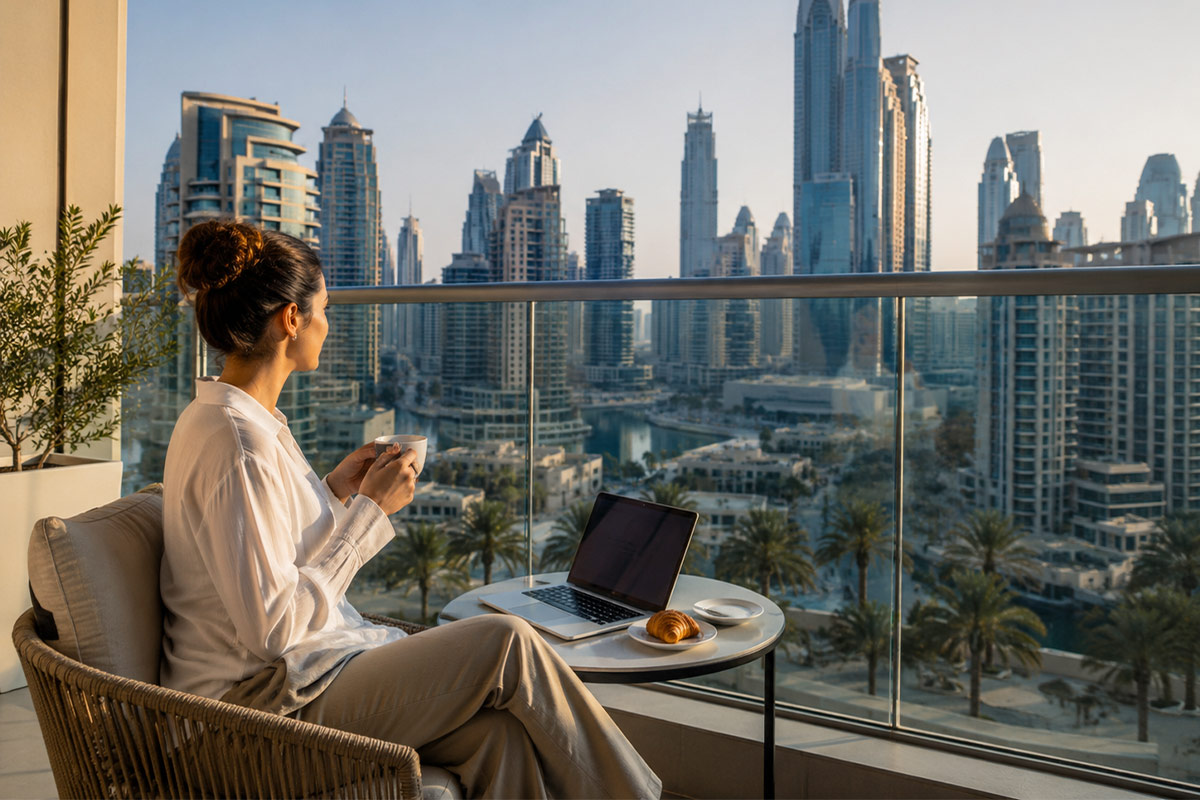
The biggest mistake people make about Dubai is thinking they understand it before living it. From the outside, Dubai can look simple: rich, shiny, expensive, artificial, and fast. But from the inside, it becomes more complex. You start to see the systems, the trade-offs, the opportunities, the pressure, the diversity, and the strange emotional pull that keeps many people longer than they expected.
Because Dubai always looks different from the inside. And that is the part no one tells you.
FAQ About Dubai Myths
- Is Dubai only for rich people?
No, Dubai is not only for rich people. Dubai has luxury areas and expensive lifestyles, but it also has affordable neighborhoods, budget restaurants, shared housing, public transport, and practical living options. The city is scalable depending on your income and lifestyle choices.
- Do people live in Dubai long-term?
Yes, many people now live in Dubai long-term. While Dubai was once seen mainly as a short-term work destination, many expats now build families, buy property, start businesses, and stay for many years.
- Does Dubai have culture?
Yes, Dubai has culture, but it is layered. The city has traditional Emirati heritage in areas like Al Fahidi and Dubai Creek, while its modern culture is shaped by more than 200 nationalities living together.
- Do you need connections to succeed in Dubai?
Connections can help, but they are not the only path to success. Dubai is a fast-moving city that rewards execution, speed, results, and practical value. Skilled newcomers can build momentum if they understand the market and work consistently.