
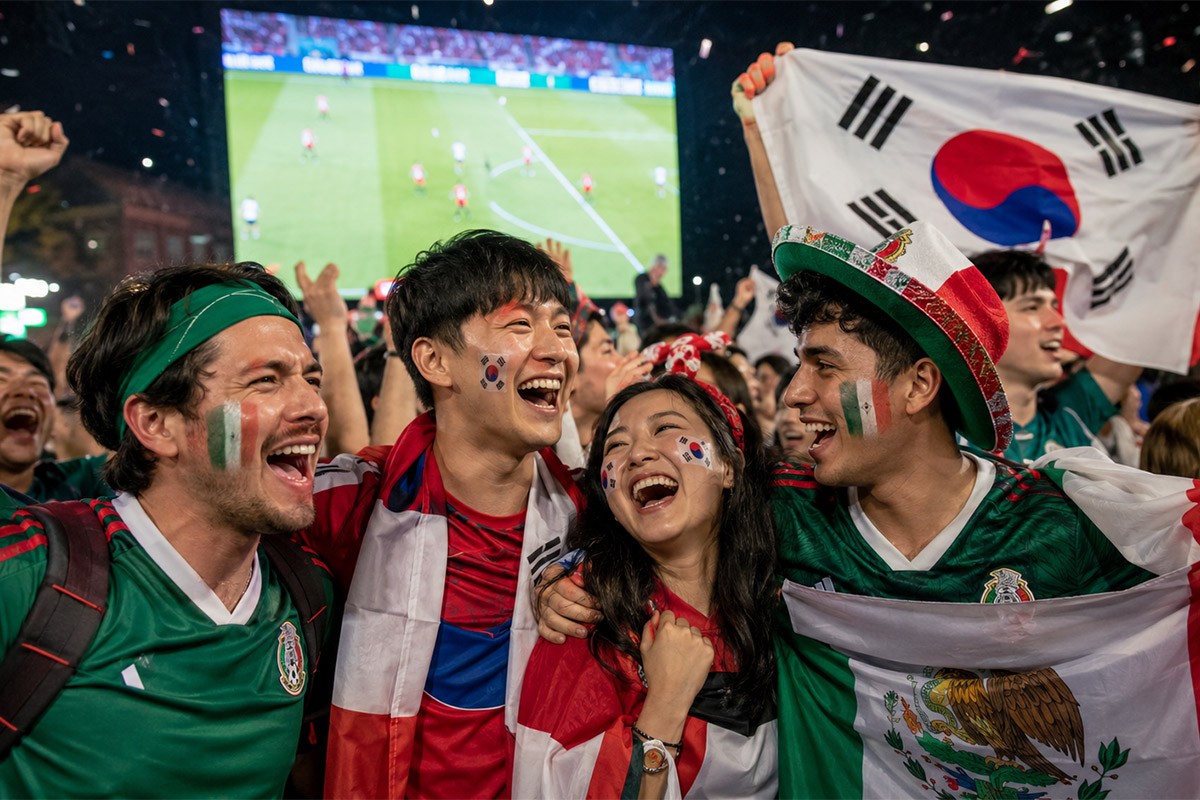
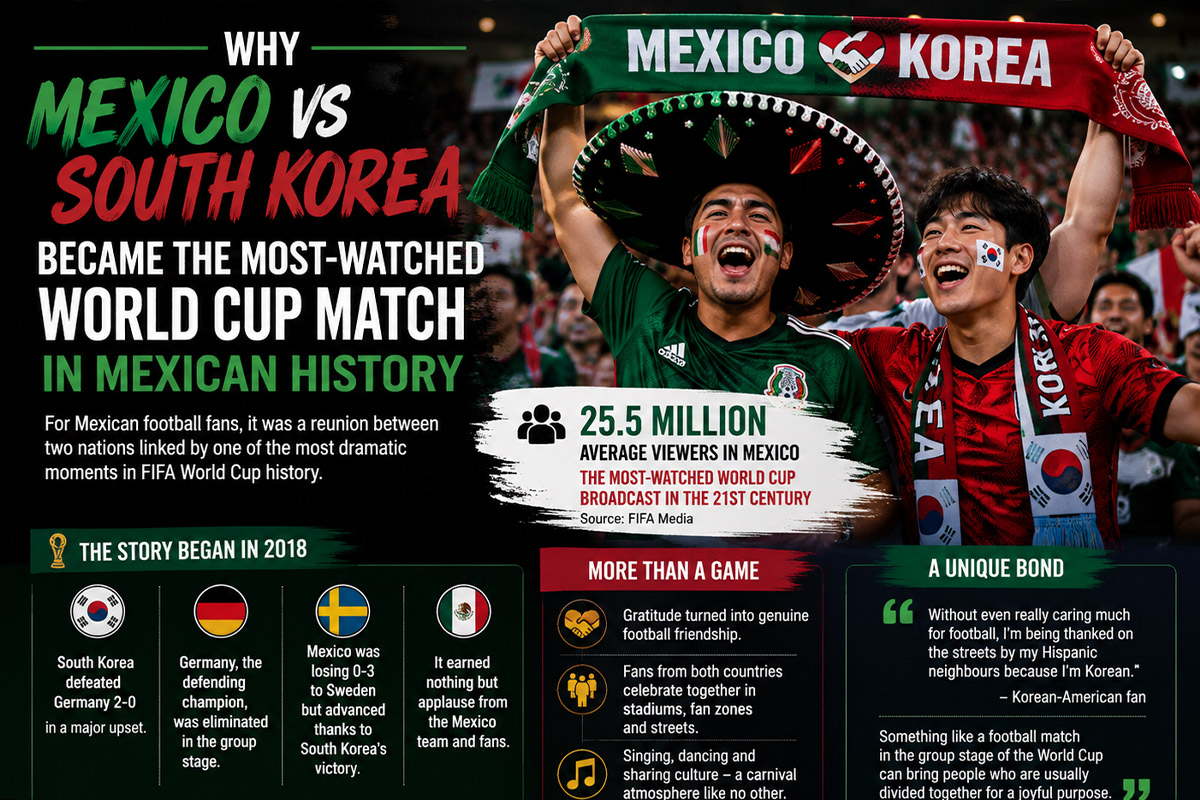
The Mexico vs South Korea World Cup match has become one of the most remarkable stories of the tournament, not only because of what happened on the pitch, but because of the emotional history between the two nations. According to FIFA Media, Tuesday’s match averaged 25.5 million viewers in Mexico, making it the country’s most-watched World Cup broadcast of the 21st century.
At first glance, it may seem surprising that a group-stage match against South Korea attracted a bigger audience than many of Mexico’s traditional football rivalries. But for Mexican fans, this fixture carried a meaning that goes far beyond ordinary competition. It was a reunion between two football nations connected by one of the most dramatic moments in modern World Cup history.
Why Mexico vs South Korea Means So Much to Fans
The bond between Mexico and South Korea began during the 2018 FIFA World Cup in Russia. Mexico entered the final round of group matches needing help to avoid elimination. Sweden needed a win to progress, while Germany, the defending world champion, was expected to beat South Korea and move into the knockout stage.
South Korea had already been eliminated, so many fans expected Germany to win comfortably. For Mexico, that would have been a dangerous outcome, especially as the team was losing heavily to Sweden.
Then the unexpected happened. South Korea stunned Germany with a 2-0 victory, knocking the defending champions out of the World Cup group stage for the first time since 1938. That result also helped Mexico advance to the knockout rounds despite their defeat to Sweden.
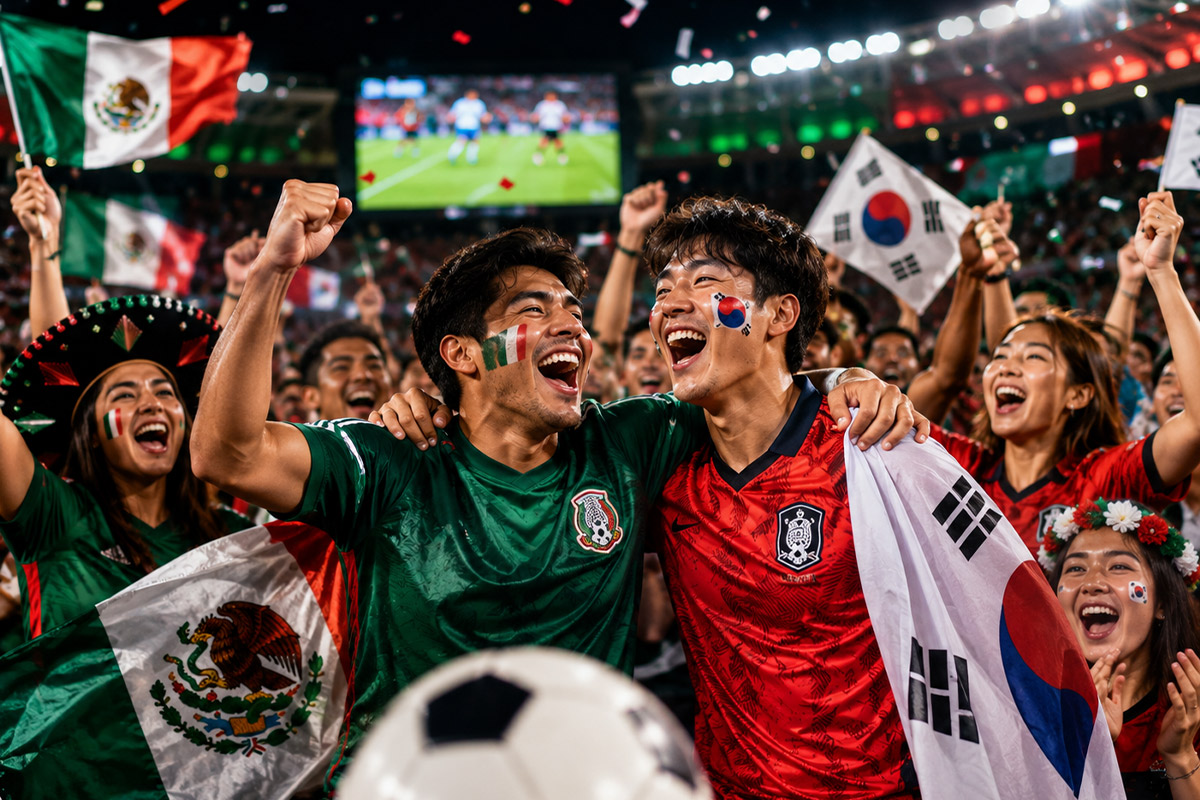
For Mexican supporters, South Korea did more than win a football match. They helped keep Mexico’s World Cup dream alive.
The 2018 Moment Mexico Never Forgot
As Mexico trailed Sweden 3-0, many Mexican fans shifted their attention to the Germany vs South Korea match, which remained goalless late into the game. When South Korea scored twice in stoppage time, the mood among Mexican fans changed instantly. What looked like a painful elimination turned into celebration.
That night created one of the most unusual football friendships in the world. Mexican supporters celebrated South Korea’s win as if it were their own, and the gratitude did not fade after the tournament ended.
Years later, many fans still remember South Korea’s victory over Germany as one of the most important moments in Mexico’s World Cup history. It remains one of those emotional moments that shaped modern FIFA World Cup history, showing how one result can change the fate of more than one nation.
From Gratitude to Football Friendship
What began as appreciation slowly turned into a wider football connection. Whenever South Korea appeared on the international stage, many Mexican fans continued to show support. The relationship became more than a memory from 2018; it became a shared football story between two countries from different continents.
That emotional connection helped explain why the Mexico vs South Korea World Cup match in 2026 drew such a massive audience in Mexico.
For many viewers, it was not just another group match. It was a chance to watch Mexico face a country that had become part of its football folklore.
Fans Celebrate Together Across Host Cities
Despite the two teams facing each other on the pitch, supporters from Mexico and South Korea created a festive atmosphere in host cities and fan zones. Videos shared online showed fans from both countries singing, dancing and celebrating together. Some danced to Mexican music, while others joined in with K-pop songs, creating a lively mix of cultures and football passion.
The atmosphere was described by some fans as closer to a carnival than a normal World Cup matchday. This shared celebration showed how football can create emotional connections that last beyond one tournament, one result or one generation of players.
A Match That Crossed Cultural Boundaries
The Mexico-South Korea connection also had an impact beyond the stadium. One Korean-American fan said they were being thanked on the street by Hispanic neighbours simply because they were Korean. The moment reflected how deeply the 2018 result had entered Mexican football culture.
The fan also noted that Korean communities and Hispanic communities in some cities have sometimes faced social tensions linked to identity, immigration and neighbourhood change. Yet for a brief moment, football created a shared celebration that crossed those boundaries.
That is part of what made the match so powerful. It showed how even a group-stage football game can bring communities together around joy, memory and shared emotion.
Los Angeles Embraces “Two Cultures, One City”
The connection was also embraced by football organisations in the United States. Los Angeles FC promoted its Mexico vs South Korea watch party with the slogan “Two cultures, one city.” The message captured the mood around the match, especially in a city where Mexican, Korean and other immigrant communities form an important part of local identity.
For a World Cup hosted across North America, this kind of multicultural celebration became part of the wider story of the tournament. Los Angeles is one of the key World Cup 2026 host cities, and this match showed how host cities can turn football into a wider cultural event. The match was not only about national teams. It became a symbol of how football can reflect the communities that gather around it. The same North American World Cup atmosphere was also visible when the USA made a statement with a 4-1 win over Paraguay.
Why the Match Broke Viewership Records in Mexico
Several factors helped make the Mexico vs South Korea World Cup match a record-breaking broadcast in Mexico. First, Mexico remains one of the most passionate football nations in the world, and World Cup matches involving the national team always draw major attention. That passion was already clear when Mexico started the World Cup with a 2-0 win over South Africa, giving fans another reason to follow the team closely.
Second, the 2018 connection gave South Korea a special place in the memory of Mexican fans. The match was emotionally charged before it even began.
Third, social media helped revive and amplify the story. Videos, memes and fan posts reminded younger viewers of what South Korea had done for Mexico in Russia. Together, these factors turned a normal group fixture into a national viewing event.
A Unique Friendship in International Football
International football is often defined by rivalries, but the Mexico-South Korea story is different. It is built on gratitude, shared celebration and a moment of sporting drama that changed both countries’ World Cup narratives. South Korea’s win over Germany in 2018 did not only create one of the biggest upsets in tournament history. It also created a bond with Mexican supporters that has lasted for years.
That bond is now strong enough to influence broadcast numbers, fan behaviour and the atmosphere around matches between the two countries.
Final Thoughts
The Mexico vs South Korea World Cup match became the most-watched World Cup broadcast in modern Mexican history because it carried a story that millions of fans already understood. For Mexico, South Korea is not just another opponent. It is the country that helped save its 2018 World Cup campaign and created one of the most emotional memories in Mexican football culture.
Eight years later, that gratitude has turned into something bigger: a unique friendship between two football communities. In a tournament often shaped by rivalry, pressure and national expectation, Mexico and South Korea offered something different. Their match showed that football can also create connection, appreciation and lasting cultural bonds.