
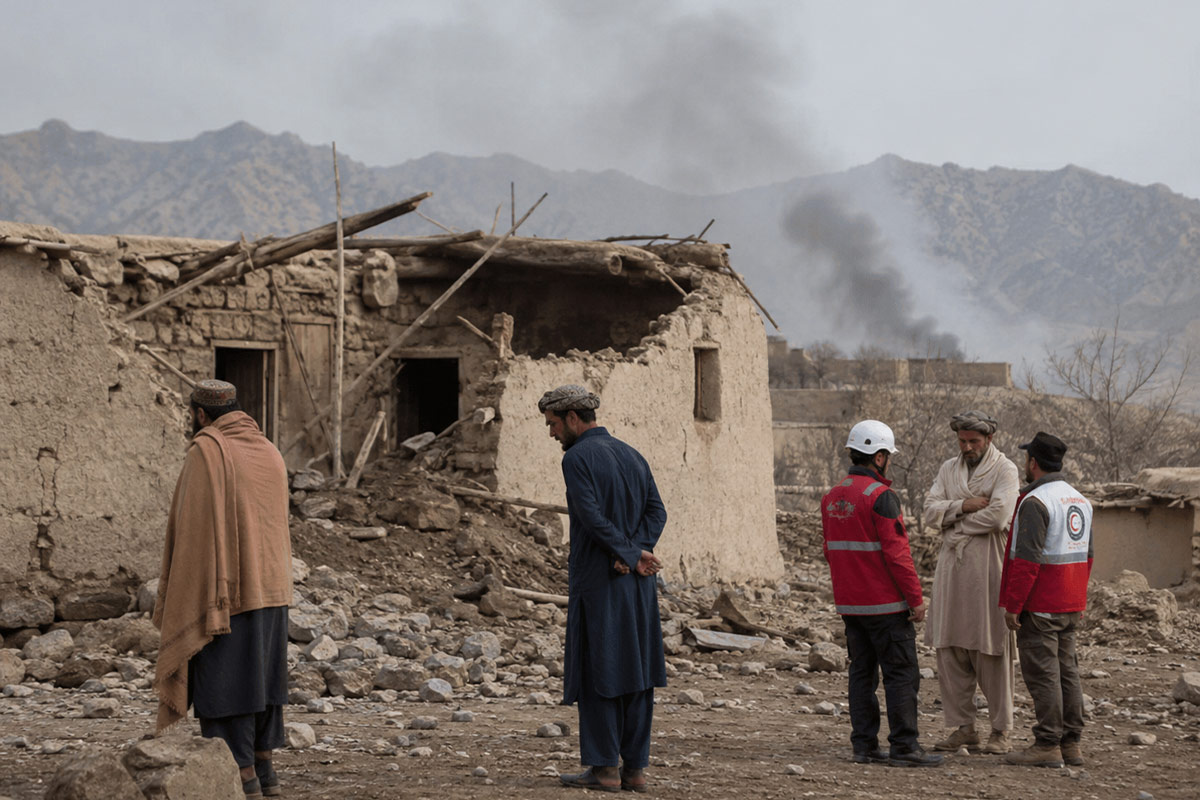
At least 13 people were killed in Pakistani strikes inside Afghanistan near the countries’ shared border, Afghan government officials and local sources said on Wednesday. The reported strikes were the deadliest in several weeks and came after a period of relative calm along the Afghanistan-Pakistan border, where tensions have repeatedly flared over security accusations and militant activity.
Afghan government spokesman Zabihullah Mujahid said on X that Pakistan’s military had “once again” violated Afghan airspace and bombed civilian homes in Kunar, Khost and Paktika provinces. According to Mujahid, those killed included 11 children, one woman and one elderly man.
Local Sources Report Casualties in Khost and Paktika
A local official in Khost province, speaking anonymously to AFP, said a house in Spera district was hit during the strikes. The official said nine people were killed and 10 others were wounded.
In neighbouring Paktika province, two residents said a separate strike in Barmal district killed three civilians. One resident said the attack hit a home and that the victims were children. Pakistan’s military and the prime minister’s office did not immediately respond to AFP’s request for comment.
Islamabad Says It Targets Militants, Not Civilians
Pakistan has repeatedly said that its strikes inside Afghanistan are aimed at militants accused of launching attacks on Pakistani territory. Islamabad has also said it does not deliberately target civilians. However, Afghan officials have frequently rejected Pakistan’s claims and accused Islamabad of violating Afghan sovereignty. The latest reported strikes are likely to increase tensions between the two neighbours after weeks of uneasy calm.
Deadliest Strikes in Weeks
The new strikes follow a period of relative quiet after conflict between Afghanistan and Pakistan escalated in late February. That earlier escalation included fierce fighting along the frontier and Pakistani airstrikes on Afghan cities, including Kabul and Kandahar. Kandahar is politically significant because Afghanistan’s Taliban supreme leader is based there.
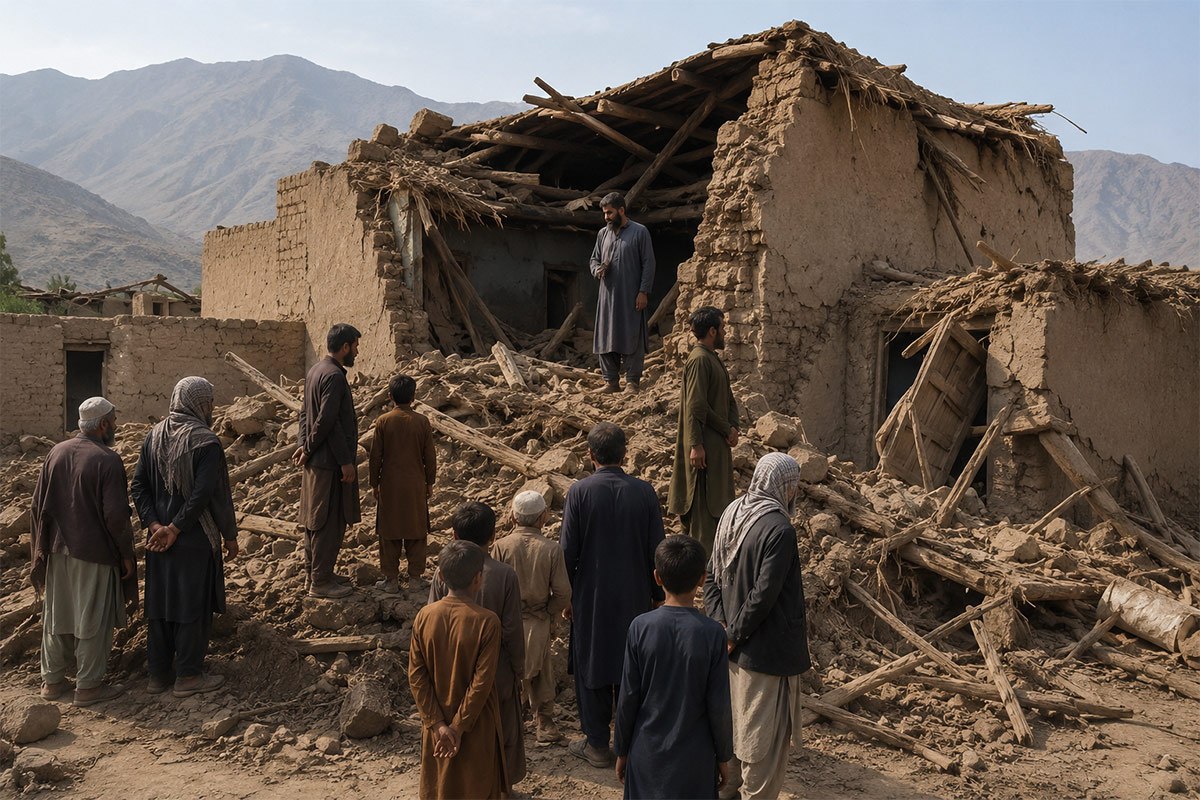
A United Nations report published last month said at least 372 Afghan civilians were killed and 397 others wounded during the conflict in the first three months of the year.
Relations Have Been Strained Since Taliban Return
Relations between Pakistan and Afghanistan have been tense since the Taliban returned to power in 2021. One of the main points of dispute is security. Pakistan has repeatedly demanded that the Taliban authorities act against the Tehreek-e-Taliban Pakistan, also known as the TTP.
Islamabad accuses the Afghan Taliban government of sheltering militants behind a rise in attacks inside Pakistan, especially those linked to the TTP, which has waged a long-running campaign against the Pakistani state. Afghan officials deny the accusation. They argue that Pakistan is blaming Afghanistan for its internal security problems and accuse Islamabad of supporting hostile groups and disrespecting Afghan sovereignty.
Border Closure Has Hurt Trade
The border between the two countries has remained largely closed since a flare-up in violence in October, disrupting bilateral trade and adding pressure to already strained relations. The closure has affected traders, transporters and communities on both sides of the frontier, where cross-border movement has long been an important part of daily economic life.
The latest reported strikes could make reopening efforts more difficult, especially if both governments continue to blame each other for border insecurity.
Tensions Remain High Along the Frontier
The Afghanistan-Pakistan border remains one of the most sensitive security zones in the region. For Pakistan, the main concern is militant activity and cross-border attacks. For Afghanistan’s Taliban government, the key issue is sovereignty and opposition to Pakistani military operations inside Afghan territory.
The deaths reported in Kunar, Khost and Paktika are likely to deepen mistrust between the two sides. With no immediate response from Pakistan and no clear sign of diplomatic progress, the latest incident could mark another dangerous turn in a relationship already shaped by border closures, militant accusations and repeated military escalation.