

As Donald Trump turns 80, attention has turned to a growing trend in the United States: more Americans are continuing to work well into their 80s and even 90s, reshaping traditional ideas of retirement and ageing.
One striking example is Arthur Rose, a 95-year-old internist from Michigan who recently retired after more than 65 years in medicine. He described his decision simply: “The job was really not pleasing me anymore. I just wasn’t getting that same kind of exhilaration.” His story reflects a broader shift in American society, where retirement is no longer a fixed endpoint but an increasingly flexible stage of life.
A Growing Workforce of Older Americans
According to data from Pew Research, the share of Americans aged 65 and older who remain in the workforce has quadrupled since the mid-1980s. Today, nearly 19% of older adults continue working, a significant rise compared to previous generations.
This trend includes a wide range of roles ، from manual labour and part-time work to high-level positions such as lawmakers, judges, executives, and even heads of state. In fact, 24 members of the US Congress are currently over the age of 80, including Senator Chuck Grassley, who at 92 remains the oldest serving lawmaker.
Why Are People Working Longer?
Experts say several factors are driving this shift:
- Improved healthcare: More people are living longer and staying physically active into their 80s.
- Financial pressure: Rising living costs are pushing some retirees back into part-time work.
- Social engagement: Many older adults continue working for purpose and connection.
- Changing attitudes toward age: Skills and capability are increasingly valued over age alone.
As ageing researcher Gordon Lithgow explains, “It’s really who is qualified for the job, not what age they are.”
High-Profile Examples of Ageing in Leadership
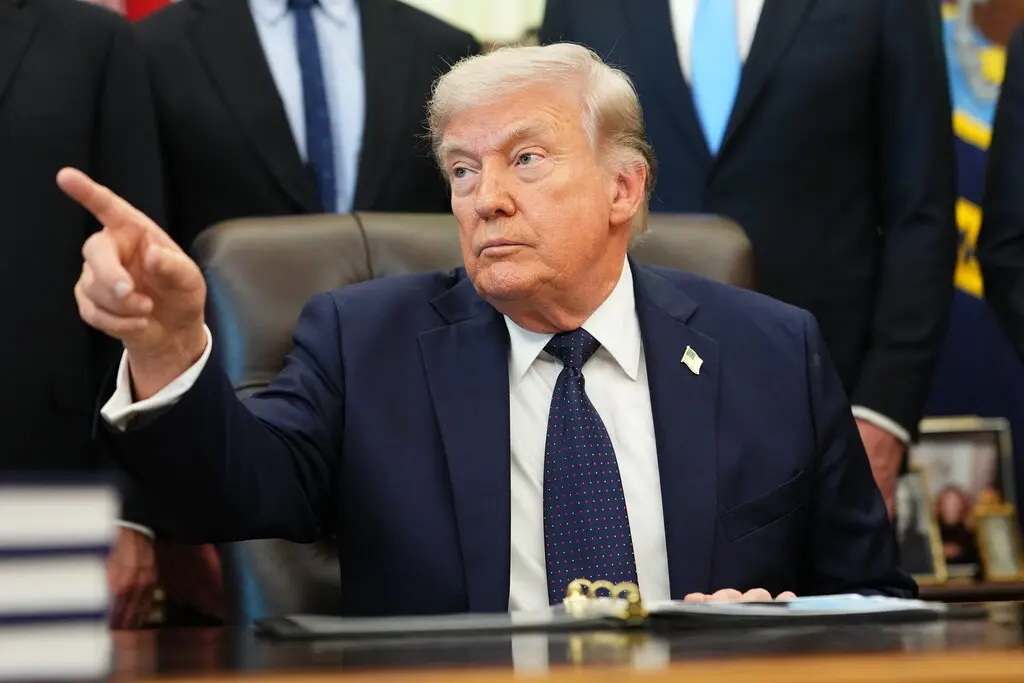
The discussion has also been amplified by political leadership ages. Donald Trump, now 80, is among the oldest world leaders, highlighting broader global trends of extended political careers.
At the same time, concerns about ageing in leadership have intensified in recent years, particularly following debates around cognitive health and stamina in high-pressure roles.
Health, Stress and Performance
While many older professionals remain highly capable, experts warn that ageing can bring challenges such as reduced stamina, sleep disruption, and cognitive decline.
Studies suggest that chronic stress can accelerate biological ageing, while good sleep, diet, and healthcare access play a critical role in longevity. As Lithgow notes, “Sleep is one of the most important factors for recovery and repair in the body.”
Purpose and Longevity in Work
For many older workers, the motivation is not financial but emotional and psychological. Harriet Newman Cohen, a 93-year-old lawyer still active in her field, says working has given her energy and purpose. “Working has kept me young, vigorous, energetic, knowledgeable, fun,” she explained. Similarly, Arthur Rose says continuing to treat patients for decades gave him meaning: “I felt that no one could do without me.”

A New Definition of Retirement
The traditional idea of retirement at 65 is rapidly evolving. Today, many people view work as a lifelong activity that can extend well into later decades, depending on health, interest, and opportunity. Experts believe this trend will continue as life expectancy increases and economic conditions evolve.
Conclusion
The growing number of Americans working into their 80s and 90s reflects a major shift in how society views ageing. As figures like Donald Trump reach 80 while still active in public life, the boundaries between working age and retirement continue to blur. In modern America, age is no longer the final definition of productivity ,it is increasingly just another stage of work and life.