
A new DraftKings lawsuit has been filed by a man who says he lost his wedding savings, his job and more than $2 million while using the online betting platform. The lawsuit was filed by Dane Miller, a 32-year-old Chicago resident, who claims DraftKings failed to provide adequate safeguards despite signs that he was struggling with gambling addiction. According to the complaint, the platform allegedly allowed his betting activity to escalate and even encouraged his continued use through incentives and account status features.
DraftKings has become one of the most recognisable names in online sports betting, especially as digital gambling platforms and betting apps have grown rapidly in recent years. The case adds to a wider debate over how much responsibility online betting companies should have when users show signs of harmful gambling behaviour.
What the DraftKings Lawsuit Claims
According to the lawsuit, Miller alleges that DraftKings ignored warning signs connected to his gambling habits and continued to engage him as a valuable user. The complaint claims that he was given VIP status on the platform while he was struggling with addiction. Miller says this increased his time spent betting and contributed to major financial losses, including his wedding savings.
He also claims he took out credit card advances and loans as his gambling losses grew. In total, Miller says he lost more than $2 million through gambling on DraftKings.
The lawsuit argues that the platform failed to intervene properly, even as his behaviour allegedly showed signs of addiction and financial distress.
Allegations Over VIP Status and User Incentives
One of the key issues raised in the DraftKings lawsuit is the use of incentives and personalised engagement. The complaint alleges that DraftKings uses systems that can encourage users to keep playing, including personalised algorithms that may push users to chase losses. The concern is similar to wider debates around AI chatbots and hidden bias, where automated systems can shape user behaviour in ways that are not always transparent. Miller’s legal filing claims that these tools can take advantage of users’ emotional vulnerability, particularly when they are already experiencing gambling-related harm.
The lawsuit also includes an allegation that DraftKings offered Miller $200 in free credits shortly after he was discharged from a hospital stay connected to his addiction. Miller claims that this offer contributed to a relapse.
These allegations have not yet been tested in court, but they highlight growing scrutiny around how betting apps communicate with high-spending or at-risk users.
Online Betting Faces Growing Scrutiny
The case comes as online gambling has become more visible and more accessible. Platforms such as DraftKings and FanDuel have helped bring sports betting into the mainstream, offering users easy access through mobile apps, promotional offers and fantasy-style betting products. For many users, these services are marketed as entertainment. For critics, however, the convenience of mobile betting can make it harder for vulnerable users to stop.
The lawsuit reflects a broader concern: online betting platforms may have more data about user behaviour than traditional gambling venues. That raises questions about whether companies should be expected to identify risky patterns earlier and take stronger action when users appear to be losing control.
Gambling Addiction and Digital Platforms
Gambling addiction has become a growing topic in discussions around gaming, streaming and online entertainment. Unlike traditional casinos, betting apps can be accessed at any time, from almost anywhere. This constant availability may increase risk for users who struggle with compulsive behaviour. For readers dealing with pressure around money, work or online habits, practical guides on ways to reduce stress can be a safer starting point, although gambling addiction often requires professional support. Promotional credits, personalised messages and loyalty programmes can also create pressure to return to the platform.
The DraftKings lawsuit argues that companies should do more to prevent users from escalating into severe financial harm. It also raises questions about whether VIP programmes are appropriate for users showing signs of addiction. For online gambling companies, the challenge is balancing user freedom with responsible gambling protections.
The Case Fits Into a Wider Pushback Against Online Gambling
Miller’s lawsuit comes amid growing pushback against online gambling across digital platforms. Streaming platform Twitch previously introduced restrictions on certain gambling websites, especially those offering games such as slots, roulette and dice. Other platforms have faced criticism for allowing gambling promotions to reach younger or more impressionable audiences.
Meanwhile, gambling mechanics in video games have also faced regulatory attention. Loot boxes, paid random rewards and casino-style features have been criticised by consumer groups and regulators in several markets.
Although sports betting and video game monetisation are different issues, both are part of a larger debate about digital products that use chance, rewards and user engagement systems to encourage spending.
Why the DraftKings Lawsuit Matters
The DraftKings lawsuit matters because it could contribute to a larger conversation about responsibility in online betting. Similar questions about platform responsibility also appear in debates around UAE social media law, where digital services face growing scrutiny over user protection and harmful content. If courts take these claims seriously, gambling platforms may face more pressure to improve safeguards, especially for users who show signs of addiction. This could include stronger spending limits, clearer warnings, better self-exclusion systems and more careful use of promotional offers.
The case may also influence how regulators look at VIP programmes in betting apps. High-spending users can be profitable for platforms, but they may also be at higher risk of serious gambling harm.
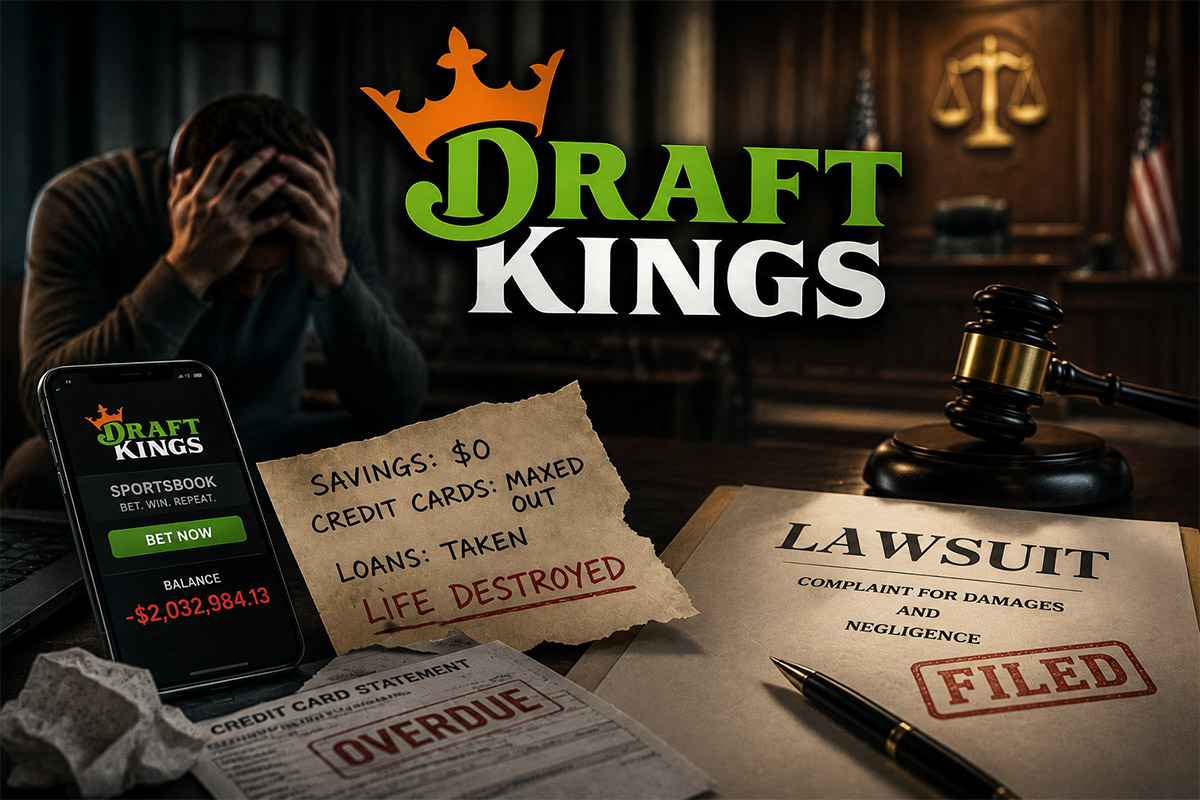
For users and families affected by gambling addiction, the lawsuit may become part of a broader effort to hold platforms accountable for how they respond to risky behaviour.
DraftKings and the Future of Responsible Gambling
Online betting companies often promote responsible gambling tools, including deposit limits, time limits and self-exclusion options. However, critics argue that these tools may not be enough if platforms continue to send incentives or rewards to users who are already struggling.
The central question is whether betting platforms should only provide tools for users to control themselves, or whether they should actively intervene when their own data suggests a user may be in trouble. That question is likely to become more important as online gambling grows and betting apps become more integrated into sports culture.
Final Thoughts
The DraftKings lawsuit filed by Dane Miller highlights the growing tension between online betting growth and gambling addiction concerns. Miller claims he lost more than $2 million, his wedding savings and his job while using DraftKings, and alleges that the platform failed to protect him despite signs of addiction. DraftKings has not been found liable, and the case will need to move through the legal process.
Still, the lawsuit adds to wider scrutiny of online gambling platforms, promotional incentives and VIP systems. As betting apps continue to grow, the debate over responsible gambling protections is likely to become even more intense.