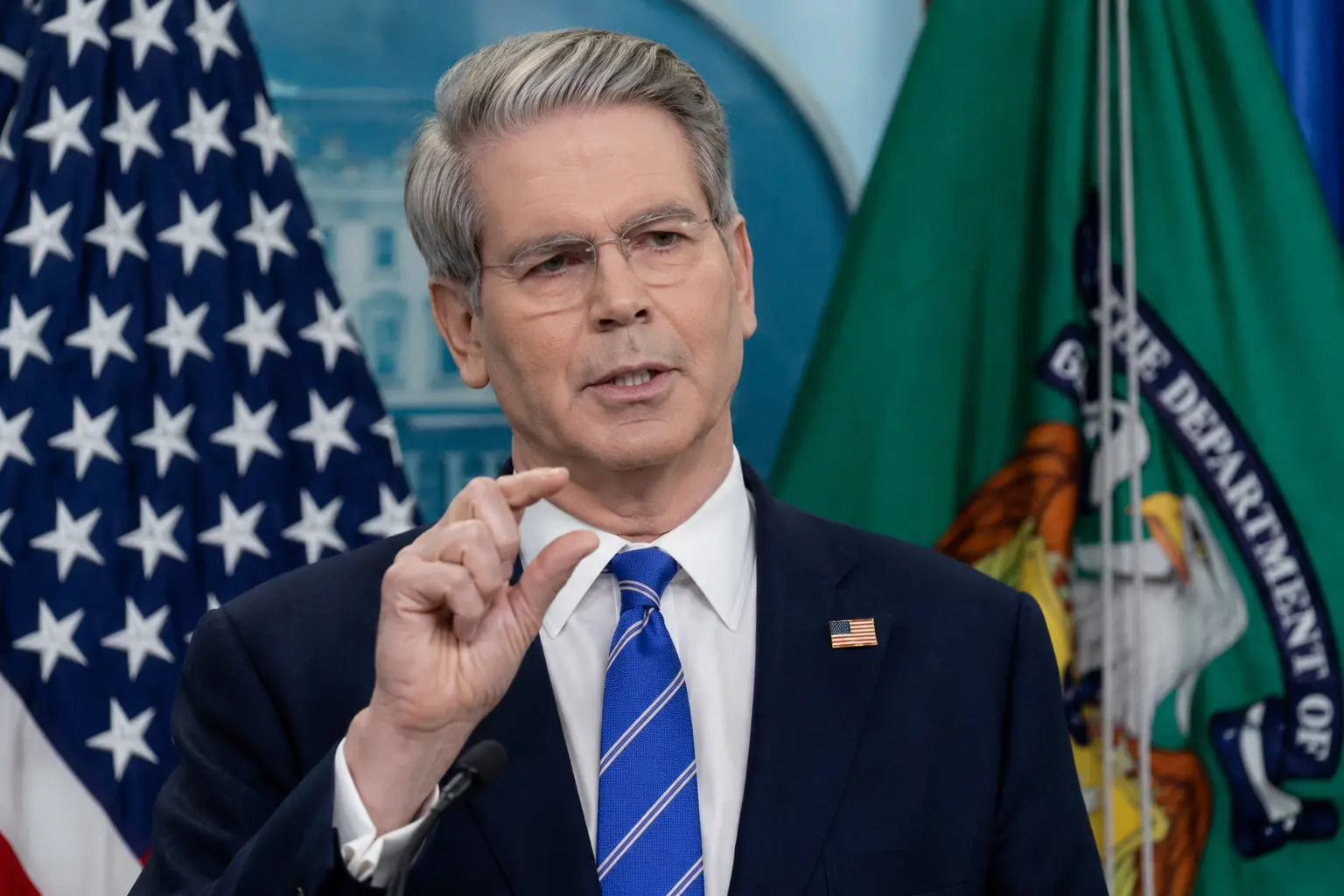
US Treasury Secretary Scott Bessent said China has substantially reduced its purchases of Iranian oil, arguing that American sanctions targeting privately owned Chinese refineries are placing growing financial pressure on Tehran.
Speaking in an interview with Fox Business Network on Tuesday, Bessent said Washington had imposed sanctions on several Chinese facilities commonly known as “teapot refineries.” These independent refineries have played an important role in processing discounted Iranian crude that is subject to US restrictions.
“We have sanctioned Chinese so-called teapot refineries, which are the private refineries, and we’ve seen a substantial decrease in their purchases of Iranian oil,” Bessent said. He did not provide a specific figure for the reduction in Iranian shipments, but linked the decline to both US enforcement measures and broader changes in China’s crude oil demand.
The US Treasury has intensified its campaign against companies accused of supporting Iran’s petroleum trade. Since March 2025, the Office of Foreign Assets Control has designated multiple China-based independent refineries that it says processed billions of dollars’ worth of Iranian-origin oil. Washington argues that the revenue generated through these exports helps finance the Iranian government and its military activities.
Bessent also said China’s overall crude purchases had fallen by approximately 40 percent in recent months. He attributed the decline to high oil prices and China’s ability to rely on its large strategic petroleum reserves rather than continuing to buy at previous levels.
Official Chinese customs data showed that the country’s crude imports in June fell 41.3 percent from earlier levels to around 7.12 million barrels per day, the lowest level recorded since October 2016. The decline was also linked to weak domestic demand, lower refinery activity and restrictions on refined fuel exports.
China has remained a crucial destination for Iranian crude because many other buyers avoid the trade due to the risk of US secondary sanctions. Iranian oil is often sold at a discount and transported through complex trading networks intended to conceal its origin and reduce exposure to enforcement measures.
Beijing has repeatedly opposed unilateral US sanctions. In May, China announced measures intended to block the domestic impact of American restrictions imposed on five refineries accused of importing Iranian oil, arguing that Washington’s actions violated international law.
The reduction in Chinese demand could pose a significant challenge for Iran, whose economy depends heavily on energy exports for foreign currency revenue. However, the long-term impact will depend on whether Chinese refiners continue reducing purchases, find alternative payment and shipping arrangements, or resume imports if oil prices decline.
Bessent presented the figures as evidence that US sanctions are working. His comments suggest Washington will continue targeting refineries, shipping companies and financial institutions involved in Iran’s oil trade as part of its wider economic pressure campaign.