
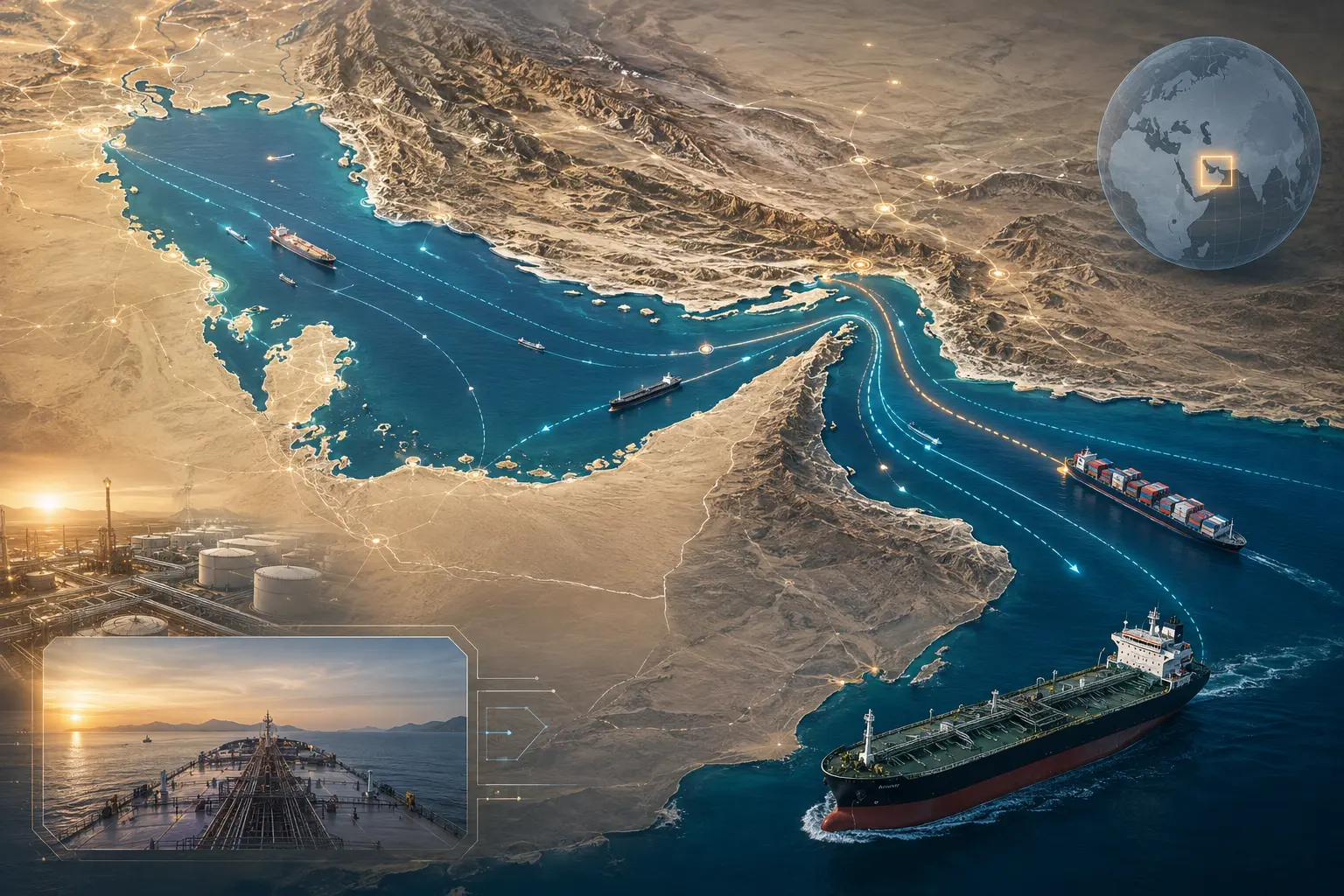
Iran has said it does not plan to collect tolls from ships passing through the Strait of Hormuz, while also stressing that the management of the strategic waterway belongs to the coastal countries.
The statement comes at a time when global attention remains focused on the Strait of Hormuz, one of the world’s most important maritime passages for oil, gas and commercial shipping. Any uncertainty around the waterway can quickly affect energy markets, shipping costs and investor confidence across the Gulf region.
Iran’s Foreign Ministry spokesperson Esmaeil Baqaei said Tehran would not take “tolls” on the Strait of Hormuz, while noting that services provided in the waterway may involve costs. He also said Iran is in contact with countries bordering the strait to help provide security and protect their interests.
What Did Iran Say About Hormuz Tolls?
The main point of Iran’s latest statement is that Tehran is rejecting the term “tolls” for ships transiting the Strait of Hormuz. According to Iranian state-linked reporting, Baqaei said Iran does not collect tolls in the strait and emphasized the need to use precise terminology.
However, the spokesperson also said it is normal for certain services to require a price. This distinction matters because the issue of shipping fees through Hormuz has been controversial in recent weeks, especially after reports suggested Iran had created a new body to manage transit through the waterway.
In simple terms, Iran is saying it is not imposing a toll on passage itself, while still leaving room for possible service-related charges connected to security, coordination or maritime management.
Why the Strait of Hormuz Is So Important
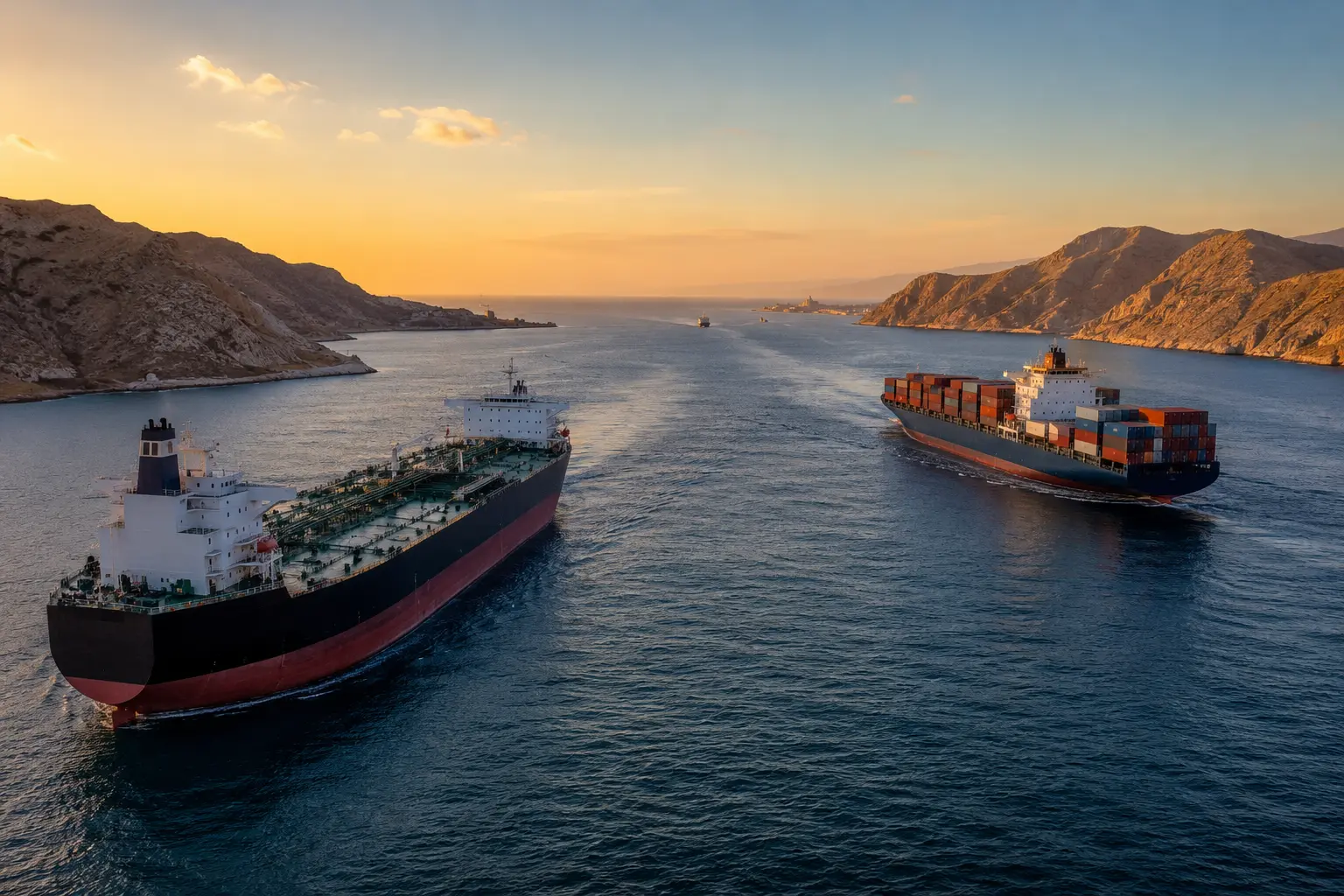
The Strait of Hormuz is one of the most important energy chokepoints in the world. It connects the Gulf with the Arabian Sea and is used by major oil and gas exporters, including Gulf producers.
According to the U.S. Energy Information Administration, flows through the Strait of Hormuz in 2024 and the first quarter of 2025 accounted for more than one-quarter of total global seaborne oil trade and about one-fifth of global oil and petroleum product consumption. Around one-fifth of global liquefied natural gas trade also passed through the strait in 2024, mainly from Qatar.
That means any disruption in Hormuz can affect:
- Oil prices
- Gas markets
- Shipping insurance costs
- Energy importers in Asia
- Gulf export routes
- Global supply chains
- Investor confidence in regional markets
Why This Matters for the UAE and Gulf Economies
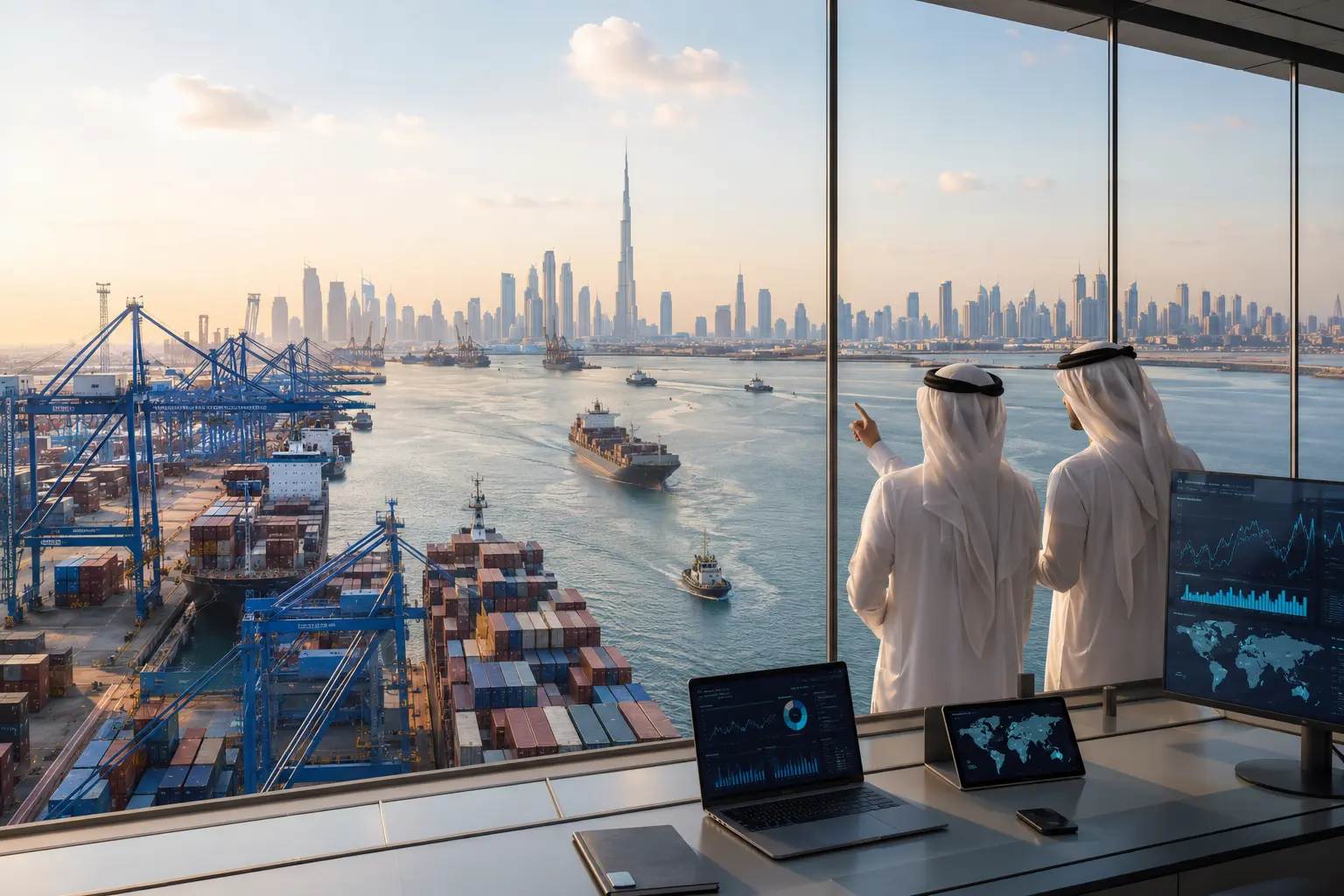
For the UAE and other Gulf countries, the Strait of Hormuz is not just a geopolitical issue. It is closely linked to trade, logistics, energy exports and market stability.
Dubai, Abu Dhabi and other Gulf business hubs rely on predictable shipping routes and stable energy markets. Even when the UAE has alternative infrastructure and diversified trade routes, the wider Gulf economy is still affected when shipping through Hormuz becomes uncertain.
The issue also matters for consumers. If oil and shipping costs rise, the impact can eventually be felt in aviation, logistics, manufacturing, food imports and fuel-related costs.
What Is the Debate Around Management of the Strait?
Iran’s latest statement says the management of the Strait of Hormuz belongs to coastal countries. This refers to the countries that border or are directly connected to the waterway and its surrounding maritime routes.
However, the strait is also an international maritime chokepoint used by ships from around the world. This is why any move related to fees, restrictions or transit approvals can attract strong international attention.
Earlier reports said Iran had created a new authority to approve transit through the Strait of Hormuz and collect fees from vessels. Khaleej Times reported that the move drew regional and international concern, while some countries criticized the idea of tolls as inconsistent with international maritime norms.
Could This Affect Oil Prices?
Yes, even statements about Hormuz can affect oil markets because traders react quickly to any risk involving major energy routes.
Recent reports showed that oil prices moved lower after signs of possible progress in talks involving Iran and the United States, partly because markets were watching whether the Strait of Hormuz could remain open without new restrictions.
At the same time, analysts usually remain cautious. Even if tensions ease, shipping companies may take time to resume normal operations if they are concerned about insurance, safety, routing or political risk.
Key Facts About the Strait of Hormuz
| Topic | Why It Matters |
|---|---|
| Global oil trade | More than one-quarter of seaborne oil trade passed through Hormuz in recent EIA data |
| Liquefied natural gas | Around one-fifth of global LNG trade passed through the strait in 2024 |
| Gulf economies | The route is essential for regional exports and shipping confidence |
| Energy markets | Uncertainty can influence oil and gas prices |
| Shipping costs | Tensions may increase insurance and freight expenses |
| UAE relevance | Stable Gulf shipping supports trade, logistics and investor confidence |
What Happens Next?
The key question is whether Iran’s latest clarification reduces concerns around possible shipping fees or transit restrictions. For now, Tehran says it will not impose tolls, but the discussion around maritime services, security coordination and coastal-state management is likely to continue.
For businesses and residents in the UAE, the practical issue is not the terminology alone. What matters most is whether ships can move safely, predictably and without major new costs through one of the world’s most important trade routes.
Final Thoughts
Iran’s statement that it will not take tolls on the Strait of Hormuz is important because it addresses one of the biggest concerns surrounding the waterway. However, the issue remains sensitive because Hormuz is central to global oil, gas and shipping flows.
For Dubai Press, the safest and most useful angle is to explain what the statement means for trade, energy markets and the Gulf economy, without turning the story into a political argument.
The Strait of Hormuz will remain a key focus for governments, shipping companies, energy traders and regional businesses. Any change in how the waterway is managed can have consequences far beyond the Gulf, making it one of the most closely watched maritime routes in the world.
FAQ About the Strait of Hormuz
- What did Iran say about tolls in the Strait of Hormuz?
Iran said it will not take tolls from ships passing through the Strait of Hormuz, while also saying that services provided in the waterway may require payment.
- Why is the Strait of Hormuz important?
The Strait of Hormuz is a major global energy route. More than one-quarter of global seaborne oil trade and around one-fifth of global LNG trade passed through the strait in recent data.
- Why does Hormuz matter to the UAE?
The strait is important for Gulf trade, energy exports, shipping confidence and regional market stability. Any disruption can affect logistics, oil prices and business sentiment.
- Is the Strait of Hormuz open to international shipping?
The waterway remains one of the world’s most important shipping routes, but recent tensions and reports about transit controls have kept global attention focused on its status and management.
- Should this article be written as a political story?
For Dubai Press, it is better to write it as an economic and trade explainer. The topic is sensitive, so a neutral, factual tone is safer than a political angle.