
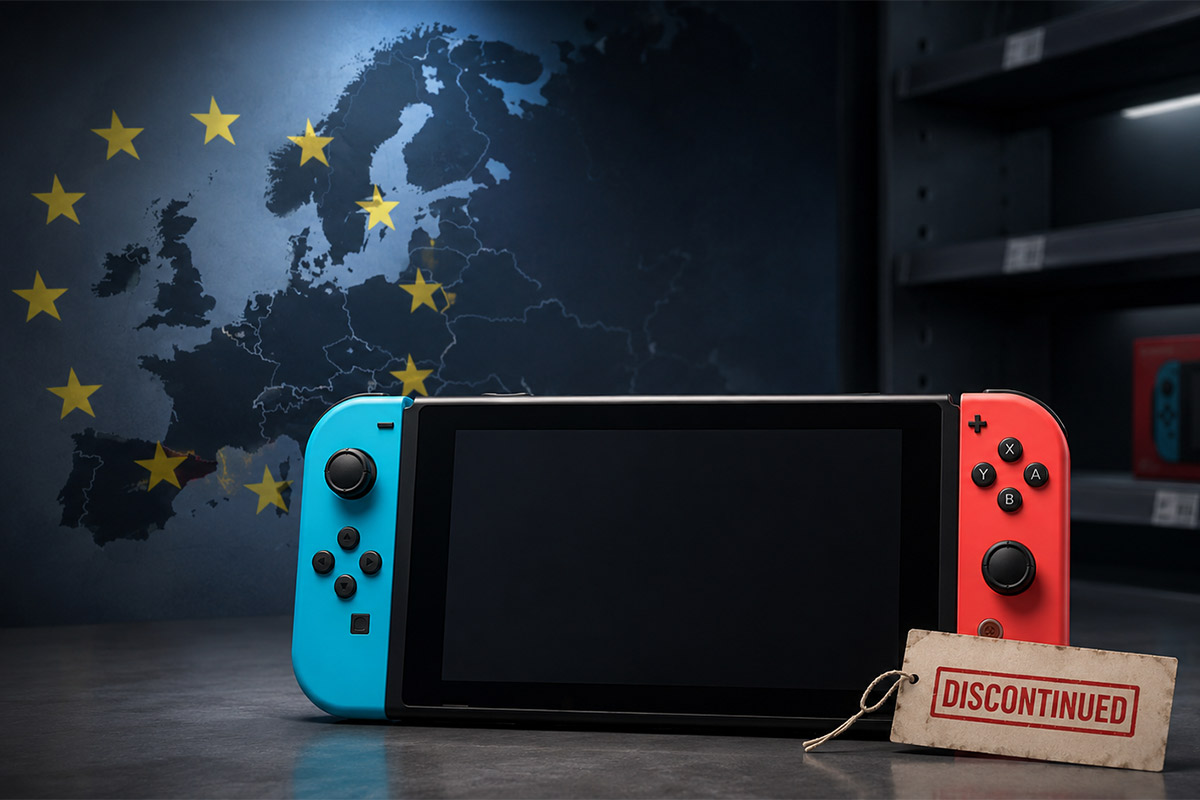
Nintendo Switch discontinued in Europe is now becoming a reality, as Nintendo prepares to stop supplying the original Switch family to European retailers in February 2027. The move will affect the original Nintendo Switch, Switch Lite and Switch OLED, marking the beginning of the end for one of the company’s most successful console generations.
According to information published on Nintendo’s official website, the original Nintendo Switch, Nintendo Switch Lite and Nintendo Switch OLED will no longer be supplied to European retailers after mid-February 2027. The Nintendo Store is also expected to stop selling these older Switch models in European markets during the same month.
The timing means the original Switch will leave the European market just before reaching its 10th anniversary. Since its debut, the hybrid console has remained one of Nintendo’s most important products, combining handheld and home console gaming in a format that helped redefine the company’s hardware strategy.
Why Nintendo Is Ending Original Switch Sales in Europe
Nintendo has not yet confirmed when the original Switch line will be discontinued in North America or other regions. However, Europe appears to be the first major market affected because of new regulatory requirements linked to repairability and consumer rights.
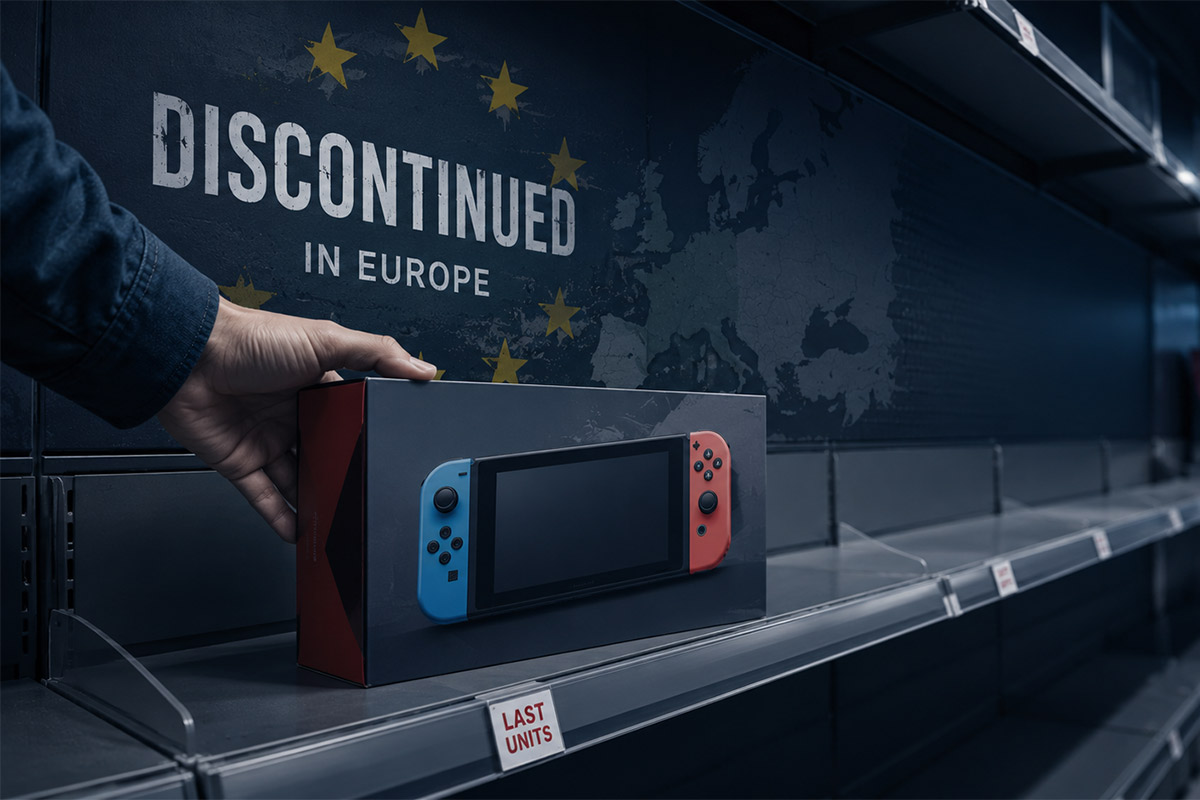
The European Union has introduced rules requiring console manufacturers and other electronics companies to sell products with batteries that users can replace more easily. For Nintendo, redesigning the original Switch hardware to meet these requirements may not have made financial sense, especially as the console is already nearing the end of its life cycle.
Instead of updating the aging Switch models, Nintendo is moving forward with its newer hardware. The company is expected to comply with Europe’s Right to Repair direction by releasing revised Nintendo Switch 2 units with replaceable batteries.
Switch 2 Models With Replaceable Batteries Are Coming
Nintendo has stated that updated Switch 2 consoles with replaceable batteries could begin appearing in Europe as soon as this summer. These revised models are expected to be almost identical to the current Switch 2 units already available, meaning players should not expect major differences in performance, design or core features.
However, Nintendo also noted that the new versions may not launch across all European countries at the same time. The rollout could vary depending on several factors, including supply conditions, production capacity and ongoing component availability.
This suggests that some European markets may receive the revised Switch 2 earlier than others, while the transition away from the older Switch models may happen gradually.
A Major Era for Nintendo Comes to an End
The discontinuation of the original Nintendo Switch in Europe marks a significant moment for the gaming industry. Since launching in 2017, the Switch has become one of the most influential consoles of its generation, supported by major first-party releases and a large library of third-party games.
Even after the launch of the Switch 2, the original Switch, Switch Lite and Switch OLED continued to remain available for players who wanted a more affordable entry point into Nintendo’s ecosystem. That option will soon disappear from European retailers as Nintendo shifts its focus fully toward the current generation.
The move also comes at a time when physical media is becoming less common in the console market. At the same time, cloud gaming services are giving players more ways to access games without relying entirely on physical cartridges, discs or local hardware. While some competitors have reduced their focus on discs and physical releases, Nintendo continues to support physical game formats on Switch 2. Still, the company has also leaned more heavily on Game-Key Cards for certain third-party titles, a decision that has drawn criticism from game preservation supporters.
For European players, February 2027 now stands as the key date. After that point, the original Nintendo Switch family will no longer be officially supplied to retailers in the region, closing an important chapter in Nintendo’s modern history.