
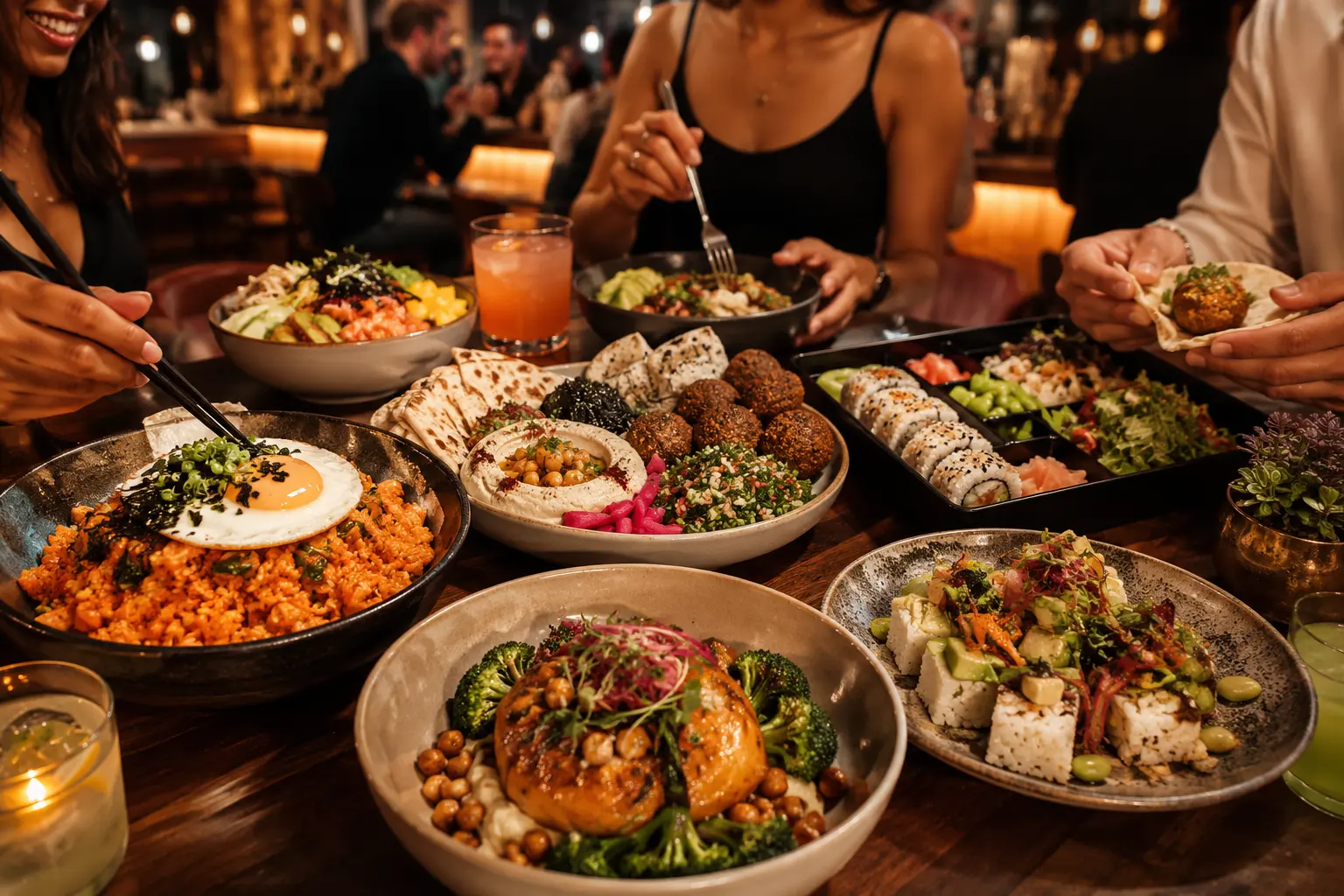
Food trends change every year, but 2026 is shaping up to be one of the most exciting years for cooking and dining. People are paying more attention to healthy eating, sustainability, convenience, and global flavors than ever before. At the same time, technology and social media continue to influence what people cook at home and order in restaurants.
From high-protein meals and plant-based dishes to AI-assisted kitchens and creative restaurant concepts, the food industry in 2026 is becoming smarter, faster, and more personalized. Consumers are no longer just looking for tasty meals — they want food that supports their lifestyle, health goals, and busy schedules.
In this guide, we’ll explore the biggest cooking and food trends in 2026, why they’re becoming popular, and how they are changing kitchens, restaurants, and everyday eating habits around the world.
Why Food Trends in 2026 Are Changing So Fast
The way people eat has changed dramatically over the last few years. Busy lifestyles, health awareness, food delivery apps, and social media platforms like TikTok and Instagram have all influenced what people want to eat.
In 2026, consumers are more informed than ever. They read labels, compare ingredients, and care about sustainability. At the same time, many people are trying to save time while still preparing delicious meals at home.
Several major factors are driving food trends this year:
- Growing interest in healthy lifestyles
- Demand for fast and easy meals
- Rising popularity of plant-based diets
- Interest in international flavors
- Smart kitchen technology
- Sustainable food choices
- Social media food culture
These changes are influencing both home cooking and the restaurant industry worldwide.
Healthy Food Trends Taking Over in 2026
Healthy eating remains one of the biggest food trends in 2026. However, people are now focusing on balance rather than strict dieting. Instead of avoiding entire food groups, consumers are choosing nutrient-rich meals that support energy, fitness, and mental well-being.
Modern healthy food is also becoming more flavorful and creative compared to previous years.
High-Protein Meals Are Everywhere
Protein-rich foods are dominating menus, grocery stores, and social media recipes. Fitness-focused consumers and busy professionals are choosing meals that keep them full longer and support muscle health.
Popular high-protein foods in 2026 include:
- Greek yogurt bowls
- Protein pasta
- Grilled chicken wraps
- Cottage cheese snacks
- Egg-based breakfast meals
- Protein smoothies
Restaurants are also adding protein-focused options to attract health-conscious customers.
Functional Foods Are Becoming Mainstream
Functional foods are foods that offer health benefits beyond basic nutrition. In 2026, people are increasingly interested in ingredients that improve digestion, sleep, immunity, and focus.
Some trending functional ingredients include:
- Probiotics
- Turmeric
- Matcha
- Adaptogenic mushrooms
- Chia seeds
- Collagen powder
Consumers now want meals that help them feel better physically and mentally.
Air Fryer Recipes Continue to Grow
Air fryers remain one of the most popular kitchen appliances in 2026. People love them because they make cooking faster and healthier while still creating crispy textures.
Trending air fryer foods include:
- Crispy vegetables
- Chicken tenders
- Salmon bites
- Sweet potato fries
- Healthy desserts
Social media creators continue sharing simple air fryer recipes that attract millions of views online.
Plant-Based and Vegan Foods Continue to Expand
Plant-based eating is no longer a niche lifestyle. In 2026, vegan and vegetarian meals are becoming more common in homes, cafes, and restaurants worldwide.
Many consumers are reducing meat consumption not only for health reasons but also for sustainability and environmental concerns.
Plant-Based Proteins Are More Advanced
One major trend in 2026 is the improvement in plant-based meat alternatives. New products taste better, contain cleaner ingredients, and have improved textures compared to earlier versions.
Popular plant-based protein sources include:
- Lentils
- Chickpeas
- Tofu
- Tempeh
- Mushroom-based meat
- Pea protein products
Restaurants are also offering creative vegan dishes instead of simple salads.
Vegan Comfort Foods Are Trending
People still want comfort food, but healthier versions are becoming more popular. Vegan comfort foods now include:
- Vegan burgers
- Dairy-free pizza
- Cashew mac and cheese
- Plant-based tacos
- Vegan ramen bowls
These dishes appeal not only to vegans but also to flexitarian consumers who occasionally avoid meat.
Sustainable Eating Matters More Than Ever
Consumers are increasingly supporting brands that focus on sustainability. Eco-friendly packaging, local ingredients, and reduced food waste are becoming major selling points.
Restaurants that highlight ethical sourcing and sustainable practices are gaining more customer attention in 2026.
Fast and Easy Home Cooking Trends in 2026
Busy lifestyles continue to shape modern cooking habits. Many people want meals that are quick to prepare but still healthy and flavorful.
As a result, convenient cooking trends are growing rapidly this year.
One-Pan and One-Pot Meals
Simple cooking methods are becoming increasingly popular because they save both time and cleanup effort.
Trending one-pan meals include:
- Chicken and rice skillets
- Pasta dishes
- Roasted vegetables
- Sheet pan salmon dinners
- Stir-fried noodles
People especially love recipes that can be prepared in under 30 minutes.
Meal Prep Culture Is Still Strong
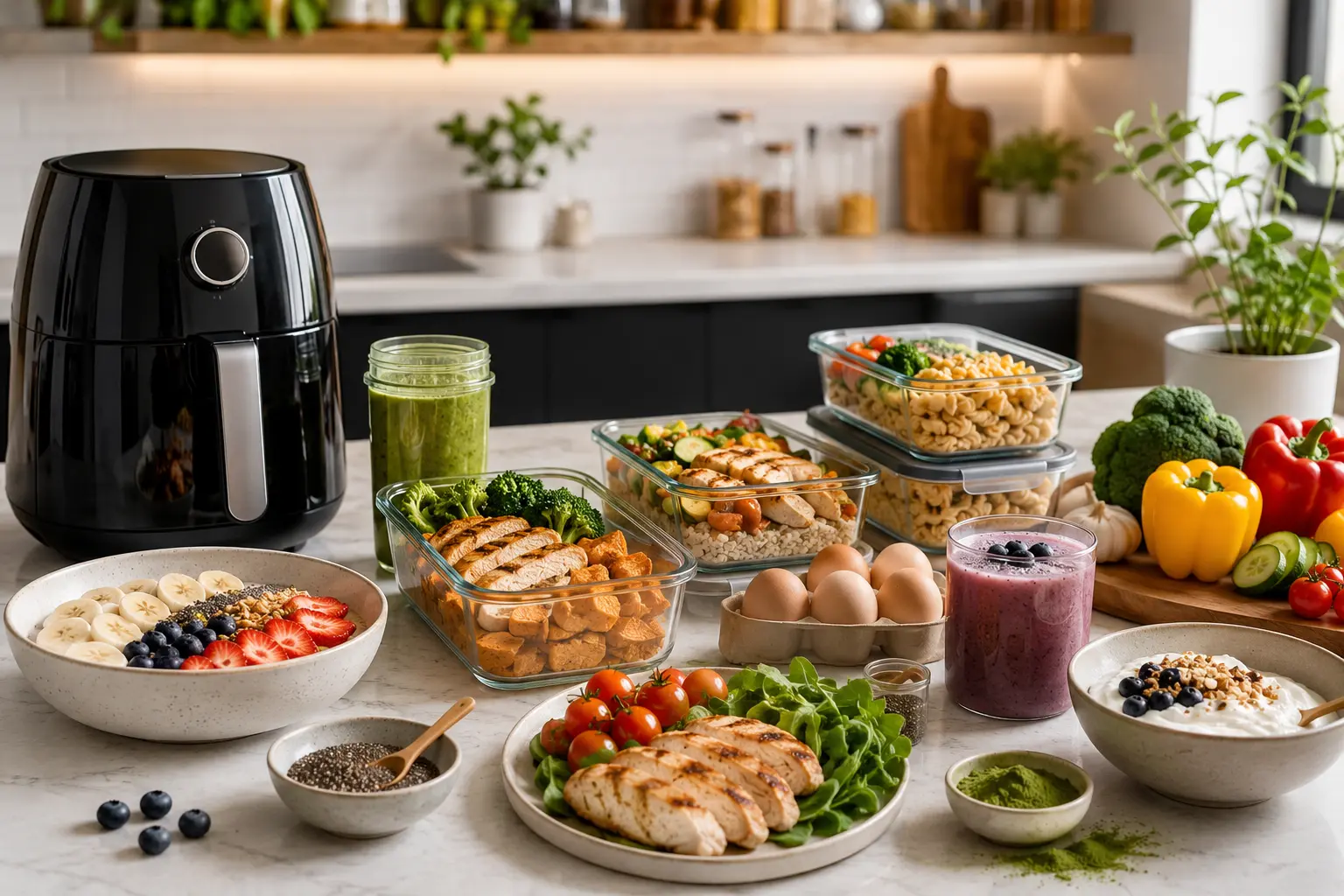
Meal prepping continues to help busy individuals stay organized and avoid unhealthy fast food.
Popular meal prep foods include:
- Overnight oats
- Rice bowls
- Grilled chicken containers
- Pasta salads
- Protein snack boxes
Social media influencers are also making meal prep more visually appealing and easier to follow.
Frozen Foods Are Becoming Healthier
Frozen foods are improving in quality, ingredients, and nutrition. In 2026, many frozen meals contain fewer preservatives and more natural ingredients.
Healthy frozen food trends include:
- Frozen smoothie packs
- Organic frozen meals
- High-protein frozen breakfasts
- Vegetable-based frozen snacks
Consumers appreciate the convenience without sacrificing quality.
Global Flavors Are Influencing Home Cooking
International cuisine continues to inspire food lovers around the world. Social media and travel culture have introduced people to flavors they may never have tried before.
In 2026, home cooks are experimenting with ingredients and recipes from different cultures.
Korean Food Remains Extremely Popular
Korean flavors continue to dominate social media and restaurant menus.
Popular Korean-inspired foods include:
- Kimchi fried rice
- Korean fried chicken
- Tteokbokki
- Bulgogi bowls
- Spicy ramen
The combination of spicy, sweet, and savory flavors appeals to younger consumers especially.
Middle Eastern Cuisine Is Growing Globally
Middle Eastern food is becoming one of the biggest global food trends in 2026. Dishes from countries like Lebanon, Turkey, and the UAE are attracting international attention.
Trending Middle Eastern foods include:
- Shawarma
- Hummus bowls
- Falafel wraps
- Grilled kebabs
- Manakish
These foods are loved for their rich flavors and fresh ingredients.
Japanese-Inspired Minimalist Meals
Japanese food trends continue growing because people appreciate their balance, simplicity, and presentation.
Popular Japanese-inspired meals include:
- Sushi bowls
- Matcha desserts
- Bento boxes
- Miso soups
- Rice sandwiches
Minimalist food aesthetics are also influencing restaurant presentation styles.
Restaurant Trends Shaping the Food Industry in 2026
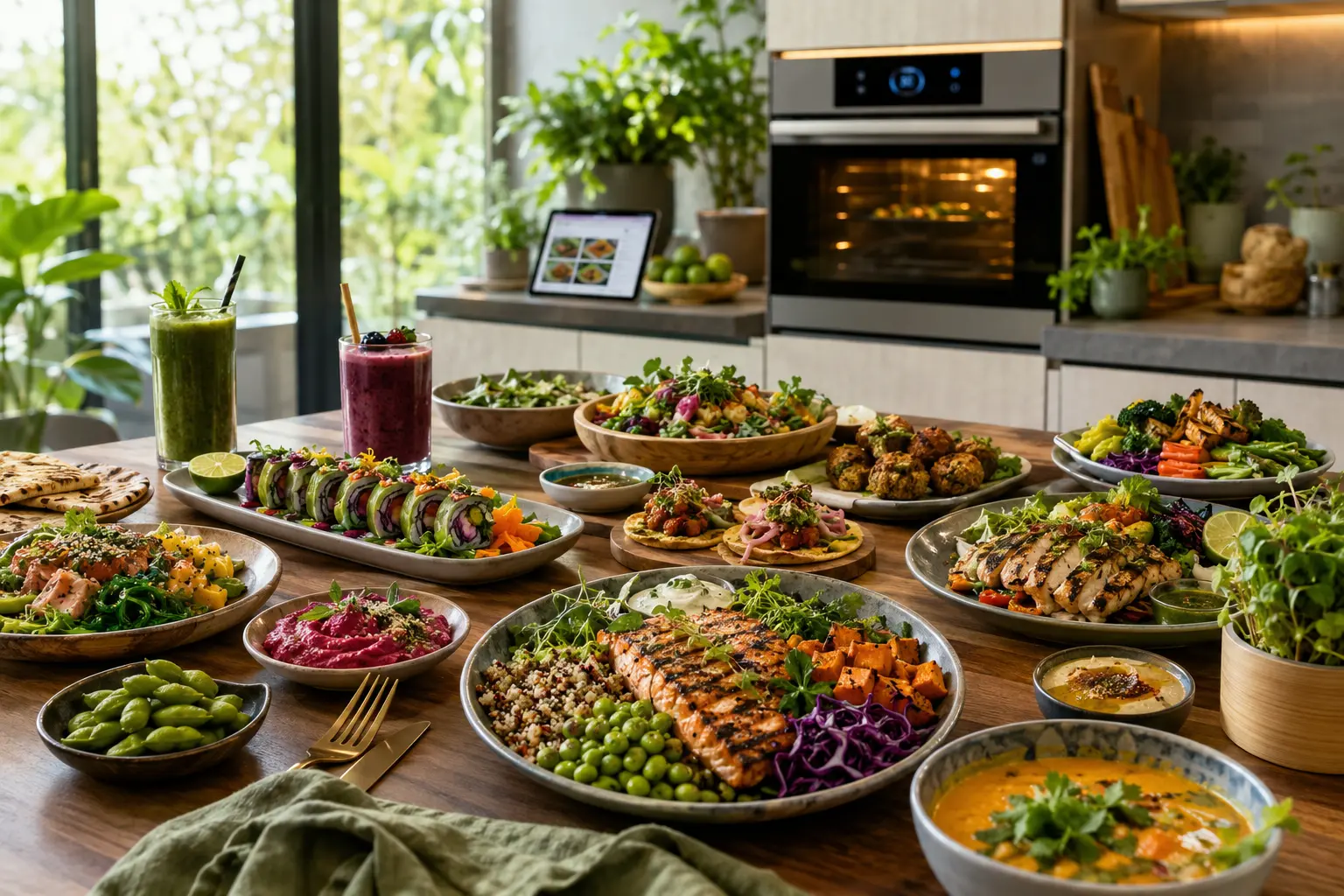
Restaurants are evolving quickly to match changing consumer expectations. In 2026, diners want more than just good food — they want memorable experiences, healthier menus, and digital convenience.
Interactive Dining Experiences
Restaurants are focusing more on entertainment and customer interaction.
Popular concepts include:
- Open kitchens
- Chef tasting menus
- DIY grilling tables
- Immersive dining themes
- Live cooking stations
People enjoy restaurants that feel social and unique.
AI and Smart Technology in Restaurants
Technology is transforming the restaurant industry.
Some restaurants now use:
- AI-powered ordering systems
- Digital menus
- Robot food delivery
- Smart kitchen automation
- Personalized food recommendations
These technologies improve speed and customer experience.
Smaller Menus With Better Quality
Many successful restaurants are reducing menu sizes to focus on quality and consistency.
Smaller menus help restaurants:
- Reduce food waste
- Improve ingredient freshness
- Maintain consistent quality
- Simplify kitchen operations
Consumers now often prefer quality over endless menu options.
Healthy Restaurant Menus
Restaurants are increasingly offering healthier alternatives.
Trending healthy menu options include:
- Low-carb meals
- Gluten-free dishes
- High-protein bowls
- Plant-based desserts
- Sugar-free beverages
Customers want healthier choices without sacrificing flavor.
Social Media’s Influence on Food Trends
Social media continues to play a massive role in shaping food culture. Viral recipes can become global trends within days.
Platforms like TikTok, Instagram, and YouTube influence:
- Restaurant popularity
- Recipe trends
- Cooking hacks
- Food presentation styles
- Ingredient demand
Many restaurants now create dishes specifically designed to look attractive in social media videos and photos.
Smart Kitchen Technology in 2026
Technology is changing how people cook at home. Smart kitchens are becoming more common as appliances become more affordable and connected.
Popular Smart Kitchen Gadgets
Some of the most popular kitchen technologies in 2026 include:
- Smart ovens
- Wi-Fi coffee machines
- AI cooking assistants
- Smart refrigerators
- Voice-controlled appliances
These tools help users save time and improve cooking accuracy.
Recipe Apps and AI Meal Planning
AI-powered meal planning apps are helping users choose recipes based on dietary needs, available ingredients, and cooking skill level.
Many apps can now:
- Suggest recipes instantly
- Create grocery lists
- Track calories
- Recommend healthier alternatives
This makes home cooking easier for beginners and busy families.
Food Sustainability Trends in 2026
Sustainability is becoming one of the most important topics in the food industry.
Consumers are increasingly aware of food waste and environmental impact.
Local Ingredients Are More Popular
People are supporting local farms and seasonal ingredients more often than before.
Benefits include:
- Fresher food
- Reduced transportation pollution
- Support for local businesses
- Better ingredient quality
Farm-to-table dining is continuing to grow globally.
Reducing Food Waste
Restaurants and consumers are finding creative ways to reduce waste.
Popular strategies include:
- Composting
- Smaller portions
- Reusing ingredients
- Zero-waste cooking
- Sustainable packaging
Eco-conscious consumers are rewarding brands that prioritize sustainability.
What Foods Will Be Most Popular in 2026?
Based on current trends, several foods are expected to dominate in 2026:
| Food Trend | Why It’s Popular |
|---|---|
| High-protein meals | Fitness and health goals |
| Plant-based foods | Sustainability and wellness |
| Korean cuisine | Bold flavors and social media |
| Air fryer recipes | Convenience and healthier cooking |
| Functional foods | Health benefits |
| Meal prep dishes | Busy lifestyles |
| Healthy frozen meals | Fast and practical |
These trends show that people want food that is both enjoyable and practical.
Final Thoughts
The biggest food trends in 2026 reflect changing lifestyles, health priorities, and technology. Consumers are looking for meals that are nutritious, convenient, sustainable, and exciting at the same time.
Healthy eating, plant-based meals, global flavors, smart kitchens, and interactive restaurant experiences are all shaping the future of food. Whether you enjoy cooking at home or exploring new restaurants, 2026 offers endless opportunities to try something new.
As food culture continues evolving, one thing is clear: people no longer want food that is only delicious they want food that fits their lifestyle, values, and daily routines.