The 2026 FIFA World Cup will begin on Thursday with the largest field in tournament history, as 48 teams prepare to compete across the United States, Canada and Mexico. The expanded format is designed to make the tournament more global, but it also changes the traditional idea of a “Group of Death.”
In past World Cups, the Group of Death usually referred to a group packed with several elite teams, where even a major football nation could be at risk of early elimination. In 2026, that definition is harder to apply. With more teams in the competition and more paths into the knockout stage, there may not be one group that clearly stands above all others in difficulty.
Why the Group of Death Is Different in 2026
The group stage still follows the same basic structure. Each team plays the other teams in its group once, with three points awarded for a win, one point for a draw and no points for a defeat. The table is then decided by points and, if needed, tiebreakers such as goal difference and goals scored.
However, the expanded tournament format makes qualification slightly more forgiving. Previously, only the top two teams in each group advanced. In 2026, the top two teams will still move forward, but they will be joined by the eight best third-place teams. That means a difficult group is still dangerous, but not as unforgiving as it once was.
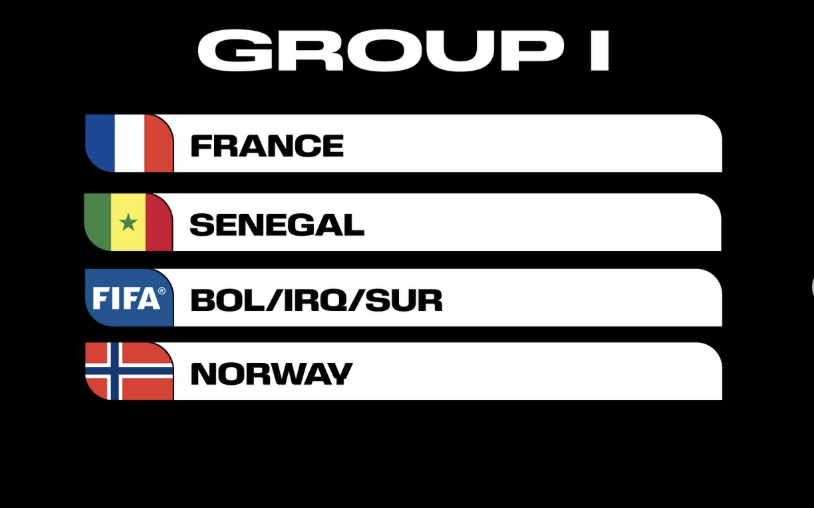
Even so, one group appears to be the strongest candidate for the 2026 Group of Death: Group I, featuring France, Senegal, Iraq and Norway.
Why Group I Looks Like the Toughest Group
Group I stands out because it combines star power, strong national teams and a dangerous underdog. France enter the tournament as one of the main contenders, with Kylian Mbappé leading one of the most talented attacks in world football. Norway bring Erling Haaland, one of the most feared goal scorers in the game, while Senegal remain one of Africa’s strongest and most experienced teams.
Iraq are the lowest-profile side in the group, but they should not be dismissed. Under coach Graham Arnold, the team has shown signs of progress and qualified for the World Cup for the first time since 1986. In a group with three physically strong and tactically demanding opponents, Iraq will likely be under pressure, but they could still make matches uncomfortable.
Group I Fixtures and Early Predictions
France and Senegal are expected to open the group with one of the most competitive early matches. Senegal’s strength, discipline and tournament experience could make them difficult for France to break down, while France’s attacking quality should give them enough chances to avoid defeat. Norway, meanwhile, may have a more comfortable start against Iraq if Haaland and the supporting attack find space early.
Projected Group I Table
Based on these predictions, France would finish top of the group with seven points, while Norway would likely take second place. Senegal could still have a chance to advance as one of the best third-place teams, especially if three draws are enough under the final ranking conditions. Iraq would need at least one major surprise result to stay alive.
France Remain the Team to Beat
France are the clear favourites to win Group I. Les Bleus have the depth, experience and attacking quality needed to handle a difficult group, even if they are unlikely to have an easy path. With Mbappé leading the attack and a squad filled with high-level talent, France are expected to be among the strongest teams in the tournament.
Their recent World Cup record also makes them difficult to ignore. France have reached the final in each of the last two editions, winning in 2018 and finishing as runners-up in 2022. Even if they enter the tournament with some questions after recent setbacks, their squad remains strong enough to challenge for the title again.
Norway and Senegal Can Both Cause Problems
Norway’s hopes will naturally depend heavily on Erling Haaland. His scoring ability gives Norway a chance in almost any match, especially if the team can create enough service for him in dangerous areas. However, Norway may not have the same overall depth as France or the tournament experience of Senegal, which could make the final match against France especially difficult.
Senegal, meanwhile, are experienced, physical and balanced. They have enough quality to frustrate both France and Norway, and they are capable of turning tight matches into points. Their challenge will be converting strong performances into wins, especially in a group where draws may keep them alive but may not guarantee automatic qualification.
Iraq Face the Toughest Task
Iraq enter Group I as the underdog, but their return to the World Cup is already a major achievement. The team will need defensive discipline, strong goalkeeping and clinical finishing to have any chance of advancing. Their best opportunity for points may come against Senegal, though even that match will be difficult.
Still, Iraq could play an important role in shaping the group. If they hold one of the favourites to a draw or keep matches close, the final table could become far more complicated. In a group where every point matters, even the underdog can influence who advances.

Final Outlook
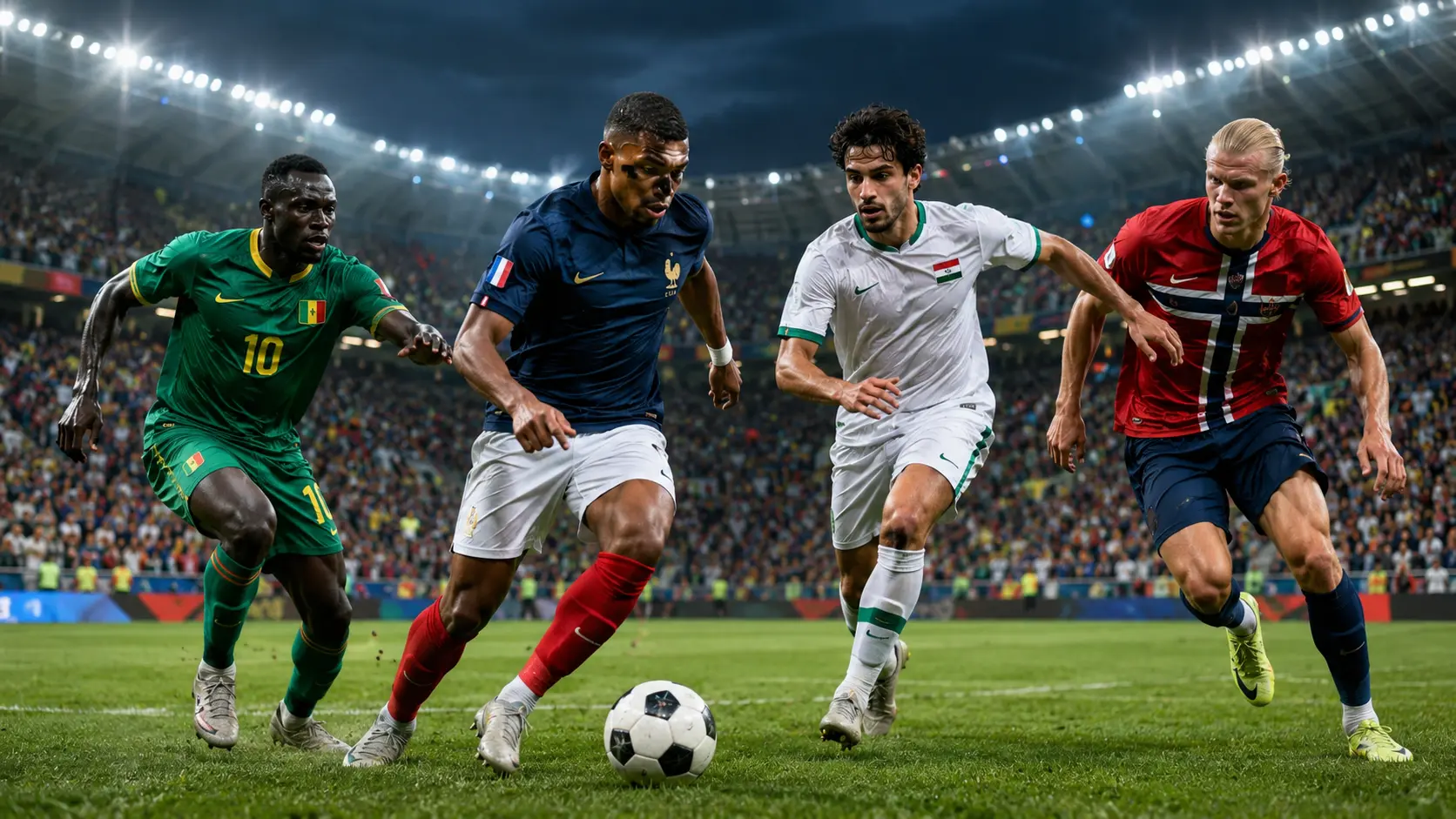
Group I may not be a classic Group of Death in the old sense, but it looks like the most balanced and difficult group of the 2026 World Cup. France are the favourites, Norway have one of the world’s best strikers, Senegal bring tournament experience and Iraq add an unpredictable underdog element.
The expanded format means all hope is not lost for the third-place team, but the group still promises pressure, star power and several matches that could shape the early story of the tournament. If one group deserves the Group of Death label in 2026, Group I has the strongest claim.