
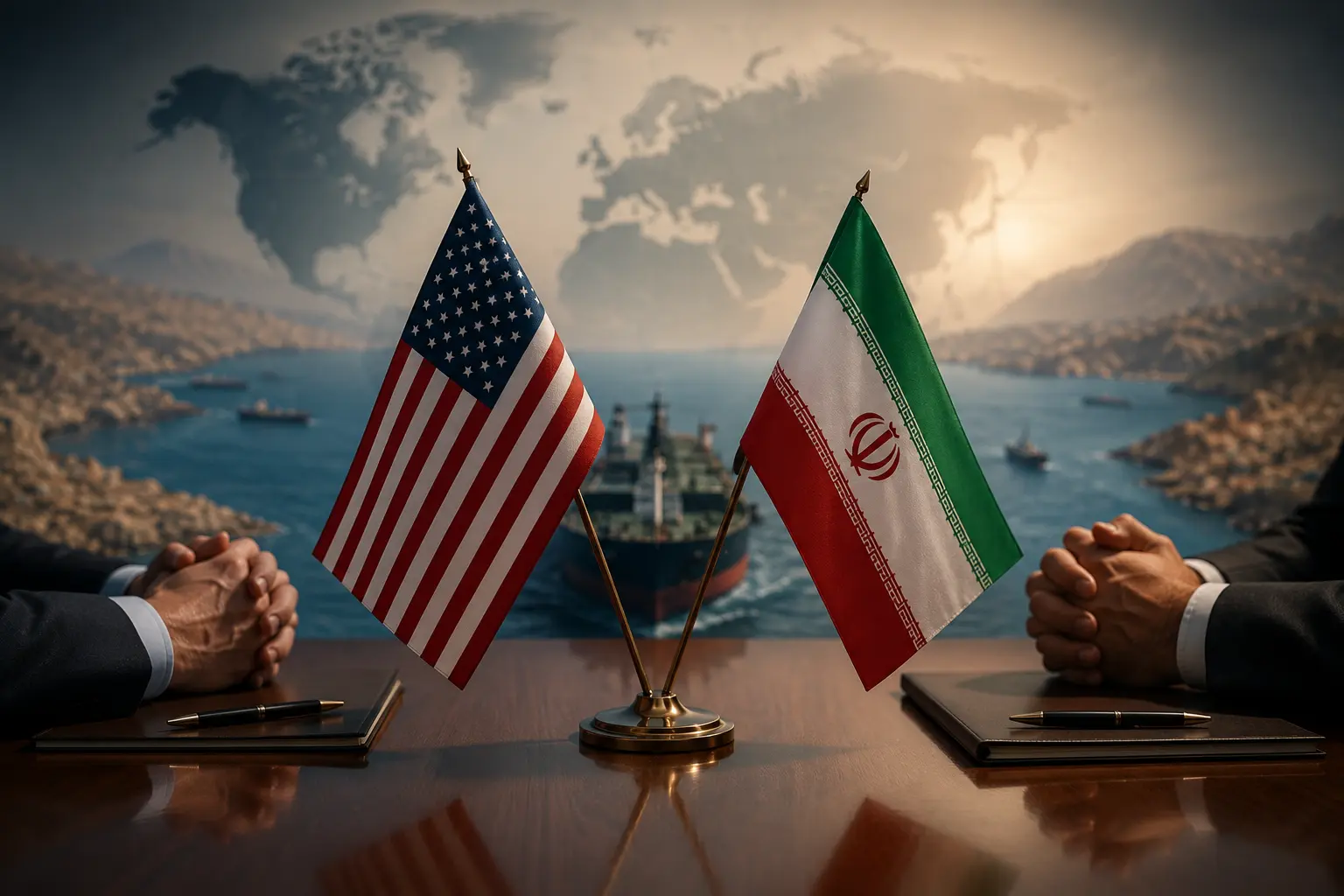
US President Donald Trump has urged American negotiators to avoid rushing into an agreement with Iran, even as diplomatic efforts continue around a possible framework aimed at reducing regional tensions and reopening the Strait of Hormuz.
The comments came on Sunday, May 24, 2026, after growing expectations that Washington and Tehran were moving closer to an initial understanding. Trump said discussions were progressing, but stressed that any agreement must be carefully completed and formally signed before the United States changes its current position. The developments come after weeks of conflict and disruption affecting regional security, maritime navigation and global energy markets. A possible deal is now being discussed as a route toward wider de-escalation, although important differences remain unresolved.
Trump Says the US Will Only Accept the Right Deal
In a series of statements on Sunday, Trump said he had instructed his representatives not to hurry negotiations with Iran, arguing that there could be no room for error in any final agreement. Later, in a post on Truth Social, he said that any agreement reached under his administration would need to be a strong and appropriate deal, while adding that the details had not yet been fully negotiated.
Trump also said the US blockade involving Iran would remain in effect until an agreement is reached, verified and signed. His remarks appeared to lower expectations of an immediate breakthrough, after earlier reports suggested that an announcement could be close.
Strait of Hormuz at the Centre of Discussions
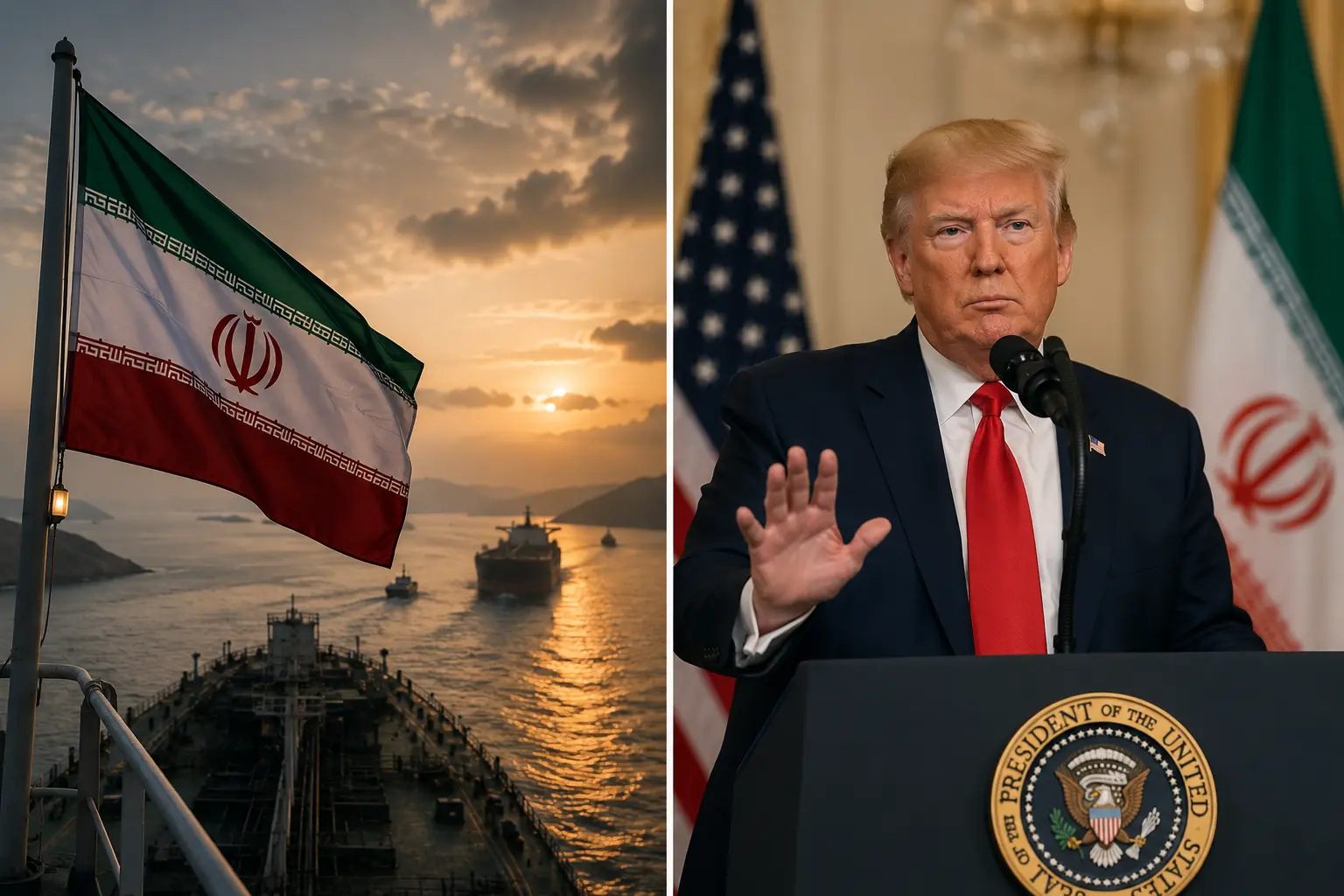
One of the most important issues in the negotiations is the future of the Strait of Hormuz, a vital route for global energy shipments. Trump had earlier said that a proposed agreement would include reopening the strategic waterway. The move would be closely watched by international markets, given the impact that disruption in the Strait has had on oil supplies, shipping and broader economic confidence.
According to reports cited during the negotiations, a possible initial framework could involve steps to restore normal shipping through the Strait over a defined period, alongside changes to restrictions affecting Iranian ports and oil exports. However, Iranian media reported that Tehran’s position on navigation in the waterway remained linked to the implementation of US commitments.
Sanctions and Frozen Iranian Funds Remain Key Issues
Economic measures are also central to the talks. Reports indicated that the United States may be open to discussing sanctions relief and the unfreezing of Iranian assets as part of a broader negotiating process. Iranian reports said access to blocked funds remained an important condition in any early understanding.
However, the status of those measures remains uncertain while negotiations continue. Iran’s Tasnim News Agency reported on Sunday that the potential agreement could face difficulties if disagreements over key clauses are not resolved.
Nuclear Issue Still a Major Challenge
Iran’s nuclear programme remains one of the most sensitive areas in the discussions. Reports from Iranian sources suggested that the nuclear question may not be fully resolved in an initial agreement and could instead be addressed in later negotiations. Other reports said Washington is seeking commitments related to Iran’s stockpile of highly enriched uranium and the future of its enrichment activity.
Trump has maintained that Iran must not be allowed to develop or acquire a nuclear weapon. Israeli Prime Minister Benjamin Netanyahu also said that he and the US president agreed any final arrangement must remove the nuclear threat posed by Iran.
Rubio Says Complex Agreement Needs Time
US Secretary of State Marco Rubio also cautioned against expecting a rapid conclusion. Speaking on Sunday, Rubio said nuclear negotiations are highly technical and cannot be settled within a few days through a rushed process. He said several countries in the region support the diplomatic approach currently being pursued.
In subsequent comments, Rubio said the United States would continue seeking a strong agreement with Iran, but warned that Washington could consider other options if diplomacy fails.
Regional Leaders Watch Negotiations Closely
The negotiations have drawn close attention from governments across the Middle East and beyond. UAE President Sheikh Mohamed bin Zayed Al Nahyan participated in a joint phone call with leaders from the United States, Pakistan, Türkiye, Saudi Arabia and Qatar to discuss regional developments and diplomatic efforts aimed at supporting security and stability.
Oman also continued diplomatic engagement, with Foreign Minister Badr Albusaidi reporting discussions with Iranian Deputy Foreign Minister Kazem Gharibabadi. Albusaidi said Oman would continue supporting efforts to reduce tensions and protect freedom of navigation. Meanwhile, British Prime Minister Keir Starmer and European Commission President Ursula von der Leyen welcomed signs of progress, while stressing that any agreement should restore unrestricted navigation through the Strait of Hormuz and prevent Iran from obtaining nuclear weapons.
Lebanon Becomes Part of Wider Regional Debate
The discussions have also raised questions about whether developments in Lebanon could be included in a wider regional settlement. Naim Qassem, the leader of Hezbollah, expressed hope that any US-Iran agreement would also bring an end to hostilities involving Lebanon. However, he rejected calls for Hezbollah to disarm and criticised direct negotiations between Lebanon and Israel.
At the same time, US Secretary of State Marco Rubio accused Hezbollah of trying to pull Lebanon back into instability, while Netanyahu said Israel would maintain its ability to respond to threats on all fronts, including Lebanon.
No Final Agreement Yet
Despite signs of diplomatic movement, no final agreement had been announced by the end of May 24, 2026. The day began with growing optimism over a possible deal, but Trump’s comments urging caution and Iranian reports about unresolved clauses made clear that negotiations still face major obstacles.
The central issues remain the reopening of the Strait of Hormuz, sanctions relief, access to frozen Iranian assets, nuclear guarantees and the wider regional security situation. For now, the talks appear to be continuing, but Trump’s message to his negotiating team was clear: any agreement with Iran must be completed carefully rather than quickly.