Cryptocurrency is no longer a niche industry. Governments are now competing to attract blockchain startups, Web3 founders, crypto exchanges, investors, and digital asset wealth.
But being “crypto-friendly” is not only about low taxes. The best jurisdictions combine clear regulations, low or favorable crypto taxation, strong banking access, easy company formation and residency options, government support for innovation, and real-world adoption of digital assets.
In 2026, the most crypto-friendly countries are not only those with the lowest tax rates. They are the countries building full digital asset ecosystems.
What Makes a Country Crypto-Friendly?
A crypto-friendly country is not simply a place where crypto taxes are low. Tax matters, but it is only one part of the equation.
For traders, founders, exchanges, and investors, a strong crypto jurisdiction usually needs:
- Clear crypto regulation
- Low or favorable taxation on crypto gains
- Strong banking access
- Easy company formation
- Practical residency pathways
- Government support for blockchain and Web3 innovation
- Real-world adoption of digital assets
- Access to capital, investors, and global markets
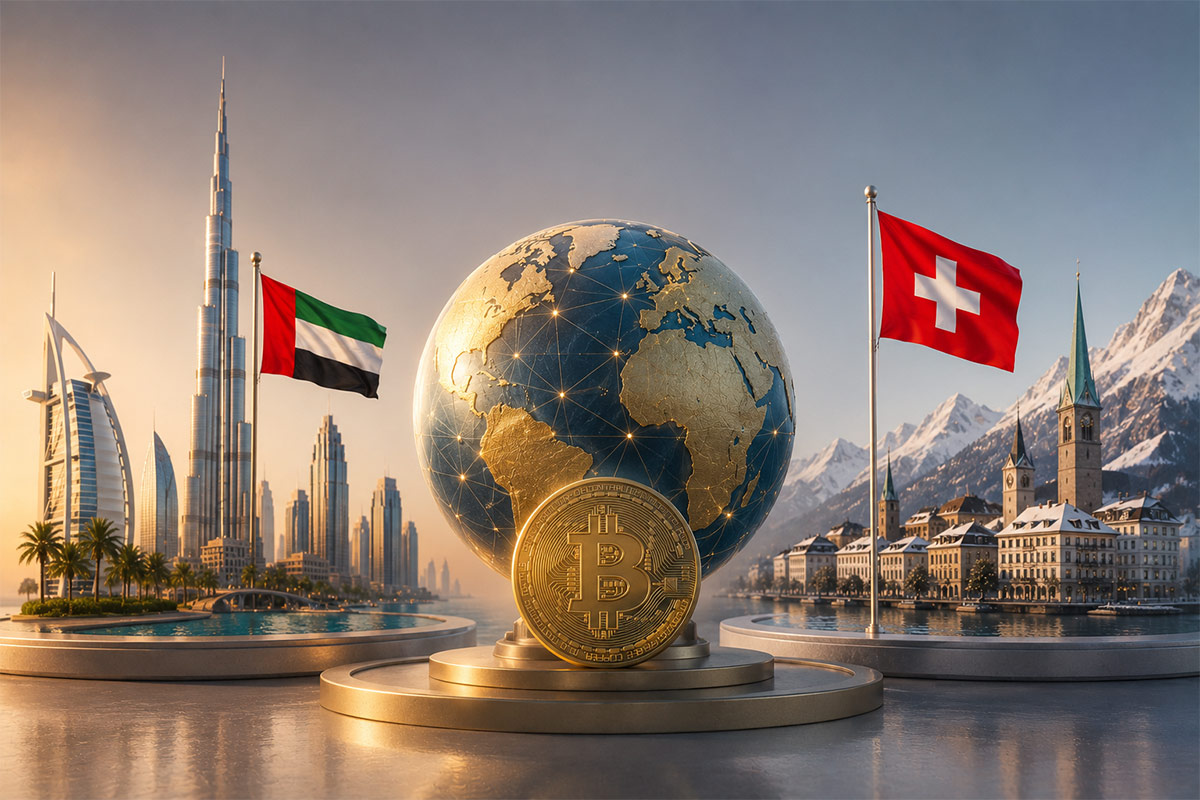
This is why countries like the UAE, Switzerland, Singapore, and Hong Kong stand out. They do not only offer tax advantages. They also offer infrastructure, credibility, and regulatory clarity.
1. United Arab Emirates: The New Capital of Crypto
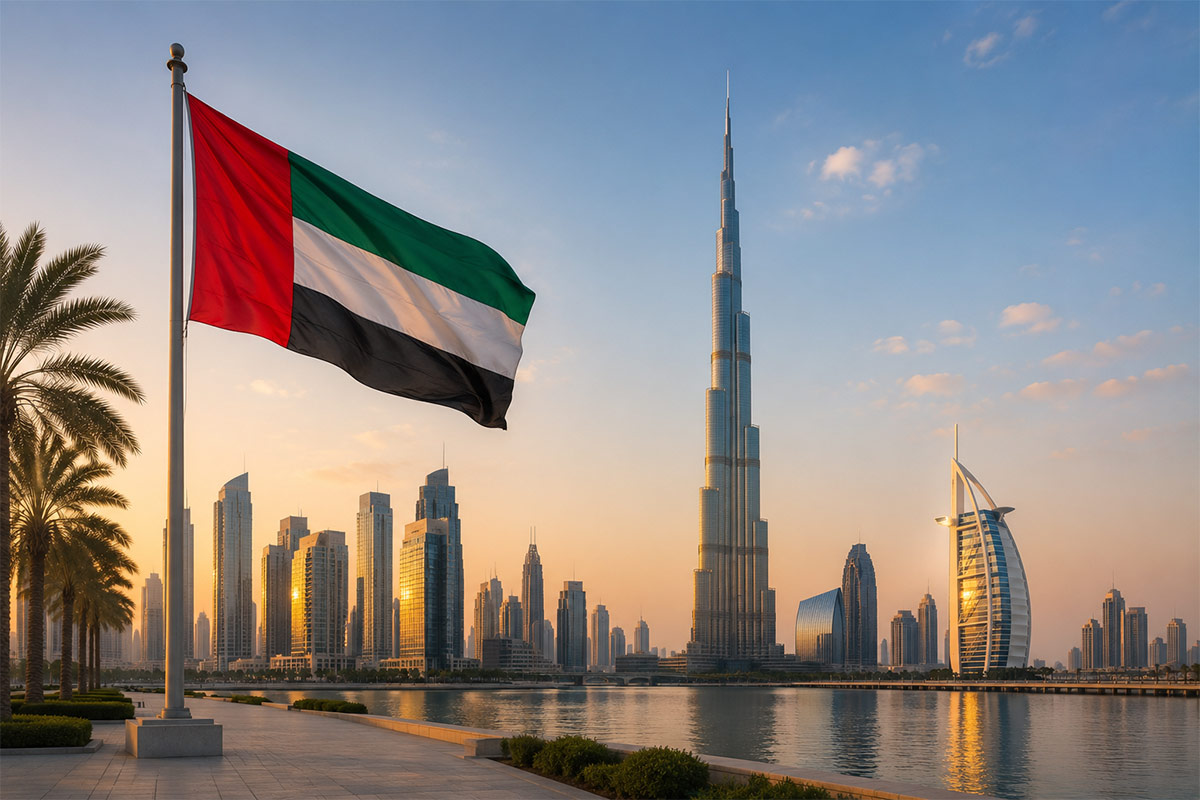
The United Arab Emirates, especially Dubai, has become one of the world’s leading hubs for cryptocurrency, blockchain, and Web3 businesses.
Dubai’s advantage is not only tax. It is the full ecosystem. The city has created dedicated regulation for virtual assets through the Virtual Assets Regulatory Authority, known as VARA, which oversees the provision, use, and exchange of virtual assets in and from Dubai.
The UAE has taken a pragmatic approach toward crypto: regulate it instead of banning it. That strategy has helped Dubai become a global destination for traders, founders, hedge funds, exchanges, and digital asset entrepreneurs.
Why the UAE Stands Out
The UAE is attractive because it combines tax efficiency, business infrastructure, residency options, and government support for innovation.
Key advantages include:
- No personal income tax for individuals
- No capital gains tax for many individual investors
- Dedicated crypto regulation in Dubai through VARA
- Presence of major global crypto companies and exchanges
- Strong investor, banking, and business setup ecosystem
- Residency pathways through business setup, employment, property, or investment
- Growing real-world interest in crypto payments and digital asset services
The UAE’s corporate tax system should still be considered for companies, because business profits may fall under corporate tax rules depending on the structure and activity. The UAE government describes corporate tax as a direct tax on the net income or profit of corporations and other entities.
Who the UAE Is Best For
The UAE is one of the strongest choices for people who want to combine crypto activity with lifestyle, business setup, residency, and access to international capital.
Best for:
- Crypto traders
- Web3 founders
- Digital asset companies
- Exchange operators
- High-income expats
- Investors seeking a business-friendly base
Possible limitation: banking and compliance can still be strict, especially for complex structures, high-risk jurisdictions, or unclear sources of funds.
2. Switzerland: The Safest Legal Environment for Crypto
Switzerland remains one of the most legally stable and institutionally respected jurisdictions for cryptocurrency.
The country’s famous “Crypto Valley” in Zug has attracted hundreds of blockchain companies and major crypto foundations. Switzerland’s biggest advantage is not speed or low cost. Its advantage is legal certainty, institutional credibility, and long-term financial stability.
For many private investors, capital gains on privately held crypto assets are generally exempt from income tax, although professional trading or business activity may be taxed differently.
Why Switzerland Stands Out
Switzerland is attractive because it gives crypto investors and companies a high-trust environment.
Key advantages include:
- Favorable treatment for many private crypto investors
- Transparent regulation under FINMA
- Strong crypto-friendly banking infrastructure
- High political and financial stability
- Strong reputation for institutional operations
- Deep experience with foundations, token projects, and blockchain companies
However, Switzerland is not the easiest or cheapest place to live or operate. Living costs are high, company operations can be expensive, and residency can be more difficult than in more flexible jurisdictions.
Who Switzerland Is Best For
Switzerland is best for serious investors and institutions that prioritize legal certainty and reputation over speed or low-cost setup.
Best for:
- Institutional investors
- Long-term crypto holders
- Wealth preservation
- Blockchain foundations
- High-net-worth individuals
- Regulated digital asset companies
Possible limitation: high living costs, expensive operations, and more difficult residency.
3. Singapore: Asia’s Financial-Tech Powerhouse
Singapore has built one of the world’s most advanced fintech and blockchain ecosystems. It is one of Asia’s most important financial centers and remains highly attractive for serious Web3 startups, digital asset companies, and institutional crypto businesses.
Singapore’s strength is regulation plus infrastructure. The Monetary Authority of Singapore has detailed licensing frameworks for digital token service providers, including eligibility criteria and application procedures.
Singapore is supportive of innovation, but it is not a loose or easy jurisdiction. Regulators are increasingly strict about licensing, compliance, anti-money laundering controls, and consumer protection.
Why Singapore Stands Out
Singapore is attractive because it combines financial credibility, venture capital, regulation, and regional access.
Major benefits include:
- No capital gains tax in many cases
- Advanced fintech infrastructure
- Strong banking access
- Deep venture capital ecosystem
- Political and economic stability
- Strong legal system
- Gateway position for Asia-Pacific markets
Singapore is especially useful for serious companies that want to operate in a regulated, respected, and institutionally credible market.
Who Singapore Is Best For
Singapore is best for serious Web3 companies and crypto businesses that can meet higher compliance standards.
Best for:
- Web3 startups
- Institutional crypto companies
- Venture-backed blockchain projects
- Asia-focused crypto firms
- Fintech founders
Possible limitation: licensing standards are strict, and small or underprepared crypto projects may struggle.
4. El Salvador: The Bitcoin Nation
El Salvador became globally famous after adopting Bitcoin as legal tender in 2021. However, its Bitcoin policy has changed over time. After IMF-related reforms, Bitcoin remains part of the country’s crypto identity, but its acceptance is no longer mandatory for merchants or tax payments.
Even with these changes, El Salvador remains one of the most symbolically important countries in the crypto world. It continues to appeal to Bitcoin supporters, crypto entrepreneurs, and investors who want ideological alignment with decentralized finance.
Why El Salvador Stands Out
El Salvador is attractive because of its strong Bitcoin branding and crypto-forward positioning.
Key advantages include:
- Strong Bitcoin-focused national identity
- Digital asset licensing framework
- Favorable treatment for certain digital asset activities
- Crypto-linked business and tourism appeal
- Strong ideological appeal for Bitcoin-focused investors
However, El Salvador is not as institutionally developed as Dubai, Singapore, or Switzerland. Banking access, international credibility, economic depth, and institutional infrastructure remain more limited.
Who El Salvador Is Best For
El Salvador is best for Bitcoin-focused entrepreneurs and investors who care about ideological alignment and early-mover positioning.
Best for:
- Bitcoin enthusiasts
- Crypto entrepreneurs
- Digital asset companies seeking alternative jurisdictions
- Investors interested in Bitcoin-focused ecosystems
Possible limitation: smaller financial ecosystem, higher perceived risk, and limited international banking infrastructure.
5. Portugal: Still Attractive for Long-Term Holders
Portugal was once considered Europe’s ultimate crypto tax haven. While the rules have changed, it remains attractive for many long-term holders and digital nomads.
Portugal introduced taxation for shorter-term crypto gains, but long-term holdings may still receive favorable treatment in many cases. Several tax guides describe short-term crypto gains as taxable while gains on crypto held for more than 365 days may remain tax-free in most cases.
Portugal’s appeal is not only tax. It also offers lifestyle, safety, European access, and relatively accessible residency pathways compared with some other Western European countries.
Why Portugal Stands Out
Portugal is attractive for people who want a European lifestyle with relatively friendly crypto treatment.
Key advantages include:
- Favorable treatment for many long-term crypto holders
- High quality of life
- Strong digital nomad appeal
- European Union access
- Relatively accessible residency options
- Large expat and remote-work community
However, Portugal is less attractive for short-term traders than it used to be. Active trading, professional crypto income, mining, or business activity may be treated differently from passive long-term holding.
Who Portugal Is Best For
Portugal is best for long-term investors and lifestyle-focused crypto holders rather than high-frequency traders.
Best for:
- Long-term crypto holders
- Digital nomads
- Remote entrepreneurs
- EU lifestyle seekers
- Investors who want a relaxed European base
Possible limitation: short-term trading and professional crypto activity may face higher taxes.
6. Hong Kong: Asia’s Crypto Comeback Story
Hong Kong has aggressively repositioned itself as a regulated crypto hub. Its strength is the combination of financial infrastructure, access to Asian capital, and a formal licensing framework for virtual asset trading platforms.
Hong Kong’s Securities and Futures Commission publishes official lists of licensed virtual asset trading platforms, showing the city’s move toward a regulated exchange environment.
Hong Kong also passed a stablecoin bill in 2025 to establish a licensing framework for fiat-referenced stablecoin issuers, strengthening its position in the digital asset market.
Why Hong Kong Stands Out
Hong Kong is attractive because of its financial market depth and access to Asian capital.
Advantages include:
- Licensed virtual asset trading platform framework
- Strong financial services infrastructure
- Access to Asian investors and capital markets
- Favorable tax environment for many investors
- Strong position as a gateway to regional markets
Challenges remain, especially around strict AML and KYC requirements, regulatory complexity, and geopolitical uncertainty connected to China.
Who Hong Kong Is Best For
Hong Kong is best for crypto companies targeting Asian markets and institutional capital.
Best for:
- Large crypto firms
- Asian market operators
- Institutional crypto companies
- Licensed exchanges
- Stablecoin and fintech projects
Possible limitation: geopolitical risk and strict compliance requirements.
7. Germany: Europe’s Best Country for Long-Term Crypto Holders
Germany has one of Europe’s most interesting tax models for crypto holders. One of its biggest advantages is that crypto assets held for more than one year may be sold tax-free by individuals, according to tax guidance and interpretation of Germany’s private sale rules.
This makes Germany especially attractive for disciplined long-term investors. It is less attractive for frequent traders, who may trigger taxable events within the one-year period.
Germany also offers a strong legal system, high institutional credibility, and growing blockchain adoption across parts of the financial sector.
Why Germany Stands Out
Germany is attractive because it rewards long-term holding behavior.
Key advantages include:
- Potential tax-free treatment after a one-year holding period for individuals
- Strong legal and financial system
- High institutional credibility
- Growing blockchain adoption
- EU market access
However, German bureaucracy can be complex, and short-term trading may create significant tax obligations.
Who Germany Is Best For
Germany is best for long-term crypto holders who prefer legal certainty and are willing to deal with bureaucracy.
Best for:
- Long-term crypto holders
- EU-based investors
- Disciplined buy-and-hold investors
- People who value legal certainty
Possible limitation: bureaucracy and taxation on short-term trading.
Overall Comparison of the Most Crypto-Friendly Countries
| Country | Crypto Tax Position | Regulatory Quality | Banking Access | Best For |
|---|---|---|---|---|
| UAE | Very favorable for individuals; companies must consider corporate tax | Excellent | Excellent | Traders and Web3 companies |
| Switzerland | Favorable for many private investors | Exceptional | Exceptional | Institutional investors and wealth preservation |
| Singapore | Generally favorable; strong compliance expectations | Very strong | Excellent | Web3 startups and institutional crypto firms |
| El Salvador | Very crypto-forward, especially for Bitcoin and licensed digital asset activity | Moderate | Limited | Bitcoin-focused entrepreneurs |
| Portugal | Favorable for many long-term holders | Good | Good | Digital nomads and long-term holders |
| Hong Kong | Favorable for many investors | Strong | Excellent | Asian market access and licensed platforms |
| Germany | Potentially tax-free after one year for individuals | Strong | Good | Long-term holders |
Who Will Dominate the Future of Crypto?
Over the next five years, the strongest crypto hubs are likely to remain:
- United Arab Emirates
- Singapore
- Switzerland
- Hong Kong
These countries are not only competing on tax. They are competing on infrastructure.
The future of crypto will not be determined only by zero-tax promises. It will be shaped by:
- Institutional trust
- Banking integration
- Access to capital
- Regulatory clarity
- Global business infrastructure
- Residency and company formation pathways
- Real-world adoption of digital assets
That is why the strongest crypto jurisdictions in 2026 are not just tax havens. They are complete digital asset ecosystems.
FAQ About Crypto-Friendly Countries
- What is the most crypto-friendly country in 2026?
The UAE is one of the strongest crypto-friendly countries in 2026 because it combines favorable taxation for individuals, dedicated regulation through VARA in Dubai, strong business setup options, residency pathways, and a growing digital asset ecosystem.
- Is Dubai crypto-friendly?
Yes, Dubai is considered highly crypto-friendly. It has a dedicated virtual asset regulator, a strong Web3 business ecosystem, and major global crypto companies operating in the region. However, compliance and banking checks can still be strict.
- Which country has the best crypto tax rules?
It depends on the type of investor. The UAE is highly attractive for many individuals because of its tax environment. Germany can be attractive for long-term holders because crypto held for more than one year may be tax-free for individuals. Switzerland may also be favorable for many private investors.
- Is Portugal still crypto-friendly?
Yes, Portugal is still crypto-friendly for many long-term holders, but it is no longer the simple crypto tax haven it once was. Short-term trading and professional crypto activity may be taxed differently.
- Is Singapore good for crypto startups?
Yes, Singapore is strong for serious crypto and Web3 startups, especially those that can meet high regulatory and compliance standards. It offers strong banking, venture capital access, and financial infrastructure.
- What is the best country for long-term crypto holders?
Germany, Switzerland, Portugal, and the UAE can all be attractive for long-term crypto holders, depending on tax residency, holding period, personal circumstances, and whether the activity is private or professional.