
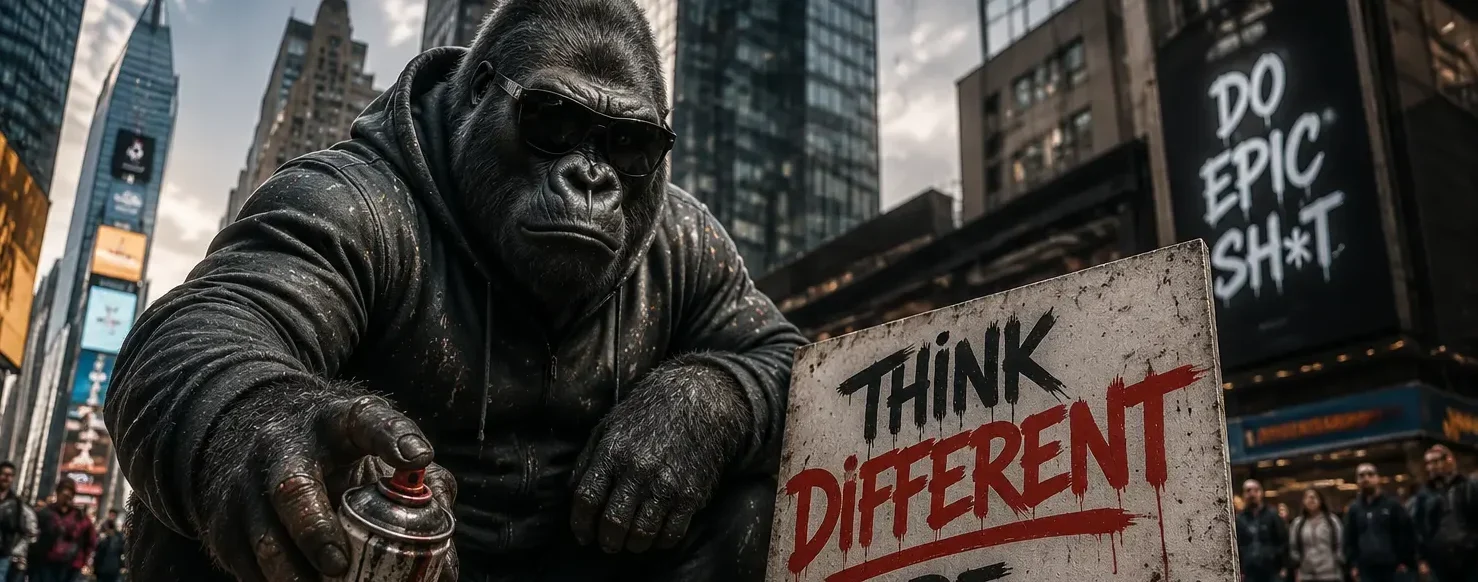
In a world where consumers are exposed to thousands of advertisements every day, traditional marketing methods are becoming less effective. Brands are now looking for creative ways to capture attention, create conversations, and build emotional connections with audiences. One of the most powerful approaches that changed modern advertising is Guerrilla Marketing.
Guerrilla Marketing is a creative marketing strategy that uses unconventional ideas, unexpected experiences, and memorable public interactions to promote a product, service, or brand. Instead of relying only on large advertising budgets, guerrilla campaigns focus on creativity, surprise, and the ability to generate organic attention. Some of the biggest brands in the world, including Netflix, Coca-Cola, IKEA, and Red Bull, have used guerrilla marketing campaigns to create viral moments that millions of people discussed online and offline.
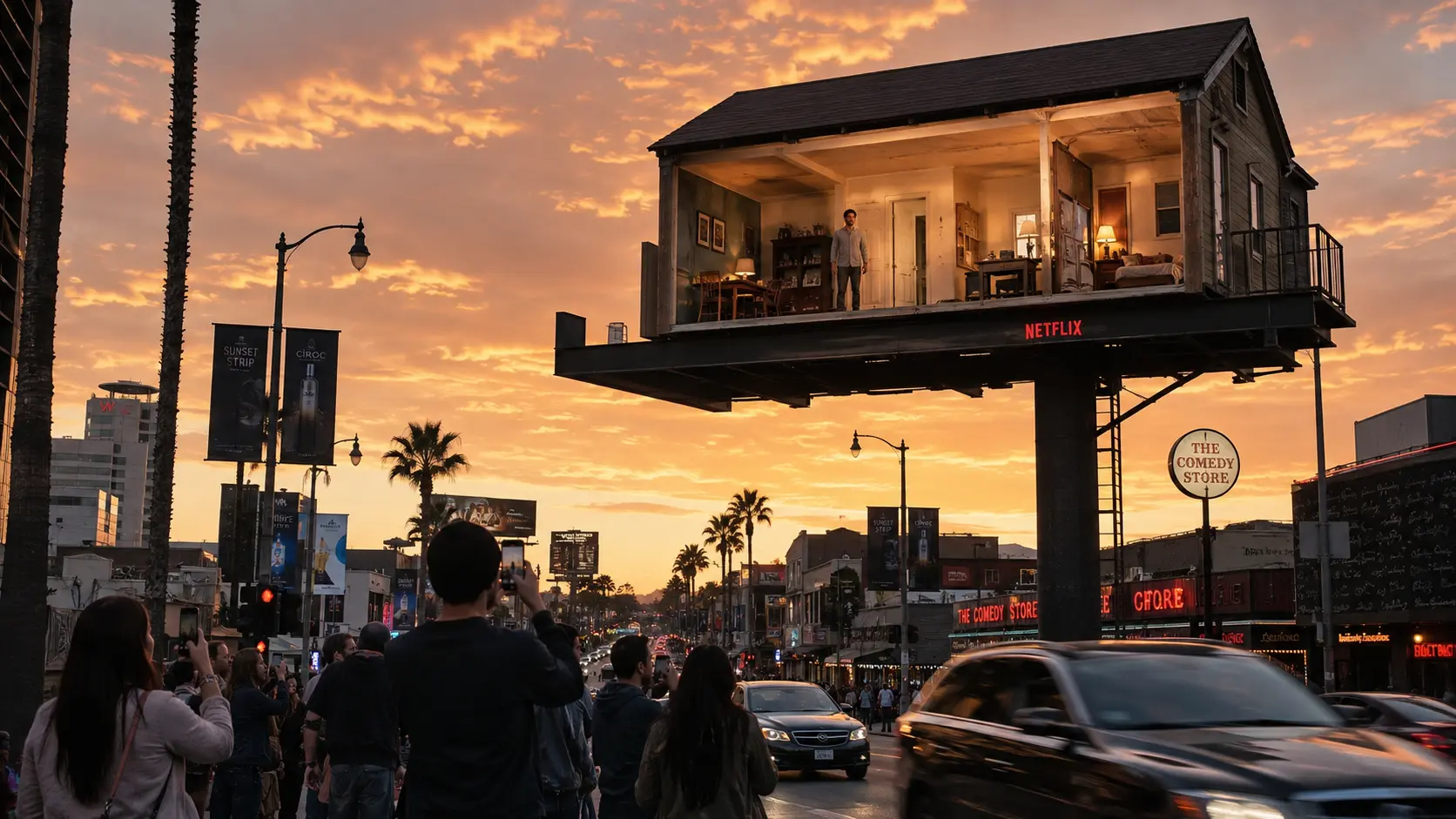
A recent example came from Netflix for the movie The Last House, where the company transformed a billboard into an interactive experience by placing a real person inside a house-like billboard above Sunset Boulevard in Hollywood. The person stayed inside the billboard structure, interacting with people passing by, turning a simple outdoor advertisement into a real-life event connected to the movie’s story.
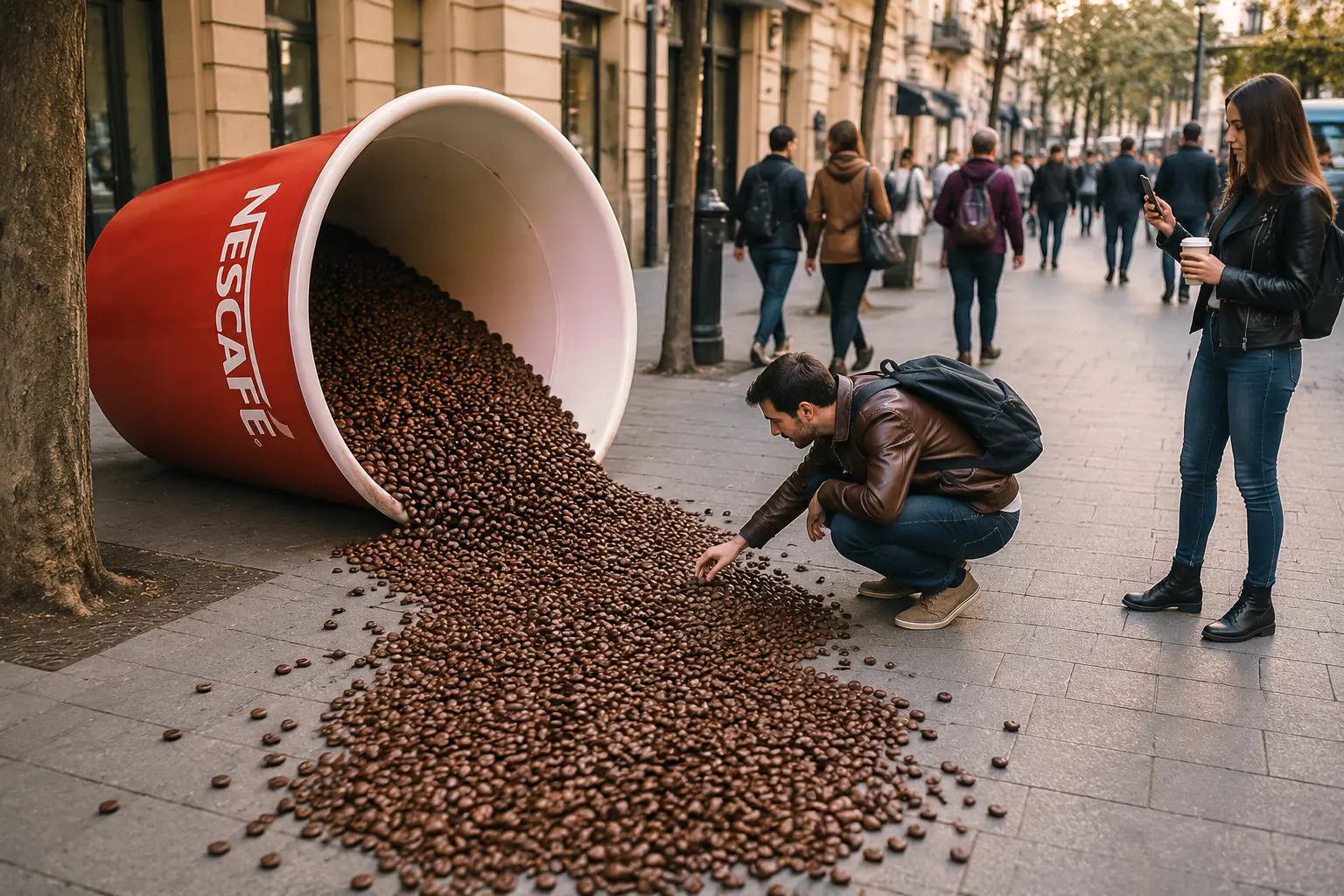
What Is Guerrilla Marketing?
Guerrilla Marketing is a marketing technique that focuses on using unexpected, innovative, and memorable methods to attract public attention. The concept is based on the idea that creativity can sometimes be more powerful than money. A small company with a unique idea can compete with large corporations by creating a campaign that people naturally want to share.
Unlike traditional advertising, where brands pay for exposure through TV commercials, billboards, or digital ads, guerrilla marketing attempts to make people become part of the marketing process.While paid advertising methods such as Google Ads Benefits can provide predictable reach, guerrilla marketing focuses more on creativity and organic attention.
Some common characteristics of guerrilla marketing include:
- Unexpected experiences: Campaigns appear in surprising places or formats.
- High creativity: The idea itself becomes the advertisement.
- Audience participation: Customers interact with the campaign.
- Viral potential: People share the experience on social media.
- Emotional connection: Campaigns create curiosity, humor, surprise, or excitement.
The main goal is not only to show an advertisement but to create a story that people remember.
Where Did Guerrilla Marketing Come From?
The term Guerrilla Marketing was introduced by marketing expert Jay Conrad Levinson in his 1984 book Guerrilla Marketing. Levinson borrowed the word “guerrilla” from military strategy, where smaller groups use unconventional tactics to compete against larger and stronger opponents. In marketing, the idea was similar:
A smaller business could compete with bigger companies by using:
- Creativity instead of huge budgets
- Innovation instead of traditional advertising
- Direct customer engagement instead of expensive media campaigns
Before digital platforms became popular, guerrilla marketing mainly appeared through:
- Street promotions
- Creative posters
- Public installations
- Flash mobs
- Unusual product placements
However, social media completely changed guerrilla marketing. Today, one creative campaign can reach millions of people worldwide within hours.Modern marketers are also using AI Tools for Digital Marketing to analyze audiences, create content ideas and improve campaign performance.
Why Did Guerrilla Marketing Become Popular?
The rise of guerrilla marketing happened because consumer behavior changed dramatically. People became less interested in traditional advertisements and more attracted to experiences, stories, and authentic content. Several factors helped guerrilla marketing become a global trend:
1. Advertising Became Too Competitive
Consumers see advertisements everywhere:
- Websites
- Social media platforms
- Streaming services
- Mobile apps
- Outdoor screens
Because of this advertising overload, brands needed new ways to stand out. A creative guerrilla campaign can interrupt normal behavior and make people pay attention.
2. Social Media Increased Viral Potential
Before social media, a local marketing stunt might only reach people nearby. Today, one person can record a creative campaign and share it with millions of users. Platforms like:
- TikTok
- YouTube
- X
have turned guerrilla marketing into a powerful viral tool.
3. Customers Prefer Experiences Over Advertisements
Modern consumers do not only want to buy products. They want experiences. Brands that create memorable moments often build stronger emotional relationships with their audiences. This is why guerrilla marketing is closely connected with:
- Experiential marketing
- Viral marketing
- Brand storytelling
Key Elements of Successful Guerrilla Marketing Campaigns
A successful guerrilla marketing campaign usually includes several important elements:
| Element | Explanation |
|---|---|
| Creativity | The campaign needs a unique and original idea |
| Surprise | People should not expect to see it |
| Emotional Impact | It should create curiosity, happiness, fear, or excitement |
| Shareability | People should want to post it online |
| Brand Connection | The idea must match the brand message |
3 Famous Guerrilla Marketing Campaigns That Became Global Successes
1. Netflix ، The Last House Billboard Campaign
Netflix is known for creating unconventional promotional campaigns, and The Last House campaign became another example of creative guerrilla marketing.Many successful movie promotions also use creative strategies to attract gaming and entertainment audiences, especially with the growth of Movies Based On a Video Game.
Instead of creating a normal movie billboard, Netflix built a house-like billboard installation above Sunset Boulevard in Hollywood. A real person was placed inside the structure, creating the impression that someone was actually living inside the advertisement.
The campaign connected directly with the movie’s storyline, where characters experience isolation and survival inside a home. The campaign attracted public attention because people did not simply see an advertisement; they saw something unusual happening in real life.
Why It Worked:
- It transformed a traditional billboard into an experience.
- It created curiosity among pedestrians.
- People shared photos and videos online.
- The campaign matched the movie theme perfectly.
2. Coca-Cola , Share a Coke Campaign
One of the most successful examples of personalized marketing came from Coca-Cola with its “Share a Coke” campaign. The company replaced its traditional logo on bottles with popular names, encouraging customers to find bottles with their own names or the names of friends. Instead of simply advertising a drink, Coca-Cola created a personal experience.
Why It Became Successful:
- Customers actively searched for personalized bottles.
- People shared photos on social media.
- The campaign encouraged conversations between consumers.
- A simple packaging change created massive engagement.
The campaign showed that marketing does not always need expensive technology; sometimes a simple emotional idea can create worldwide attention.
3. IKEA , Creative Public Space Campaigns
IKEA has frequently used guerrilla marketing techniques by transforming ordinary public spaces into demonstrations of its products. One famous example involved placing IKEA furniture in unusual locations such as subway stations and bus stops, allowing people to experience the comfort and practicality of IKEA products in everyday environments.
Why It Worked:
- It allowed customers to interact with products.
- It turned public spaces into brand experiences.
- It demonstrated product value without traditional advertising.
Types of Guerrilla Marketing
we have 3 types of guerrilla marketing as you can see in below.
1. Outdoor Guerrilla Marketing
Outdoor guerrilla marketing uses public spaces to create surprising experiences.
Examples:
- Creative billboards
- Street installations
- Public art
- Unexpected product displays
The Netflix billboard campaign is an example of this approach.
2. Viral Guerrilla Marketing
Viral guerrilla marketing focuses on creating content that people naturally share. Common formats include:
- Funny videos
- Challenges
- Unexpected events
- Social experiments
The goal is to make audiences become brand promoters.
3. Experiential Guerrilla Marketing
Experiential campaigns allow customers to interact directly with a brand. Examples:
- Product demonstrations
- Interactive installations
- Pop-up experiences
These campaigns create stronger memories because customers participate instead of only watching.
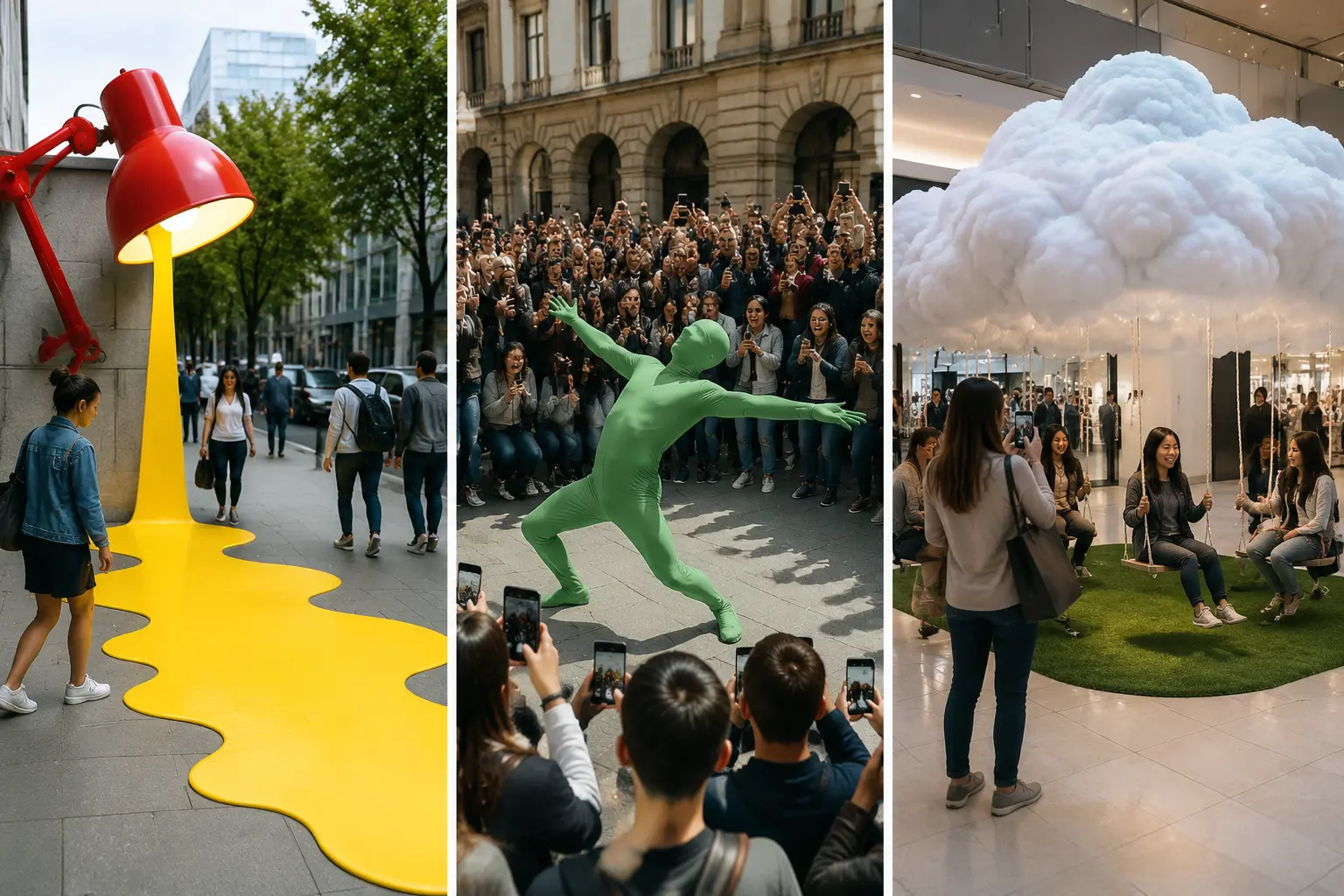
Advantages of Guerrilla Marketing
- Guerrilla marketing offers several benefits for brands:
- Lower Costs
- Many campaigns require more creativity than financial investment.
- High Brand Awareness
- A unique campaign can receive media coverage without paying for additional advertising.
- Strong Emotional Connection
- Memorable experiences create stronger relationships with customers.
- Social Media Growth
- People naturally share unusual and creative ideas.
- Competitive Advantage
- Small businesses can compete with larger companies through innovation.
Challenges of Guerrilla Marketing
Although guerrilla marketing can be highly effective, it also has risks.
Possible Challenges:
- The campaign may be misunderstood.
- Public reactions can be unpredictable.
- Some campaigns require legal permissions.
- Poor execution can damage brand reputation.
A successful guerrilla campaign must balance creativity with strategy.
Guerrilla Marketing vs Traditional Marketing
| Guerrilla Marketing | Traditional Marketing |
|---|---|
| Focuses on creativity | Focuses on media placement |
| Often uses smaller budgets | Usually requires larger budgets |
| Creates experiences | Delivers messages |
| Encourages sharing | Pays for exposure |
| More unpredictable | More controlled |
How Brands Can Create a Successful Guerrilla Marketing Campaign
Businesses planning a guerrilla marketing campaign should consider:
Understand the Audience
The idea must connect with the target audience’s interests, emotions, and behaviors.
Create a Memorable Concept
The campaign should be simple enough that people immediately understand it.
Make It Shareable
A successful campaign should give people a reason to take photos, create videos, or talk about it.
Connect It With the Brand
Creativity alone is not enough. The idea must support the brand message.
Final Thoughts
Guerrilla Marketing changed the way brands think about advertising. It proved that attention is not always bought with money; sometimes it is earned through creativity. From Netflix transforming a billboard into a real life movie experience to Coca-Cola creating personal connections through customized bottles, successful guerrilla campaigns show that unforgettable ideas can create global impact.
In today’s competitive marketing environment, brands that understand human emotions, curiosity, and storytelling have the greatest chance of creating campaigns people remember and share.