
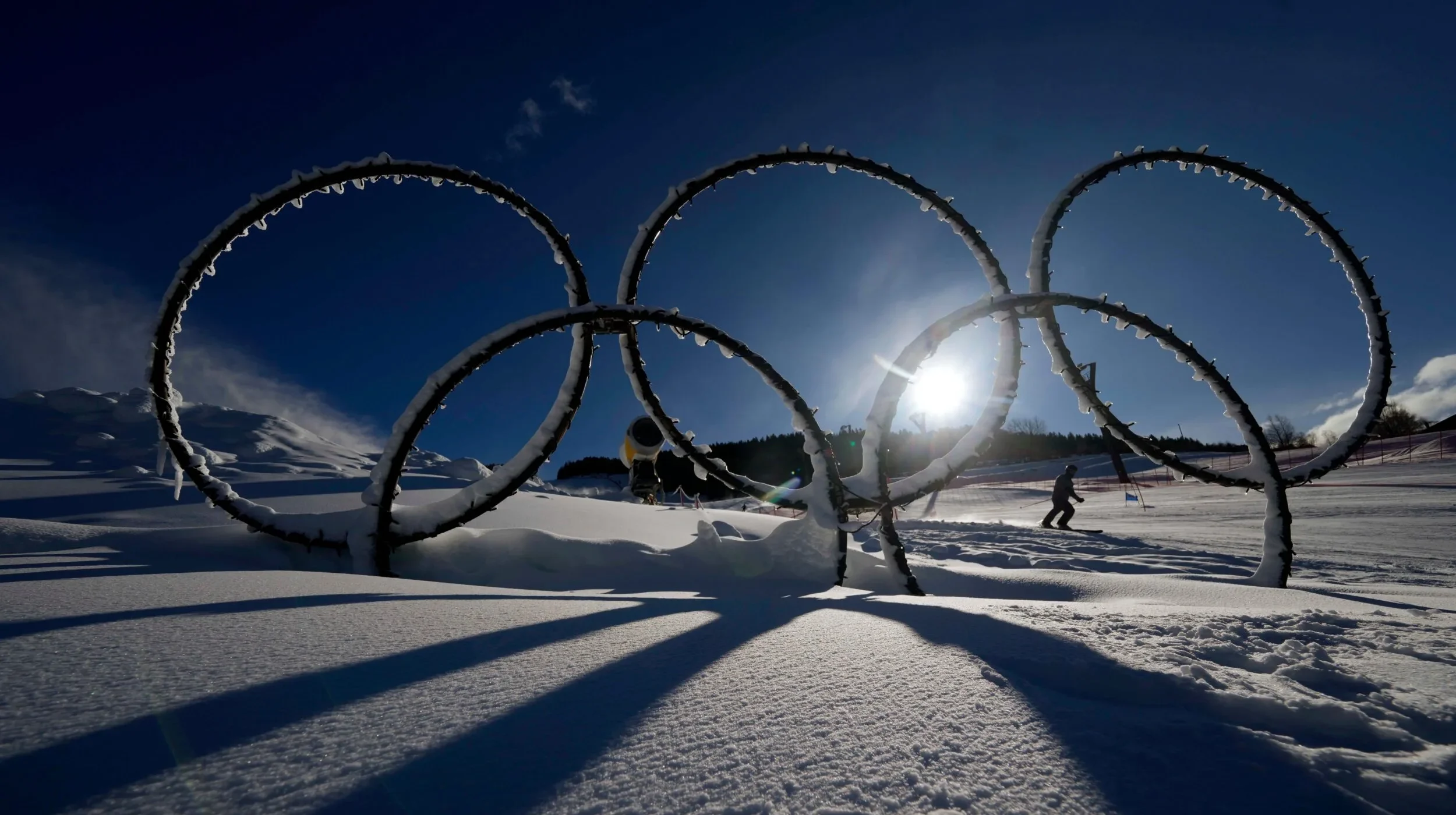
The Winter Olympics 2026 Controversies have at times captured as much global attention as the athletic achievements themselves. The Milan Cortina Winter Games, which officially kicked off on February 6, 2026, brought together more than 3,500 athletes from 93 nations to compete at the highest level of winter sport. From record breaking performances to emotional podium moments, the Games have delivered unforgettable highlights.
Yet alongside the triumphs, a wave of Winter Olympics Controversies has shaped headlines around the world. Issues ranging from personal confessions and disciplinary actions to allegations of misconduct and disputes over political expression have shifted focus beyond pure competition.
This article provides a professional and comprehensive look at the major developments surrounding the 2026 Milan Cortina Winter Olympics, examining how these controversies unfolded, their broader implications, and what they reveal about the evolving landscape of international sport.
The Stage: Milan Cortina 2026 and Rising Global Attention
The 2026 Winter Olympics were expected to symbolize unity, resilience, and sporting excellence. Hosted across Milan, Cortina d’Ampezzo, and surrounding Italian venues, the Games were widely praised for their organization and atmosphere.
Athletic highlights quickly emerged. American speedskater Jordan Stolz delivered a record-breaking performance in the men’s 1,000- meter event, reinforcing his position as one of the sport’s most dominant young talents. Biathletes, ski jumpers, figure skaters, and ice dancers all delivered compelling performances.
However, within days of competition beginning, media attention began to shift. The phrase Winter Olympics 2026 Controversies started trending across international outlets, as several incidents , both personal and institutional , unfolded in rapid succession.
Personal Confession on the Podium: Sturla Holm Lægreid
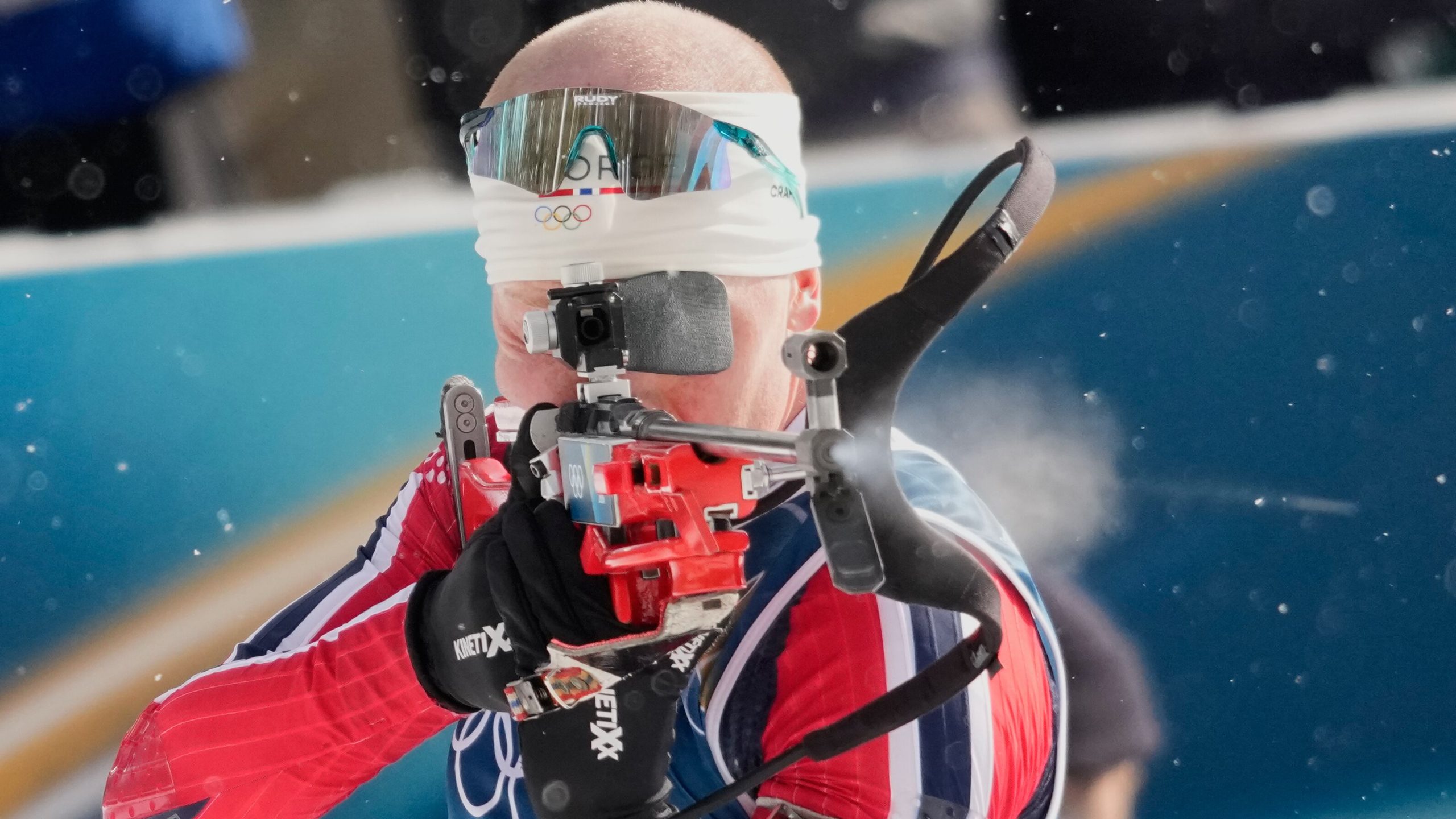
One of the most widely discussed Winter Olympics Controversies involved Norwegian biathlete Sturla Holm Lægreid.
After winning bronze in the men’s 20km biathlon on February 10, Lægreid used his live televised interview to publicly confess to having cheated on his former partner. He described the affair as “the biggest mistake of my life” and acknowledged the personal harm caused.
While the confession was not related to sport performance or Olympic regulations, it sparked significant public reaction. Critics questioned whether such deeply personal matters should be addressed in a global sporting broadcast. Supporters, on the other hand, viewed the admission as a demonstration of accountability and vulnerability.
The situation became more complex when his former partner, speaking anonymously to Norwegian media, expressed discomfort at being placed in a public spotlight. Lægreid later stated that he regretted discussing the matter in such a high profile setting.
This episode highlighted how modern Olympic athletes are no longer viewed solely through their athletic achievements. In the digital era, personal conduct and media narratives can rapidly become part of broader Winter Olympics 2026 Controversies.
Alcohol Policy Violation: Finnish Coach Sent Home
Another incident involved Finland’s ski jumping team. On February 12, Finnish coach Igor Medved was asked to leave the Games after violating team conduct policies related to alcohol use.
Team officials confirmed that the matter concerned internal behavioral standards. The coach publicly apologized, acknowledging his mistake and expressing regret toward athletes and fans.
While less dramatic than other headlines, the episode reinforced the strict code of conduct expected at the Olympic level. Coaches and officials, like athletes, are held to high professional standards. Such incidents, though not performance related, still contribute to the broader narrative of Winter Olympics Controversies.
Political Expression and Disqualification: The Helmet Dispute
One of the most serious Winter Olympics 2026 Controversies involved Ukrainian skeleton racer Vladyslav Heraskevych.
The International Olympic Committee (IOC) maintains a long standing policy prohibiting political demonstrations on the field of play. Heraskevych’s helmet reportedly featured imagery honoring Ukrainian athletes killed during Russia’s invasion of Ukraine.
The IOC ruled that the display violated its neutrality policy. The athlete was offered the option of wearing a black armband instead but declined. Ultimately, he was disqualified before competing.
The case reignited debate around Rule 50 of the Olympic Charter, which restricts political statements during competition. Supporters of the decision argue that the Olympic Games must remain politically neutral to preserve global unity. Critics contend that the line between humanitarian tribute and political messaging is increasingly difficult to define.
This incident became one of the defining Winter Olympics Controversies, illustrating the complex intersection of sport, geopolitics, and personal conviction.
Julia Simon: Redemption Amid Past Conviction
French biathlete Julia Simon’s gold medal victory brought renewed attention to a previous legal issue.
Months before the Games, Simon had faced a conviction related to credit card fraud involving unauthorized purchases made with bank cards belonging to her teammate and a federation staff member. She received a suspended prison sentence, a fine, and a temporary sporting ban.
By the time the Olympics began, her suspension had largely been lifted, allowing her to compete. Her gold medal victory marked a dramatic athletic comeback.
The resurfacing of her past conviction during the Games sparked discussion about rehabilitation, second chances, and accountability in elite sport. While her athletic performance met all eligibility requirements, public opinion remained divided.
This case exemplifies how Winter Olympics 2026 Controversies often involve broader ethical questions beyond competition itself.
Ice Dancing and Allegations from the Past
Gold medal winning ice dancers Laurence Fournier Beaudry and Guillaume Cizeron also found themselves navigating sensitive media attention.
Their Olympic campaign unfolded against the backdrop of prior allegations involving former skating partners. Past suspensions and accusations , though legally contested and, in some instances, overturned , resurfaced in media coverage.
While neither athlete faced direct disciplinary action at the Games, commentary surrounding prior events contributed to heightened scrutiny. Statements from individuals connected to past disputes further fueled discussion.
In many ways, this situation reflects a broader pattern seen across recent Olympic cycles: historical allegations and unresolved public narratives frequently re emerge during high-profile events. These dynamics contribute to the evolving list of Winter Olympics Controversies, even when current competition rules are not violated.
The “Crotch Filler” Rumor and Suit Manipulation Allegations
Perhaps the most unusual of the Winter Olympics 2026 Controversies involved rumors surrounding male ski jumpers.
In January 2026, reports circulated claiming that some athletes were injecting hyaluronic acid into their groin areas to expand their ski suits and improve aerodynamics. The allegation drew immediate global attention.
The International Ski and Snowboard Federation (FIS) stated that there was no evidence supporting the claim but confirmed readiness to investigate if necessary. Ultimately, the rumor was widely regarded as unfounded.
However, separate allegations concerning suit manipulation did result in suspensions for certain Norwegian officials and athletes for altering suit construction. These suspensions were set to take effect later in the year, allowing athletes to compete in the Olympics.
This sequence of rumor, investigation, and regulatory enforcement underscores how equipment regulations in technical sports remain highly sensitive. Even unproven claims can quickly escalate into global headlines during the Olympic spotlight.
The Broader Pattern: Why Winter Olympics Controversies Gain Momentum
The prominence of Winter Olympics Controversies in 2026 reflects broader shifts in sports media and global communication.
Several factors contribute to the rapid amplification of such incidents:
- 24 hour news cycles and instant social media reaction
- Heightened scrutiny of athlete conduct
- The blending of personal identity and professional performance
- Increased geopolitical tensions intersecting with sport
- Growing public demand for transparency and accountability
In past decades, certain incidents might have remained localized. Today, they become international discussions within hours.
Balancing Excellence and Imperfection
Despite the controversies, it is essential to remember that the 2026 Milan Cortina Winter Games have also delivered extraordinary athletic achievements.
From speed skating records to emotional team victories, the Games have showcased resilience, dedication, and sportsmanship. For many athletes, years of preparation culminated in career defining performances.
The coexistence of excellence and controversy is not unique to 2026. Olympic history has long included moments of triumph alongside institutional, ethical, or political disputes.
The current cycle of Winter Olympics 2026 Controversies highlights how modern sport operates within a complex global environment where personal conduct, social issues, and regulatory frameworks are closely intertwined.

Conclusion: The Legacy of the 2026 Winter Olympics
As the Milan Cortina Games continue, discussions around Winter Olympics Controversies remain active. Yet they form only one part of a much larger narrative.
The 2026 Winter Olympics represent both the pinnacle of athletic competition and a reflection of contemporary society. They remind us that athletes are not isolated from global realities , they are participants in a world shaped by politics, ethics, media scrutiny, and personal accountability.
Ultimately, the legacy of these Games will likely include both the gold medals and the debates. While controversy has at times dominated headlines, the core spirit of competition endures.
In examining the Winter Olympics 2026 Controversies, we gain insight not only into isolated incidents but into the evolving relationship between sport and society in the modern era.