
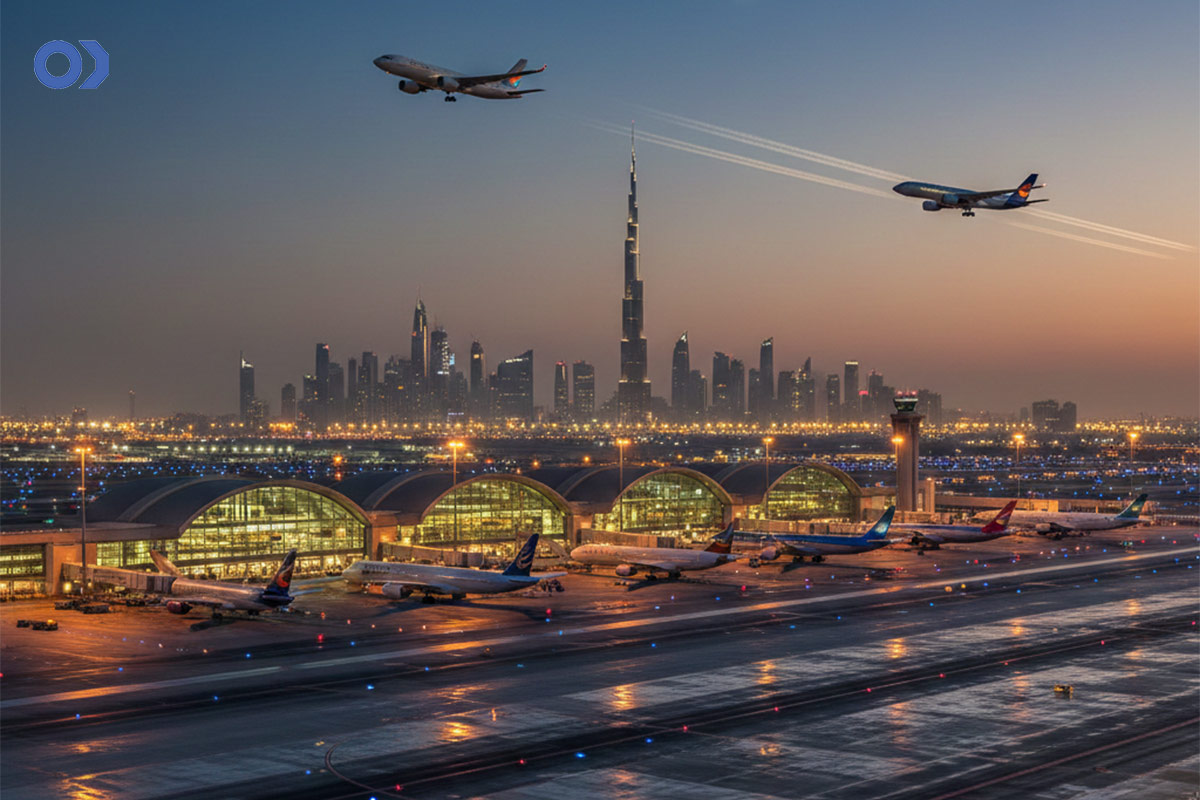
Over the past three decades, Dubai has transformed from a regional trading port into one of the world’s most strategically important transit and logistics hubs. Leveraging geography, infrastructure investment, and pro-business policies, the UAE now plays a pivotal role in global supply chains connecting Asia, Europe, and Africa. Transit and logistics are no longer supporting sectors in Dubai they are foundational pillars of the emirate’s economic model and long-term growth strategy.
UAE Global Ranking in Transit and Logistics
The UAE consistently ranks among the world’s leading logistics nations across multiple global indicators. According to the World Bank’s Logistics Performance Index (LPI), the UAE ranks among the top-performing countries globally and first in the Middle East. Dubai International Airport has remained one of the busiest international passenger hubs in the world for over a decade, reinforcing its importance in global connectivity. Jebel Ali Port is the largest port in the Middle East and among the top container ports worldwide. Complementing this, the World Economic Forum has repeatedly ranked the UAE among the top countries globally for infrastructure quality. These positions reflect decades of coordinated investment rather than temporary growth cycles.
Strategic Infrastructure Driving Dubai’s Transit Power
Dubai’s transit strength is anchored in a deeply integrated infrastructure system that connects ports, airports, free zones, and logistics corridors into a unified economic engine.
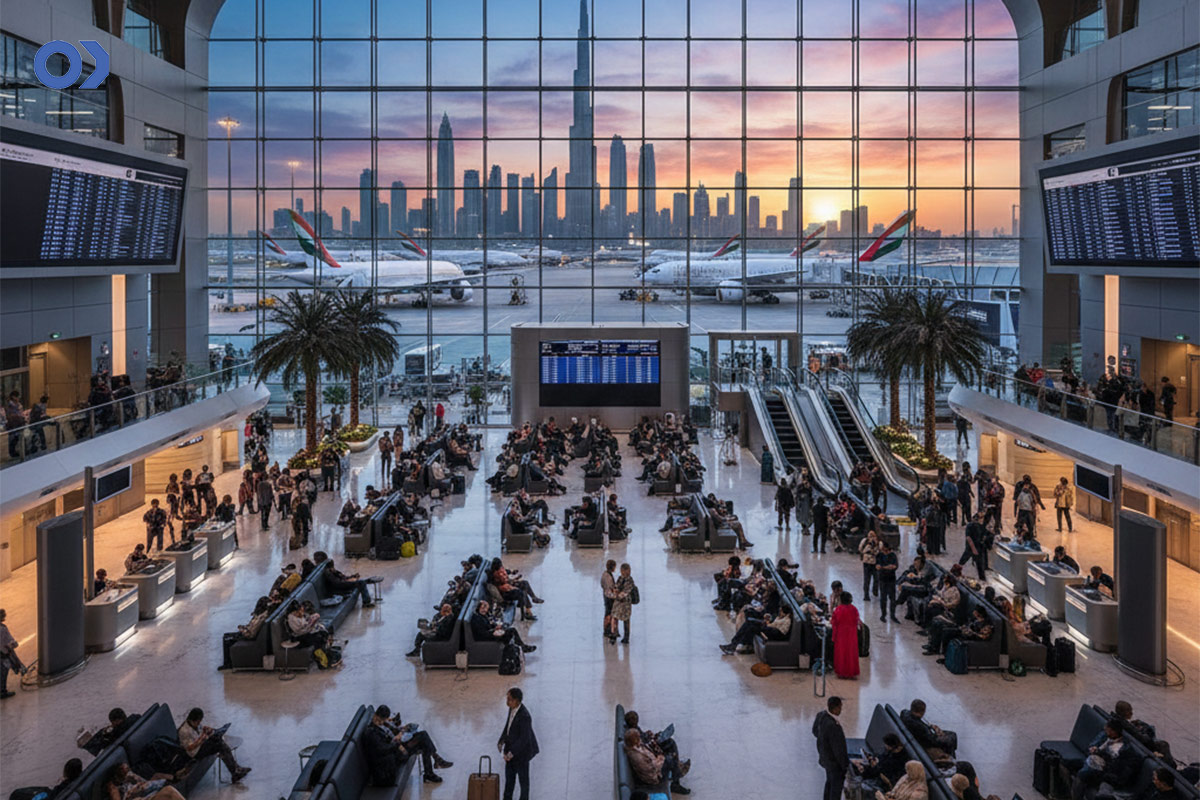
Ports and Maritime Logistics
At the center of Dubai’s maritime ecosystem is Jebel Ali Port, operated by DP World. Integrated with JAFZA (Jebel Ali Free Zone), the port connects directly to more than 150 global ports and maintains one of the highest container-handling capacities worldwide. It functions not only as an import gateway but as a strategic re-export platform serving the GCC, Africa, and South Asia. This integration between port operations and industrial free zones creates structural efficiency rather than just volume advantage.
Aviation and Air Cargo
Dubai’s aviation logistics dominance is built on Dubai International Airport (DXB), Al Maktoum International Airport (DWC), and the Emirates SkyCargo global network. The long-term plan for Al Maktoum Airport is to become the largest airport in the world by cargo capacity. The integration between sea and air corridors enables rapid multimodal transitions, significantly reducing logistics time and cost for global operators.
Free Zones and Multimodal Connectivity
Dubai hosts more than 40 specialized free zones designed to attract international companies and regional distribution headquarters. These zones offer regulatory clarity and operational efficiency, while seamless integration between sea, air, and land transport strengthens Dubai’s role as a global redistribution hub. The combination of ownership flexibility, customs efficiency, and logistical connectivity is a core competitive advantage.
Economic Impact on Trade and Businesses
Transit and logistics influence nearly every sector of Dubai’s economy, extending far beyond transportation itself.
Dubai functions as a global re-export hub, redistributing imported goods across:
• Middle East
• Africa
• Central Asia
• South Asia
This re-export model multiplies economic activity beyond domestic demand and amplifies trade flows across multiple regions.
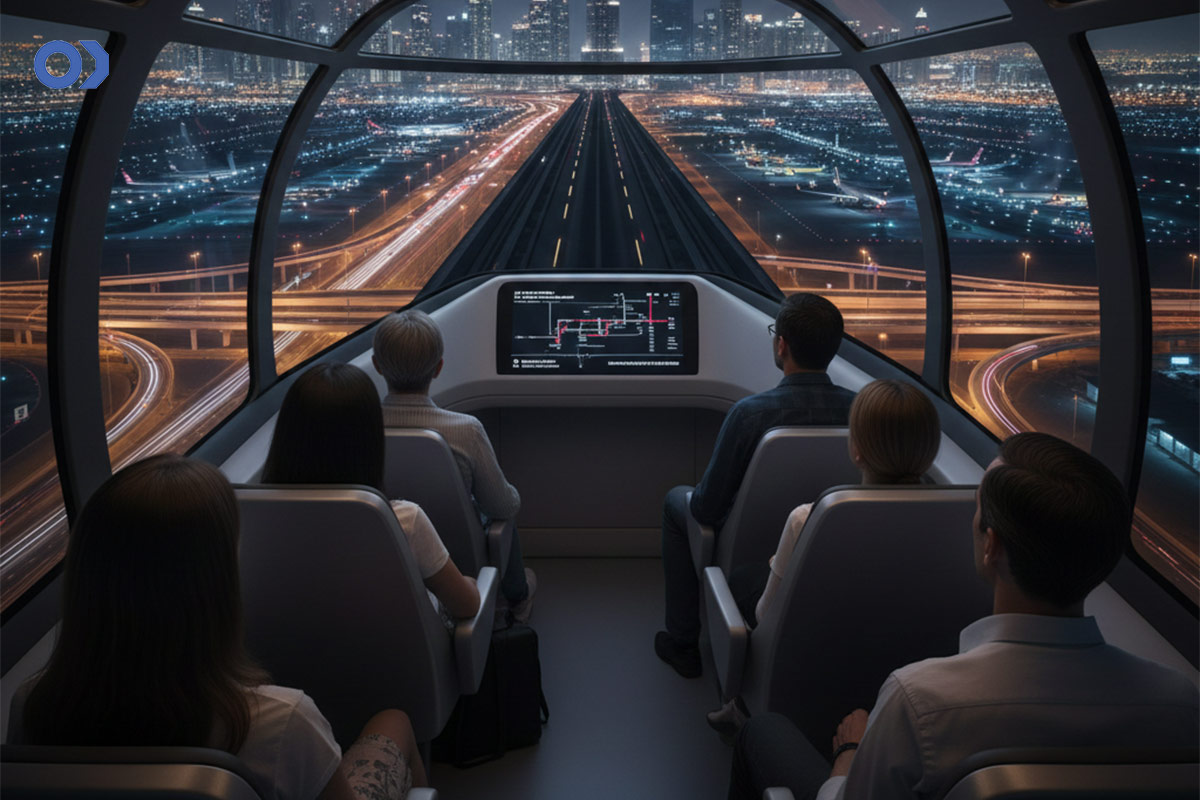
The logistics ecosystem also supports transportation companies, warehousing firms, freight forwarders, e-commerce distributors, and supply chain technology providers. Hundreds of thousands of jobs are directly or indirectly linked to transit-related activities, creating broad economic spillovers.
For entrepreneurs and businesses, the transit industry generates opportunity layers in trade financing, import-export operations, logistics technology, brokerage services, and industrial distribution. As the sector becomes increasingly digitized, automation platforms and AI-driven supply chain systems are expanding the role of technology within logistics operations.
Population Growth and Demand Dynamics
Dubai’s projected population growth over the next decade is driven by skilled immigration, investor residency programs, corporate relocations, and multinational headquarters expansion. As population increases, consumer demand, import volumes, infrastructure utilization, and last-mile delivery requirements also rise. This creates a reinforcing cycle where demographic expansion strengthens logistics demand, and logistics efficiency strengthens Dubai’s global competitiveness.
10-Year Forecast: Dubai Transit Industry to 2035
Several structural drivers suggest continued expansion over the next decade. These include the expansion of Al Maktoum International Airport, rapid growth of e-commerce in the Middle East and Africa, the China Belt and Road Initiative, the India–Middle East–Europe Economic Corridor (IMEC), and the UAE’s economic diversification strategy.
By 2035, Dubai is likely to remain one of the leading transit hubs between Asia and Europe. Cargo volumes are expected to increase significantly, automation across ports and warehouses will intensify, and demand for logistics real estate and industrial zones will rise. Regional headquarters relocations to the UAE are also expected to accelerate.
Impact on Residents and Business Owners
Transit growth has tangible effects on both residents and business operators in Dubai.
Positive effects include:
• More job opportunities
• Higher economic stability
• Increased cross-sector business demand
• Growth in logistics and industrial real estate
Potential challenges may include infrastructure pressure, rising living costs, increased competition for skilled labor, and environmental sustainability concerns. However, strong government planning capacity and centralized infrastructure strategy reduce long-term systemic risk.
Strategic Conclusion
Dubai’s success in transit is not accidental. It reflects long-term strategic planning, sustained infrastructure investment, and consistently business-friendly policies. Over the next decade, transit will continue to serve as one of the most powerful engines of Dubai’s economy, reinforcing its position as a global gateway city between continents. For investors, entrepreneurs, and professionals, understanding this sector is essential because transit growth translates directly into opportunity across trade, technology, finance, and real estate.